Pouso Alegre City Council Debates Penalties for Councilors Leaving Sessions Early
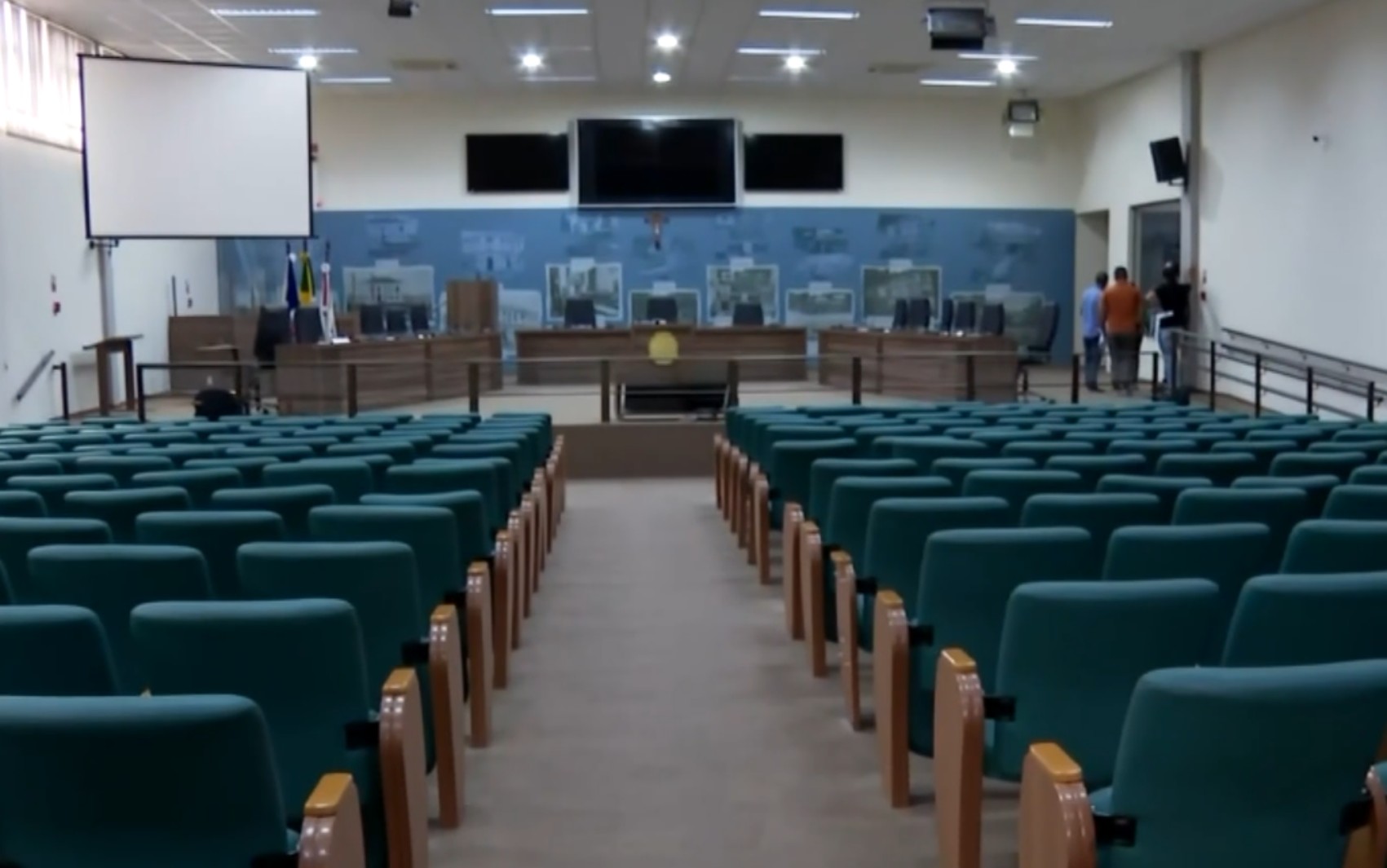
The Pouso Alegre City Council in Minas Gerais, Brazil, is considering new rules to penalize councilors who leave the plenary session before its conclusion. This discussion arose after only seven of the fifteen councilors remained in the plenary during the final moments of a session held on Tuesday, November 7th. While the municipality's Organic Law mandates salary deductions for unexcused absences from a session, it does not currently cover councilors who are physically present at the City Hall but not in the plenary chamber where debates and votes occur. Council President Oliveira Altair Amaral (Republicanos) addressed the issue, stating that while no current law penalizes this specific behavior, a project is under review to regulate it within the council's rules of procedure. Amaral emphasized that it is the duty of a councilor to remain present until the end of a session to participate in voting on executive projects, budgetary matters, and public works, as well as to listen to constituents' demands and colleagues' input. The council's legal department is examining the proposed changes, which could be implemented through an amendment or a new project, with the aim of ensuring councilors' continued presence and engagement. The president indicated that he would take further action if councilors continue to leave before the session's end.
The Pouso Alegre City Council's deliberation on penalizing early departures from plenary sessions highlights a common governance challenge: ensuring legislator accountability and engagement. The proposed regulatory amendment aims to strengthen parliamentary discipline by addressing a loophole where physical presence at the building does not equate to active participation in legislative proceedings. This move reflects an effort to enhance the perceived legitimacy and efficiency of local governance by fostering a more consistent presence during crucial debates and votes. The council's consideration of this issue, particularly in the context of upcoming budgetary and project discussions, suggests a proactive approach to legislative functioning, seeking to align conduct with the expected duties of elected officials in a democratic system. The focus on procedural rules and potential amendments indicates a commitment to resolving this through established legislative mechanisms rather than ad hoc measures.
AI-generated to prompt reflection — not editorial opinion, not advice, not a statement of fact. How this works.