Power Company Cemig Ordered to Compensate Customer for $37,000 Billing Error
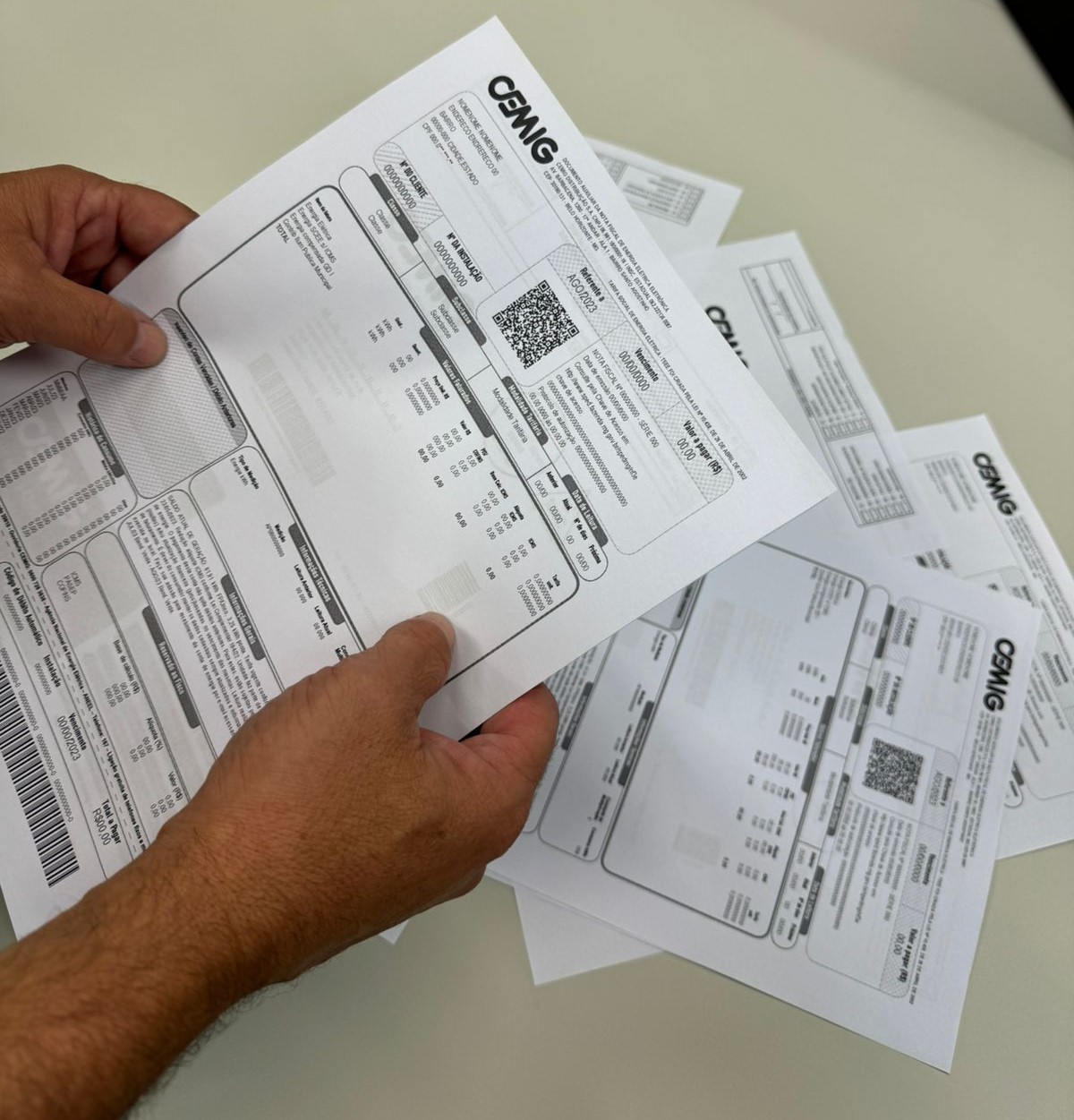
A resident of Dores do Indaiá, Minas Gerais, who had R$ 37,400 erroneously debited from his bank account due to a faulty electricity bill, will be compensated by the energy company Cemig. The Minas Gerais Court of Justice (TJMG) upheld the company's condemnation, requiring Cemig to refund the R$ 37,400 and pay R$ 10,000 for moral damages. The consumer, who typically paid around R$ 25 monthly for electricity, received a bill for R$ 37,437.64 after a system error registered an unusually high consumption of 64,052 kWh for April, with zero consumption recorded for May. This concentrated the entire usage into a single invoice, triggering the automatic debit from his account. The consumer sought double the amount debited and an increased compensation, arguing that a R$ 37,000 credit offered by Cemig would take approximately 125 years to be used based on his average monthly usage. Cemig acknowledged a technical fault in billing but denied bad faith, stating the error occurred without malicious intent and that the credit had already been provided. The TJMG, while maintaining the refund and moral damages, rejected the request for double the amount, as proof of deliberate malice was not established. Cemig has stated it respects and complies with judicial decisions, has corrected the billing, and provided the full credit to the consumer.
This case highlights the critical need for robust error-checking mechanisms within automated billing systems, especially when dealing with large sums and sensitive financial transactions. The systemic failure to prevent an anomalous consumption reading from triggering a massive, erroneous debit demonstrates a gap in operational safeguards. While the company acknowledged a technical fault, the incident underscores the potential for significant financial and psychological distress to consumers when such errors occur. The court's decision to award compensation reflects the principle that utility providers bear a responsibility to ensure the accuracy of their billing processes and to mitigate the impact of system failures on their customers. Future considerations for energy companies should include implementing advanced AI-driven anomaly detection for consumption data and establishing more responsive customer remediation protocols to prevent prolonged customer hardship.
AI-generated to prompt reflection — not editorial opinion, not advice, not a statement of fact. How this works.