Power outage downs traffic lights, causing major delays in Campo Grande
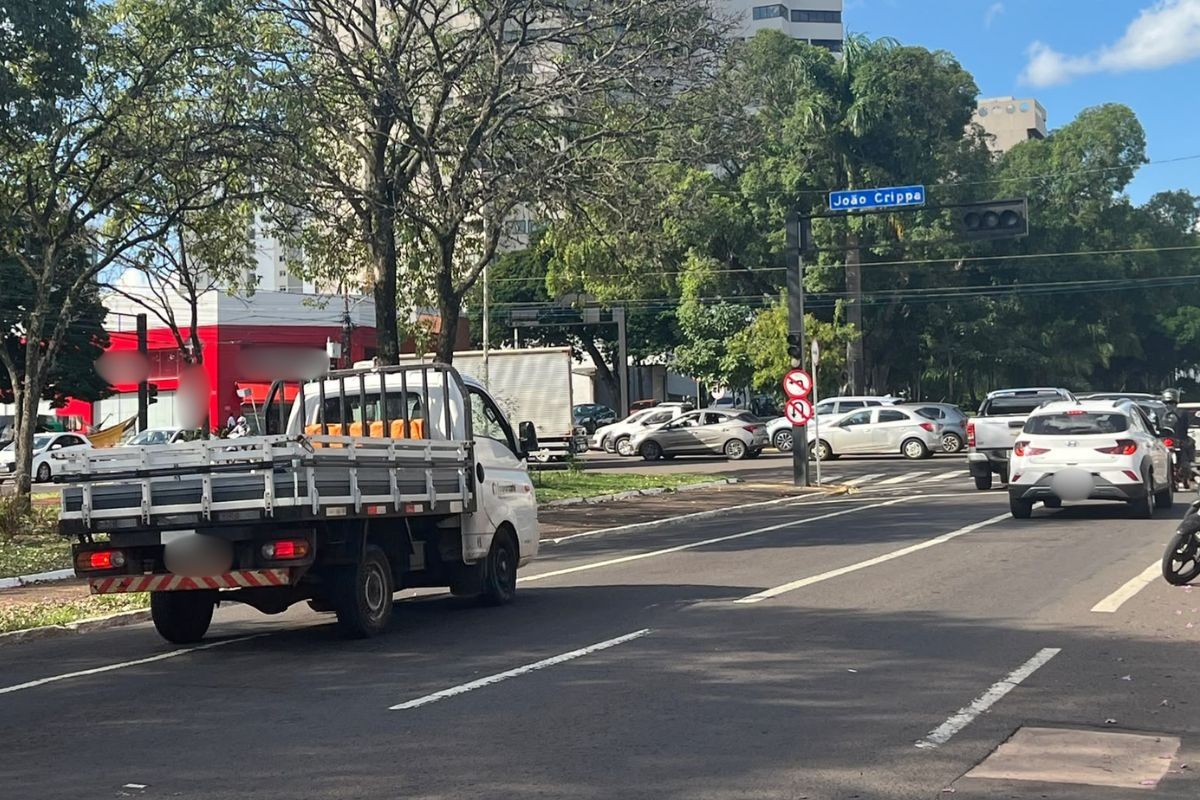
A widespread power outage on Wednesday afternoon, November 29th, caused numerous traffic lights to fail in the central region of Campo Grande, Brazil. This malfunction led to significant traffic congestion at key intersections, including Avenida Afonso Pena with Pedro Celestino Street and Rio Grande do Sul Street. The issue also impacted Joaquim Murtinho Street and the entirety of Bahia Street. As of the report, no traffic agents from the Municipal Agency for Transport and Transit (Agetran) were present to direct traffic. The failure of the traffic signals resulted in slow-moving vehicles and, in some areas, near-complete gridlock. Agetran stated that the traffic light malfunction was due to a lack of electricity in the affected area. Energisa, the energy provider, is investigating the cause of the power interruption and is working to restore service. Drivers in the area are advised to exercise extreme caution and consider alternative routes until the problem is resolved. There is currently no estimated time for the restoration of the traffic lights.
This incident highlights the critical dependency of urban traffic management systems on reliable electrical infrastructure. The failure of traffic signals due to a power outage underscores the vulnerability of modern city planning to disruptions in essential services. It prompts consideration of redundant power solutions for traffic control systems and the strategic deployment of human resources during such outages. The investigation into the power interruption's cause by Energisa is a standard procedural step, but the incident raises questions about grid resilience and the potential for cascading failures in interconnected urban systems. Looking ahead, the integration of smart city technologies must be balanced with robust contingency planning to mitigate the impact of unforeseen infrastructure failures.
AI-generated to prompt reflection — not editorial opinion, not advice, not a statement of fact. How this works.