Power Outage Hits 20,000 Homes in Rosenheim Due to Defective Component
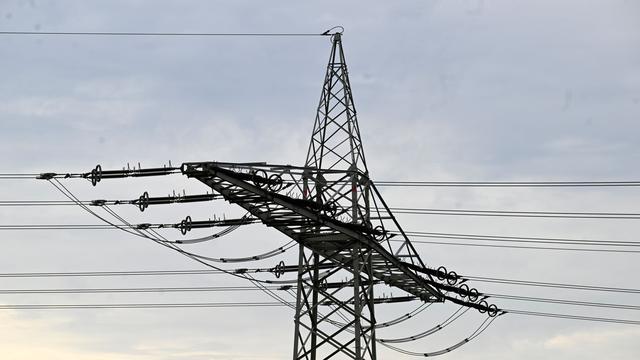
Approximately 20,000 households in Rosenheim experienced a power outage lasting nearly half an hour. The disruption was caused by a defect in a critical component of the local power supply infrastructure. The outage began on [Date, if available, otherwise omit or state 'recently'] and affected a significant portion of the city's residential areas. Energy provider [Provider Name, if available] confirmed the issue and dispatched repair teams immediately to address the faulty component. Efforts were focused on restoring power as quickly as possible to minimize inconvenience for the affected residents. The swift response aimed to prevent prolonged disruption and ensure the stability of the power grid. The exact nature of the defective component was not immediately disclosed, but it was deemed essential for maintaining consistent electricity supply. This incident highlights the importance of robust infrastructure maintenance and rapid response protocols for utility providers. Further details regarding the cause of the defect and preventative measures will likely be investigated.
This power outage in Rosenheim, affecting 20,000 households due to a component failure, underscores the inherent vulnerabilities in centralized energy distribution systems. While the rapid restoration of service is a testament to the utility's response capabilities, the incident prompts consideration of grid resilience in the face of aging infrastructure and potential single points of failure. As societies increasingly rely on uninterrupted power for critical services and digital infrastructure, the economic and social costs of such disruptions, even short ones, are magnified. Future energy strategies may need to prioritize decentralized solutions, predictive maintenance powered by AI, and redundant systems to mitigate risks associated with component failures and ensure energy security in the coming decade.
AI-generated to prompt reflection — not editorial opinion, not advice, not a statement of fact. How this works.