Power Outage in Aracaju After Pole Catches Fire Due to Cable Theft
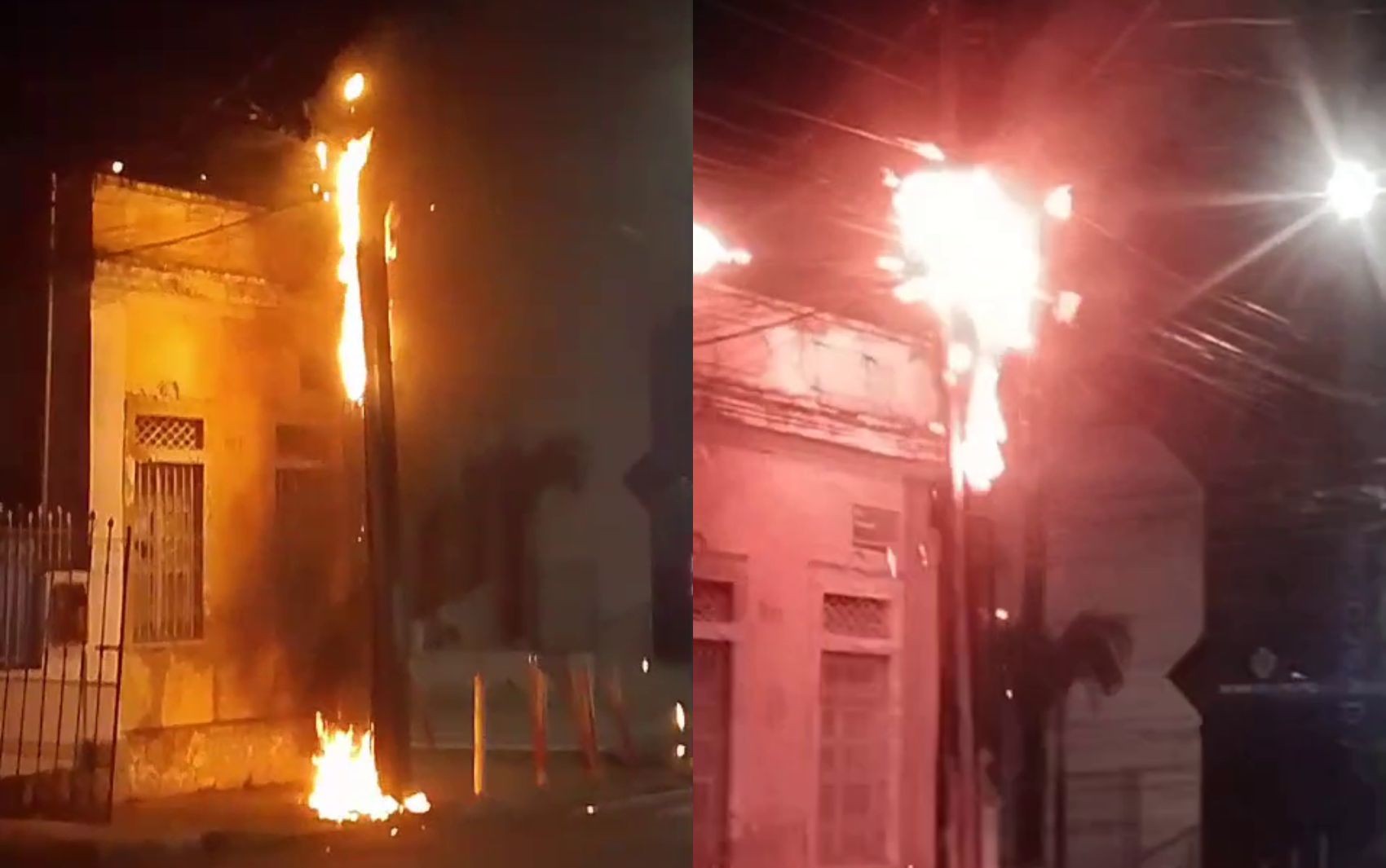
A power pole caught fire early Tuesday morning, May 7th, at the intersection of Riachuelo and Santa Luzia streets in the São José neighborhood of Aracaju, Brazil. The incident disrupted the energy supply for 61 customers. According to Energisa, the power company, the fire was caused by the theft of cables. Teams from Energisa and the Fire Department responded to the scene, and the power service has since been fully restored. Energisa issued a warning that unauthorized tampering with the electrical grid is not only a crime but also poses a severe safety risk to the public. Such actions can lead to electric shocks and fatal accidents. The company emphasized that only authorized professionals are permitted to work on the electrical system. This incident highlights the dangers associated with illegal interference with critical infrastructure.
The incident in Aracaju, where cable theft led to a power pole fire and service disruption for 61 customers, underscores the systemic vulnerabilities inherent in critical infrastructure. The act of theft, driven by immediate economic incentives for illicit actors, creates cascading negative externalities, including public safety risks and essential service interruptions. Energisa's response, involving swift restoration and public safety warnings, addresses the immediate fallout. However, the recurring nature of such incidents suggests a need for more robust security measures and potentially a broader societal dialogue on the root causes of infrastructure crime, such as poverty and lack of opportunity. Looking ahead, the increasing reliance on interconnected power grids, especially with the advent of smart grid technologies and the demand for uninterrupted power for digital services, amplifies the impact of such disruptions. Future strategies may need to balance the cost of enhanced security with the imperative of maintaining reliable and safe energy distribution.
AI-generated to prompt reflection — not editorial opinion, not advice, not a statement of fact. How this works.