Power Outages Spark Protests Across Rio de Janeiro After Severe Storm
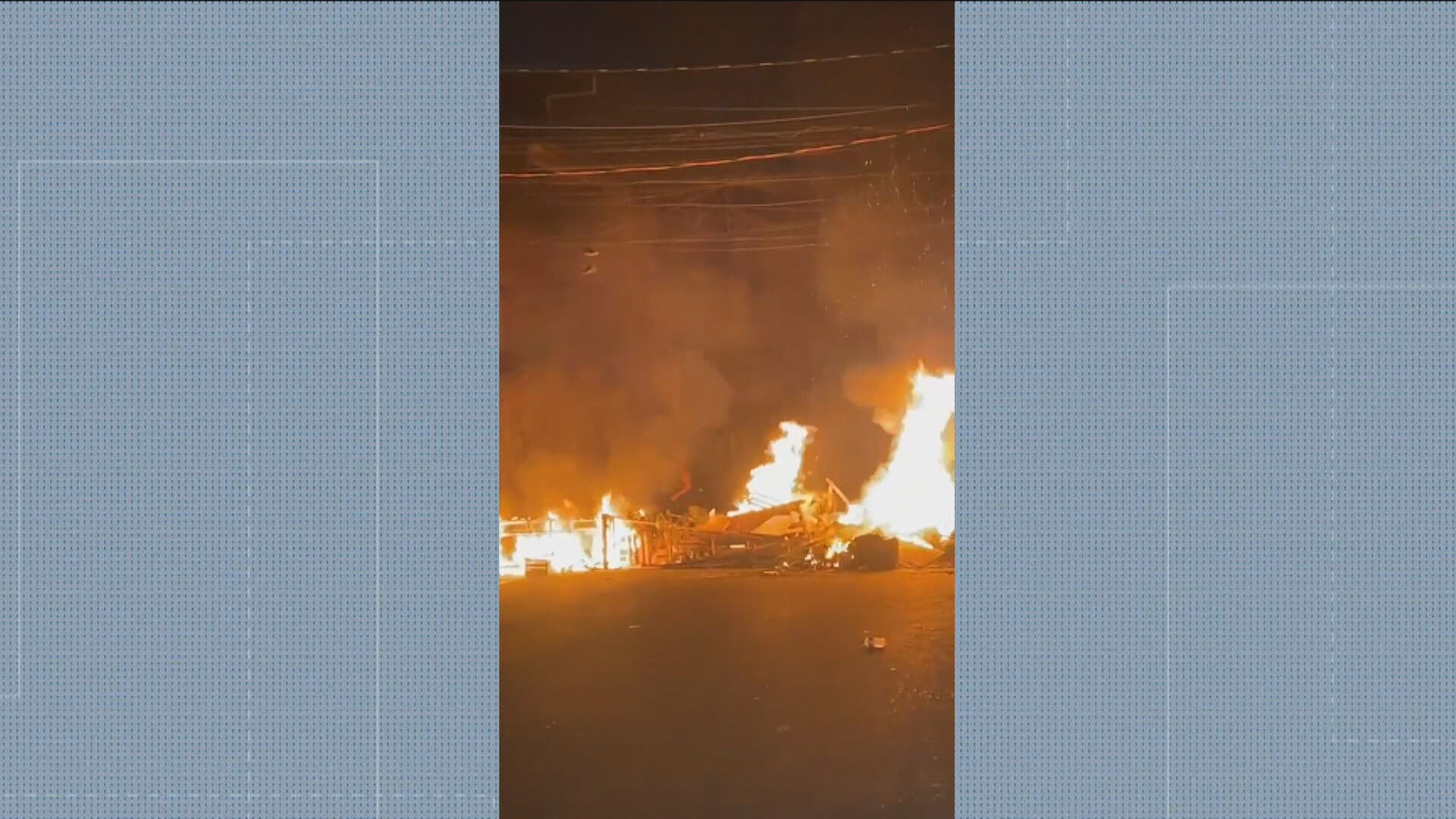
Nearly 40 hours after a powerful windstorm struck Rio de Janeiro on Wednesday, November 29th, thousands of residents in the capital and its metropolitan region are still without electricity. As of Friday morning, November 21st, 156,000 customers of Light and Enel remained without power. The prolonged outage has triggered widespread protests, including road blockades, burning barricades, and police intervention. The storm, which brought winds of up to 105.5 km/h at Galeão International Airport, caused two fatalities in Santa Teresa due to a wall collapse, downed over 260 trees in the capital, and disrupted various transportation services. Initially, over 1 million properties lost electricity. Despite improving weather conditions, utility crews from Light and Enel are working to restore service. Protests have occurred in multiple neighborhoods, such as Bela Vista and Sepetiba in the West Zone, where residents set fires and blocked roads. Similar demonstrations took place in Santa Cruz, Guaratiba, Campo Grande, and Santa Teresa, with residents expressing frustration over the extended lack of power. The Baixada Fluminense region also saw protests in Duque de Caxias, Xerém, Nova Iguaçu, and Queimados. In Niterói, residents blocked streets in neighborhoods like Atalaia and São Francisco. Both Enel and Light attribute the restoration delays to the extensive damage caused by the intense winds to trees, poles, and electrical infrastructure. Enel reported that 95% of affected properties have had power restored, with approximately 32,000 customers still without service.
The severe windstorm and subsequent prolonged power outages in Rio de Janeiro highlight critical infrastructure vulnerabilities and the societal impact of climate-related events. The widespread protests underscore a breakdown in communication and service restoration expectations between utility providers and the public. While utility companies cite extensive damage, the scale of disruption and resident frustration suggest potential systemic issues in emergency preparedness, grid resilience, and the speed of response to catastrophic events. Future planning must consider more robust infrastructure, diversified energy sources, and improved public communication strategies to mitigate such crises and maintain social order during prolonged service interruptions.
AI-generated to prompt reflection — not editorial opinion, not advice, not a statement of fact. How this works.