Power Outages Surge Due to Kite Strings with "Cerol" on São Paulo Coast
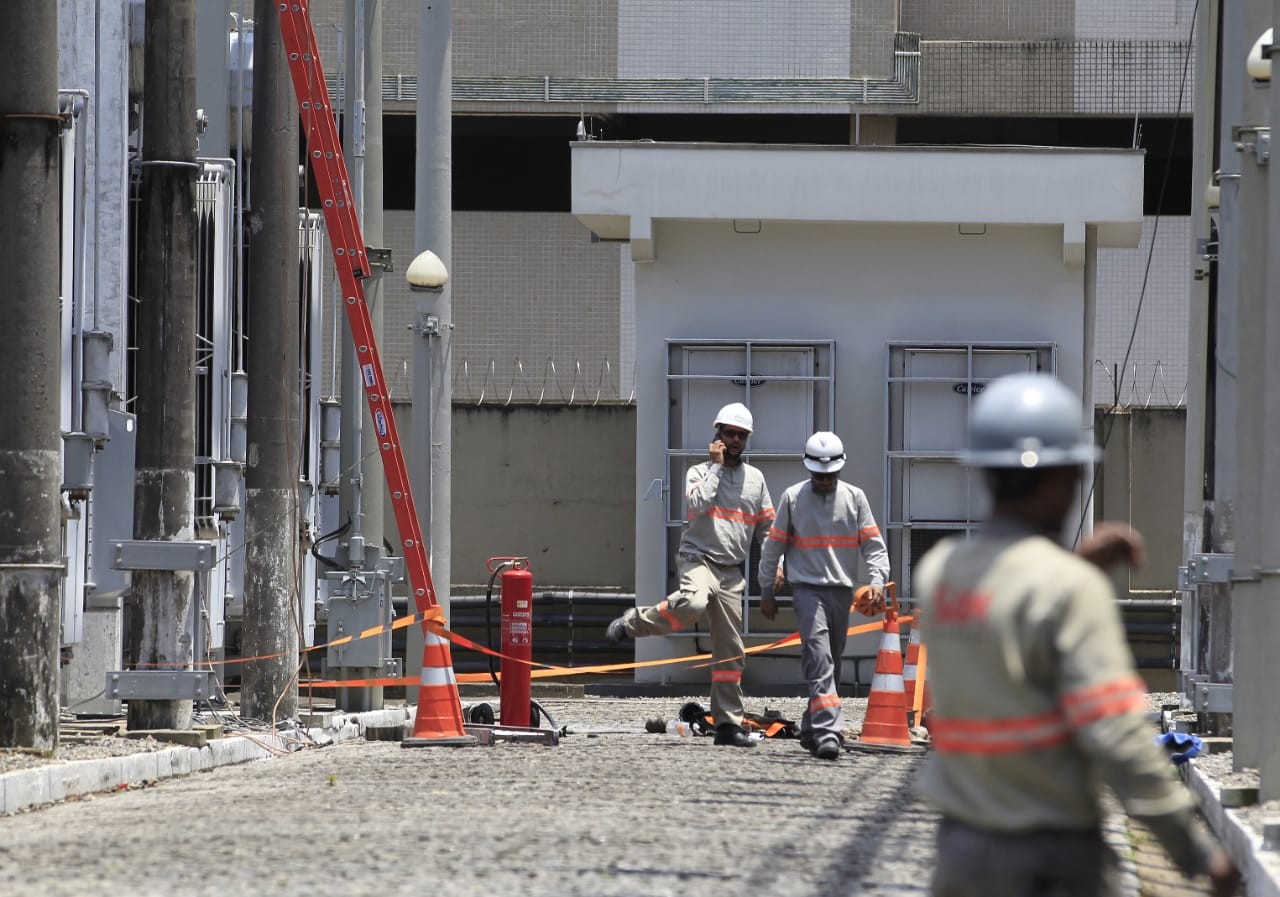
The supply of electricity has been interrupted more frequently due to kite strings coated with "cerol," a mixture of glass powder and glue, along the coast of São Paulo. CPFL Piratininga, an energy distributor, reported a significant increase in these incidents across São Vicente, Praia Grande, and Santos during the first five months of 2026. A total of 387 occurrences were recorded, with São Vicente experiencing a dramatic 101% rise in cases, from 127 to 255. Praia Grande saw a 5% increase, going from 105 to 110 incidents, while Santos registered a slight decrease of 4%, with 23 occurrences dropping to 22. This surge in dangerous kite flying practices tragically coincided with the death of 21-year-old motorcyclist Matheus da Silva Evangelista in São Vicente. He died after being struck by a "cerol"-coated kite string on the Rodovia dos Imigrantes, causing him to lose control of his motorcycle. Police discovered the hazardous string stretched across the roadway, and the incident is being investigated as a homicide. CPFL Piratininga is reminding the public that State Law nº 17.201/2019 prohibits the use of "cerol" or similar cutting lines in São Paulo. The company advises against flying kites near power lines and substations, warns against using cutting lines, and urges people not to attempt to retrieve kites entangled in the electrical grid.
The rise in power outages attributed to "cerol"-coated kite strings highlights a persistent public safety challenge stemming from the misuse of recreational activities. This phenomenon underscores a systemic gap in enforcement and public awareness regarding dangerous practices, even when explicitly prohibited by law. The tragic fatality serves as a stark reminder of the severe consequences, extending beyond infrastructure damage to direct threats to human life. Future considerations should involve exploring more effective public education campaigns, potentially leveraging technology for real-time monitoring or warnings in high-risk areas, and examining the socio-economic factors that may contribute to the continued use of such hazardous materials. Addressing this issue requires a multi-faceted approach that balances recreational freedom with the imperative of public safety and infrastructure integrity.
AI-generated to prompt reflection — not editorial opinion, not advice, not a statement of fact. How this works.