Power Restored in Western Cuba Following Grid Collapse
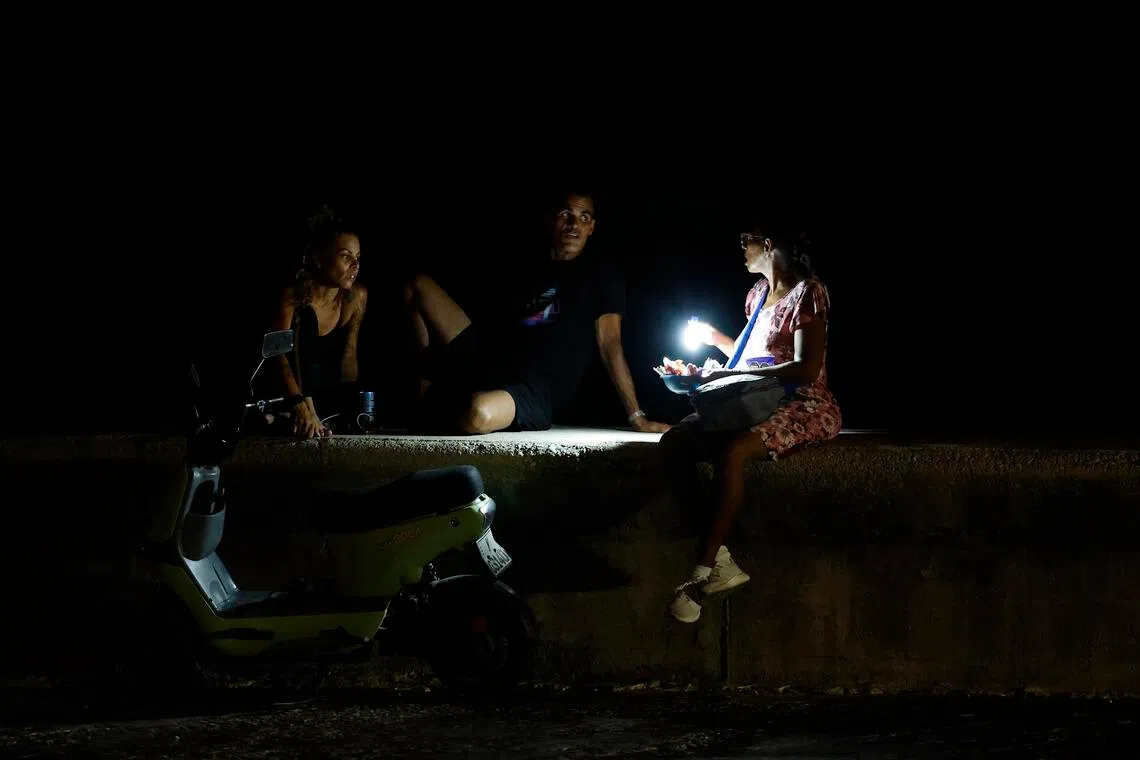
Electricity has been restored to western Cuba after a significant grid failure plunged the region into darkness. The outage occurred amidst Cuba's most severe economic crisis in decades, a situation exacerbated by a United States fuel blockade. The exact cause of the grid failure is still under investigation, but it has highlighted the fragility of the island's aging infrastructure. This incident has further strained the resources of a nation already struggling with widespread shortages of food, medicine, and fuel. The government has been working to repair the damage and stabilize the power supply, but the economic backdrop presents significant challenges to swift and comprehensive recovery efforts. Residents in the affected western provinces experienced disruptions to daily life, including communication, transportation, and essential services.
The power grid failure in western Cuba underscores the vulnerability of critical infrastructure in nations facing severe economic constraints and external pressures. The interplay between domestic economic challenges and international sanctions, such as the US fuel blockade, creates a complex environment where maintaining essential services becomes increasingly difficult. This event serves as a case study in the systemic risks associated with underinvestment in infrastructure, particularly when coupled with geopolitical factors that limit access to resources for maintenance and upgrades. Future resilience will likely depend on diversified energy sources, modernized infrastructure, and a stable economic framework that can withstand external shocks and facilitate necessary capital investment.
AI-generated to prompt reflection — not editorial opinion, not advice, not a statement of fact. How this works.