Power Struggles Erupt Within the Taliban in Northern Afghanistan
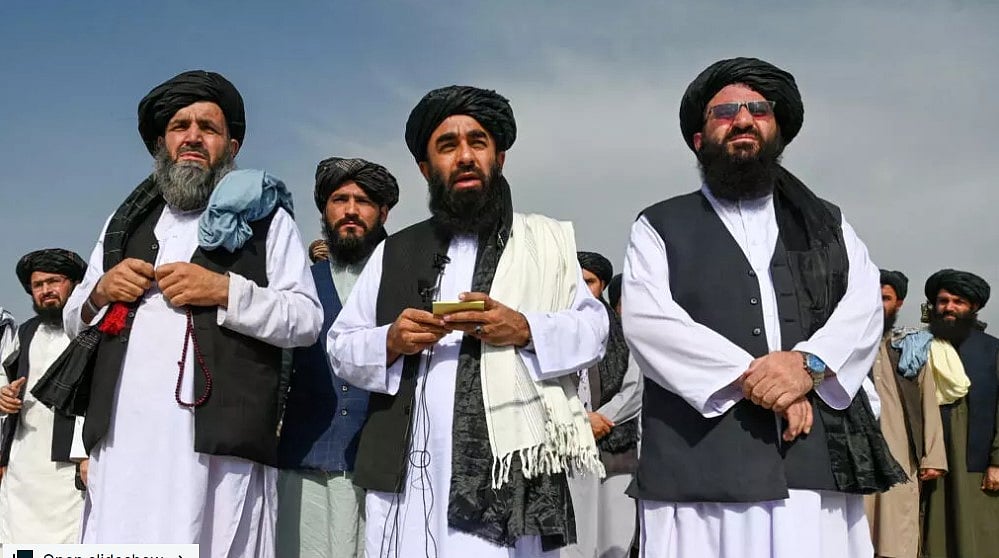
The Taliban had appointed Tajik and Uzbek commanders to expand their influence in northern Afghanistan, recognizing their ability to mobilize local populations. However, following the Taliban's seizure of power in August 2021, many of these commanders have faced severe repercussions. A significant number have been arrested, demoted, or disarmed. Furthermore, many have been forced to leave their areas of operation. This internal crackdown suggests a consolidation of power by the central leadership, potentially alienating ethnic minority groups who were instrumental in the Taliban's initial territorial gains.
The reported internal purges of ethnic minority commanders in northern Afghanistan highlight a potential tension between the Taliban's need for local support and its desire for centralized control. This dynamic may reflect a broader challenge for the group in balancing diverse internal factions and maintaining cohesion across different regions. The long-term implications could involve reduced operational effectiveness in areas reliant on these commanders and potential for increased dissent or instability if grievances are not addressed through established governance or reconciliation mechanisms.
AI-generated to prompt reflection — not editorial opinion, not advice, not a statement of fact. How this works.