PP's Stance on France Deal Undermines Public Trust
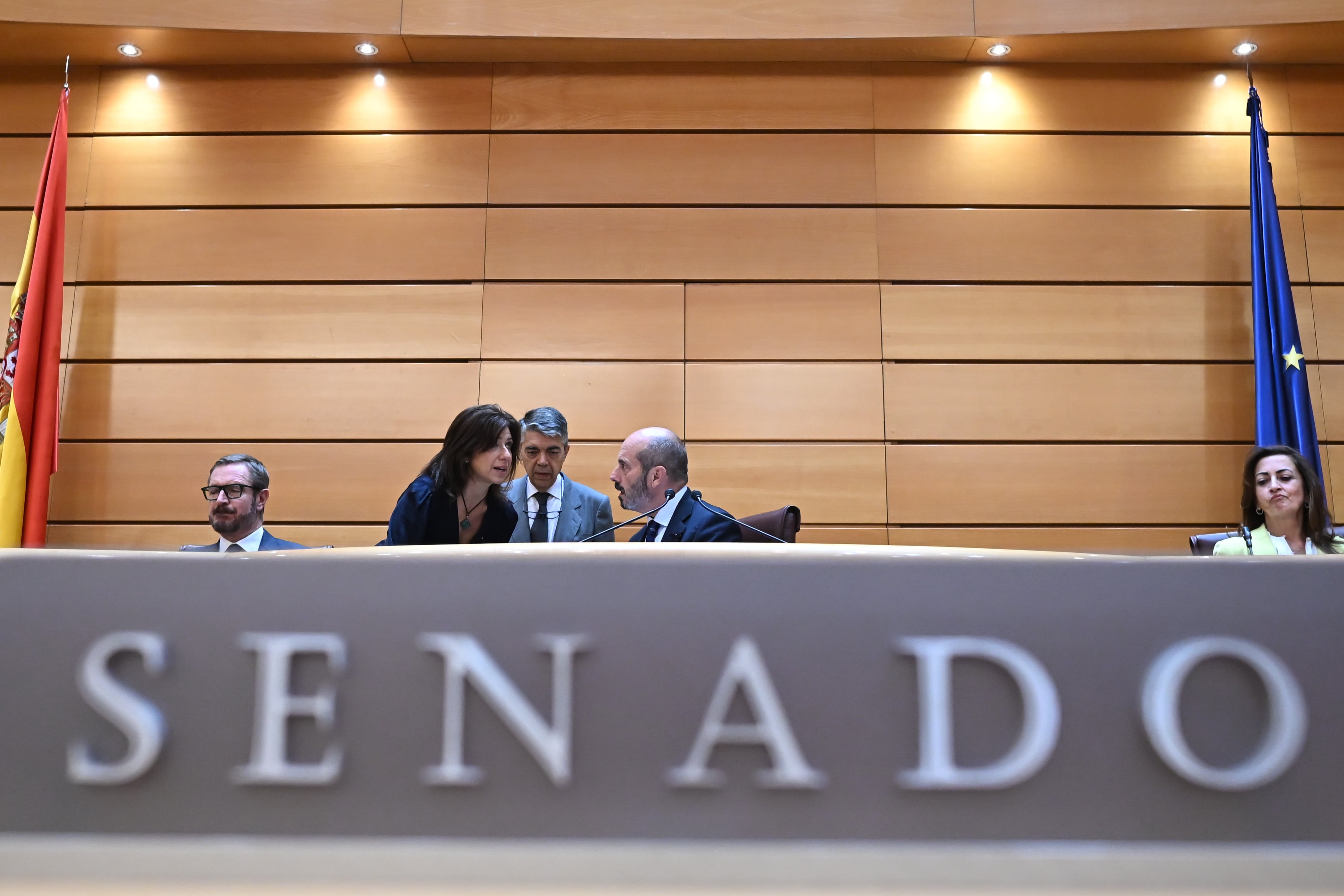
The article criticizes the Popular Party (PP) for its handling of a crucial agreement with France. The author suggests that the PP's failure to secure this deal is a clear indication that the party is either unwilling or unable to earn the public's confidence. This ongoing issue is presented as further evidence of a persistent problem within the PP's political strategy and its relationship with the electorate. The headline, "A kick to the Government in everyone's ass," strongly conveys the author's frustration and the perceived negative impact of the PP's actions on the general populace. The piece implies that this specific instance is not an isolated incident but rather part of a larger pattern of behavior that erodes trust in the government. The author believes that the PP's approach to such significant agreements is detrimental to its credibility and its ability to govern effectively. The piece calls into question the PP's competence and commitment to public service, suggesting a disconnect between the party's actions and the needs or expectations of the people it represents. Ultimately, the article argues that the PP's inability to finalize the agreement with France is a self-inflicted wound that damages its standing with the citizens.
The article frames the PP's actions regarding the French agreement as a deliberate or negligent act that alienates the public. From a governance perspective, the inability to finalize international agreements can stem from various factors, including differing national interests, complex regulatory hurdles, or internal political opposition. The analysis of such events should consider the incentive structures driving political parties, such as the need to appeal to specific voter bases or to leverage issues for political gain. Evaluating the long-term consequences, a pattern of failed negotiations could indicate systemic weaknesses in diplomatic capacity or strategic planning, potentially impacting national interests and international relations. The focus should be on understanding the underlying causes and their implications for future policy-making and public trust, rather than assigning blame, to foster a more constructive approach to governance.
AI-generated to prompt reflection — not editorial opinion, not advice, not a statement of fact. How this works.