PPP, IPP Candidates Retain Seats in Gilgit-Baltistan Re-polling
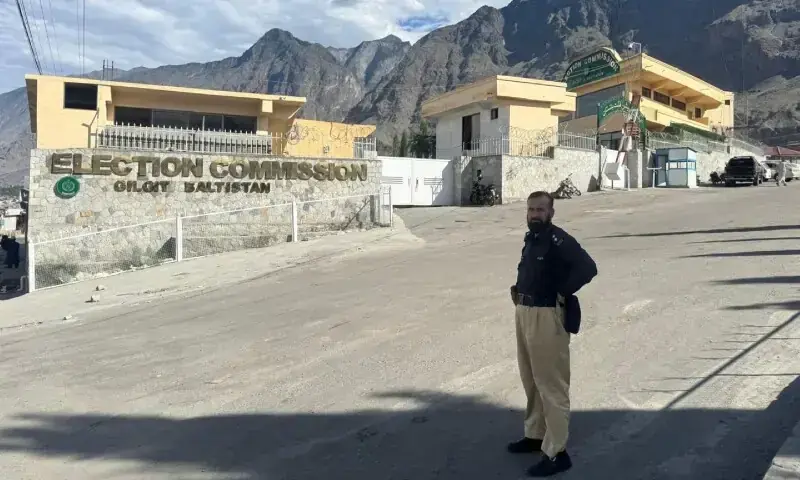
Re-polling at nine polling stations across two constituencies in Gilgit-Baltistan on Sunday resulted in the retention of seats by the Pakistan Peoples Party (PPP) and the Istehkam-i-Pakistan Party (IPP). Mohammad Naseem of the PPP secured victory in the GBA-17 Diamer-III constituency with 10,714 votes, defeating the Jamiat Ulema-e-Islam (F) candidate Rehmat Khaliq, who received 6,990 votes. In the GBA-15 Diamer-I constituency, Mohammad Dilpazeer of the IPP won with 6,033 votes after re-polling at one female station, while his opponent, JUI-F's Waliur Rehman, garnered 4,639 votes. These re-polls followed an order from the Gilgit-Baltistan Supreme Appellate Court, whose Chief Justice Sardar Muhammad Shamim Khan had suspended the initial election results from June 7 due to allegations of rigging. The court directed the re-polling after reviewing petitions filed by JUI-F candidates. The re-polling process, held on July 12, proceeded peacefully with significant security presence. Both winning candidates celebrated their victories with party supporters. Separately, the Gilgit-Baltistan Election Commission announced a by-election for the GBA-09 Skardu-III constituency, with the schedule to be released soon. This by-election is necessitated by the disqualification of PPP candidate Fida Muhammad Nashad for concealing assets.
The Gilgit-Baltistan re-polling incident highlights the critical role of electoral dispute resolution mechanisms in maintaining democratic legitimacy. The process, initiated by judicial intervention following rigging allegations, underscores the importance of independent oversight in ensuring fair electoral outcomes. Future electoral reforms could focus on enhancing transparency in vote counting and ballot security to preemptively address such disputes, potentially reducing the reliance on costly and time-consuming re-polling. The disqualification in Skardu-III also points to the ongoing challenge of candidate vetting and asset disclosure compliance within the nomination process, a systemic issue that could benefit from technological solutions and stricter enforcement to uphold electoral integrity.
AI-generated to prompt reflection — not editorial opinion, not advice, not a statement of fact. How this works.