Prabowo and Modi Launch Prambanan Temple Conservation Project
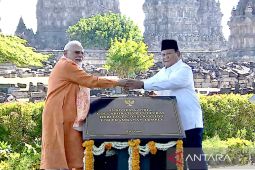
Indonesian President Prabowo Subianto and Indian Prime Minister Narendra Modi jointly inaugurated a conservation initiative for the Prambanan Temple complex on Wednesday. The initiative aims to preserve the historical and cultural significance of the UNESCO World Heritage site, which is located in Central Java, Indonesia. This collaboration between Indonesia and India underscores a shared commitment to protecting invaluable cultural heritage sites across the globe. The project will involve expertise and resources from both nations to ensure the long-term preservation of the ancient Hindu temples. The leaders expressed their dedication to safeguarding such sites for future generations. The conservation efforts are expected to focus on structural integrity, restoration, and research. This joint venture highlights the growing importance of international cooperation in cultural heritage management. The Prambanan Temple, dating back to the 9th century, is a significant landmark representing Indonesia's rich history and religious diversity. The initiative is a testament to the strong bilateral ties between Indonesia and India.
The joint launch of the Prambanan Temple conservation initiative by Presidents Prabowo and Modi signifies a strategic alignment between Indonesia and India, leveraging cultural heritage as a platform for diplomatic engagement. This collaboration addresses the universal challenge of preserving historical sites amidst environmental and developmental pressures, highlighting the growing role of soft power in international relations. By pooling resources and expertise, both nations aim to enhance the resilience of this significant UNESCO World Heritage site, potentially setting a precedent for future cross-border heritage protection projects. The initiative also reflects a broader trend of nations investing in cultural diplomacy to foster mutual understanding and strengthen economic partnerships, particularly in tourism and cultural exchange sectors, which could be further amplified by advancements in AI-driven preservation technologies and virtual heritage experiences in the coming decade.
AI-generated to prompt reflection — not editorial opinion, not advice, not a statement of fact. How this works.