Prabowo Establishes Seven New District Attorney Offices
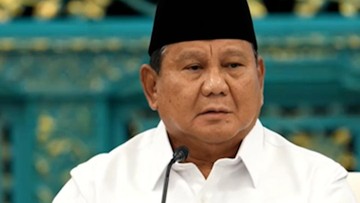
President Prabowo Subianto has signed Presidential Regulation (Perpres) No. 40/2026, which officially establishes seven new District Attorney Offices. This initiative aims to enhance legal services and accessibility for citizens in various regions across the country. The establishment of these new offices is a significant step towards strengthening the legal infrastructure and ensuring more equitable access to justice. The regulation details the operational framework and jurisdiction for each of the newly formed offices. This move is expected to improve the efficiency of legal proceedings and prosecution at the local level. It also signifies a commitment to decentralizing legal support and bringing it closer to the communities it serves. The Indonesian government views this as a crucial development in its ongoing efforts to reform and modernize the justice system. The expansion of these offices is anticipated to lead to better handling of legal cases and improved public trust in the judicial process.
The establishment of new district attorney offices by President Prabowo Subianto, formalized through Perpres No. 40/2026, represents a strategic move to bolster legal service delivery at the regional level. This expansion could address existing gaps in judicial accessibility and responsiveness, potentially leading to more efficient case processing and improved legal outcomes for citizens. From a systemic perspective, such decentralization efforts are often driven by the need to manage increasing caseloads and to ensure that legal recourse is not concentrated solely in major urban centers. The long-term impact will depend on resource allocation, personnel training, and the integration of these new offices into the broader national legal framework. Evaluating the effectiveness will require monitoring metrics related to case resolution times, public satisfaction, and the overall fairness of the judicial process in these newly served areas over the next decade.
AI-generated to prompt reflection — not editorial opinion, not advice, not a statement of fact. How this works.