Prabowo: Government Welcomes Criticism, Distinguishes It from Slander
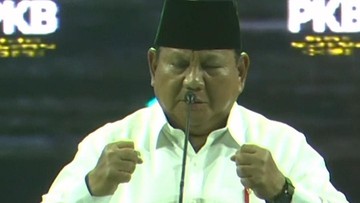
Indonesian President Prabowo Subianto stated that the government is not opposed to criticism. He believes that criticism is beneficial and can serve as a form of salvation. The President emphasized that the government differentiates between constructive criticism and slander. While acknowledging the value of feedback, he indicated that malicious or false accusations would not be tolerated. This stance suggests a desire to foster an environment where public discourse is encouraged, but within the bounds of truth and respect. The administration aims to be responsive to legitimate concerns raised by the public and other stakeholders. However, it also seeks to protect itself and its operations from baseless attacks. The President's remarks signal a nuanced approach to public engagement, balancing openness with the need for factual accuracy.
The Indonesian government's stated openness to criticism, while distinguishing it from slander, reflects a common governance challenge. Balancing the need for public accountability and feedback with the protection of institutional reputation and operational integrity is a delicate act. From a systems perspective, this approach aims to channel public sentiment constructively, potentially mitigating unrest and fostering policy adjustments. However, the effectiveness hinges on clear, transparent definitions of 'criticism' versus 'slander' and impartial mechanisms for their adjudication. In the long term, fostering genuine public trust requires more than pronouncements; it necessitates consistent, demonstrable responsiveness to legitimate concerns and a robust, independent framework for addressing grievances, particularly as digital platforms accelerate information flow and scrutiny.
AI-generated to prompt reflection — not editorial opinion, not advice, not a statement of fact. How this works.