Prachanda Calls for PM-Led All-Party Dialogue on Sunsari Tensions
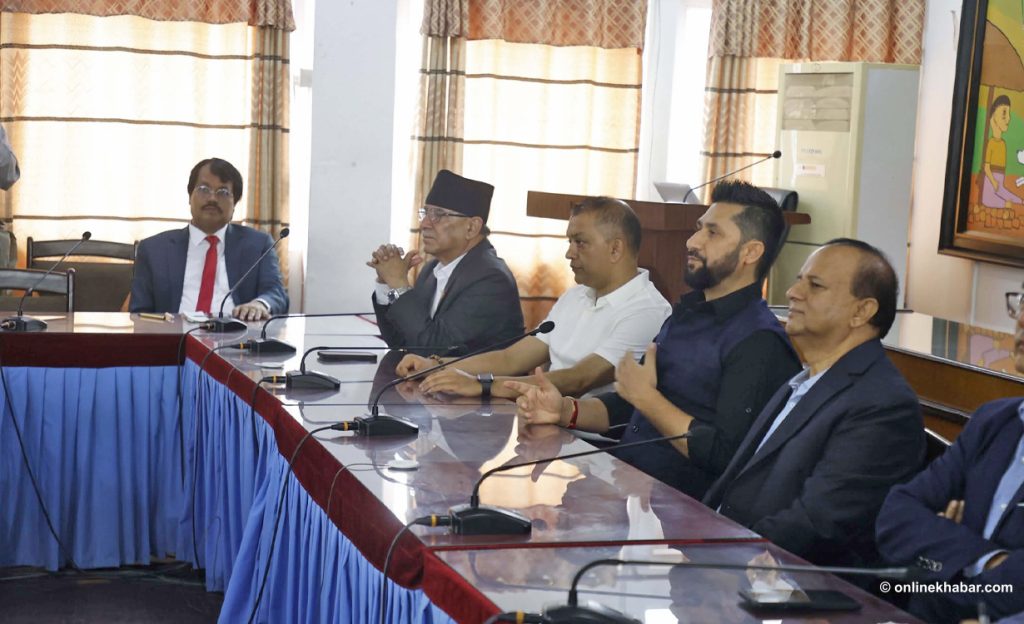
Pushpa Kamal Dahal 'Prachanda', coordinator of the Communist Party of Nepal and former Prime Minister, has stated that the Prime Minister must immediately initiate an all-party dialogue and seek consensus to resolve the tensions in Sunsari. Speaking at an all-party meeting convened by Rabi Lamichhane, chairman of the Rastriya Swatantra Party, on Wednesday, Prachanda emphasized the need for all sides to exercise restraint during this sensitive period. He stressed the importance of maintaining social harmony and mutual understanding among all communities. The meeting was called to discuss the escalating situation in Sunsari, where recent events have caused significant concern. Prachanda's call highlights the urgency of a unified political approach to de-escalate the situation and prevent further unrest. He believes that involving all political parties in the dialogue process is crucial for finding a sustainable solution. The former Prime Minister urged for a collaborative effort to address the root causes of the tensions and ensure peace and stability in the region. The Prime Minister's proactive engagement is seen as vital in fostering trust and facilitating constructive discussions among all stakeholders.
The call for an all-party dialogue by former Prime Minister Prachanda underscores a recurring challenge in Nepal's political landscape: managing inter-community relations and localized tensions through broad consensus. This event highlights the governance dynamic where immediate de-escalation often relies on political theater and broad-based agreement, rather than necessarily addressing underlying systemic issues that may fuel such disputes. In the context of Nepal's evolving political and social fabric, fostering durable peace will require moving beyond reactive, all-party meetings towards more proactive, inclusive, and issue-specific conflict resolution mechanisms that empower local communities and ensure equitable representation and resource distribution. The next decade's focus on digital governance and data-driven policy could offer new avenues for understanding and mitigating such tensions, but only if coupled with genuine political will for systemic reform.
AI-generated to prompt reflection — not editorial opinion, not advice, not a statement of fact. How this works.