Prague Zoo Provides Tons of Ice for Polar Bears
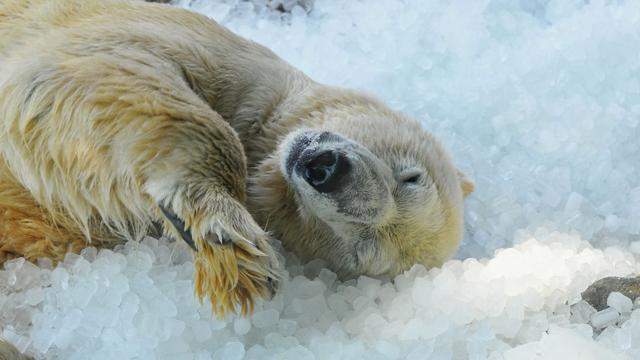
The Prague Zoo has taken a significant step to ensure the well-being of its polar bears by providing them with tons of ice. This initiative aims to help the bears cope with the rising temperatures, offering them a more natural and comfortable environment. The zoo's commitment extends beyond just feeding and basic care, focusing on enrichment activities that mimic the bears' natural habitat.
The provision of large quantities of ice is a direct response to the challenges posed by climate change and its impact on arctic animals. By creating a cooler environment, the zoo hopes to reduce stress and prevent potential health issues associated with heat. This measure highlights the zoo's dedication to animal welfare and its proactive approach to environmental challenges.
The Prague Zoo's initiative to supply substantial amounts of ice for its polar bears reflects a growing awareness of the physiological challenges faced by species adapted to cold climates in a warming world. This practice addresses the immediate comfort and health needs of the animals, mitigating the effects of elevated ambient temperatures. From a systemic perspective, such measures, while beneficial for individual animals, underscore the broader challenge of maintaining species in environments that are increasingly diverging from their evolutionary adaptations. The long-term viability of keeping arctic species in non-arctic zoos may require more fundamental shifts in enclosure design and climate control, or a re-evaluation of which species can be sustainably housed. This situation prompts consideration of how zoological institutions can best serve conservation goals and animal welfare amidst accelerating climate change, balancing immediate care with future ecological realities.
AI-generated to prompt reflection — not editorial opinion, not advice, not a statement of fact. How this works.