Praia Grande Fish Festival Scales Up From 200 Fish to 24 Tons, Secret Recipe Guarded
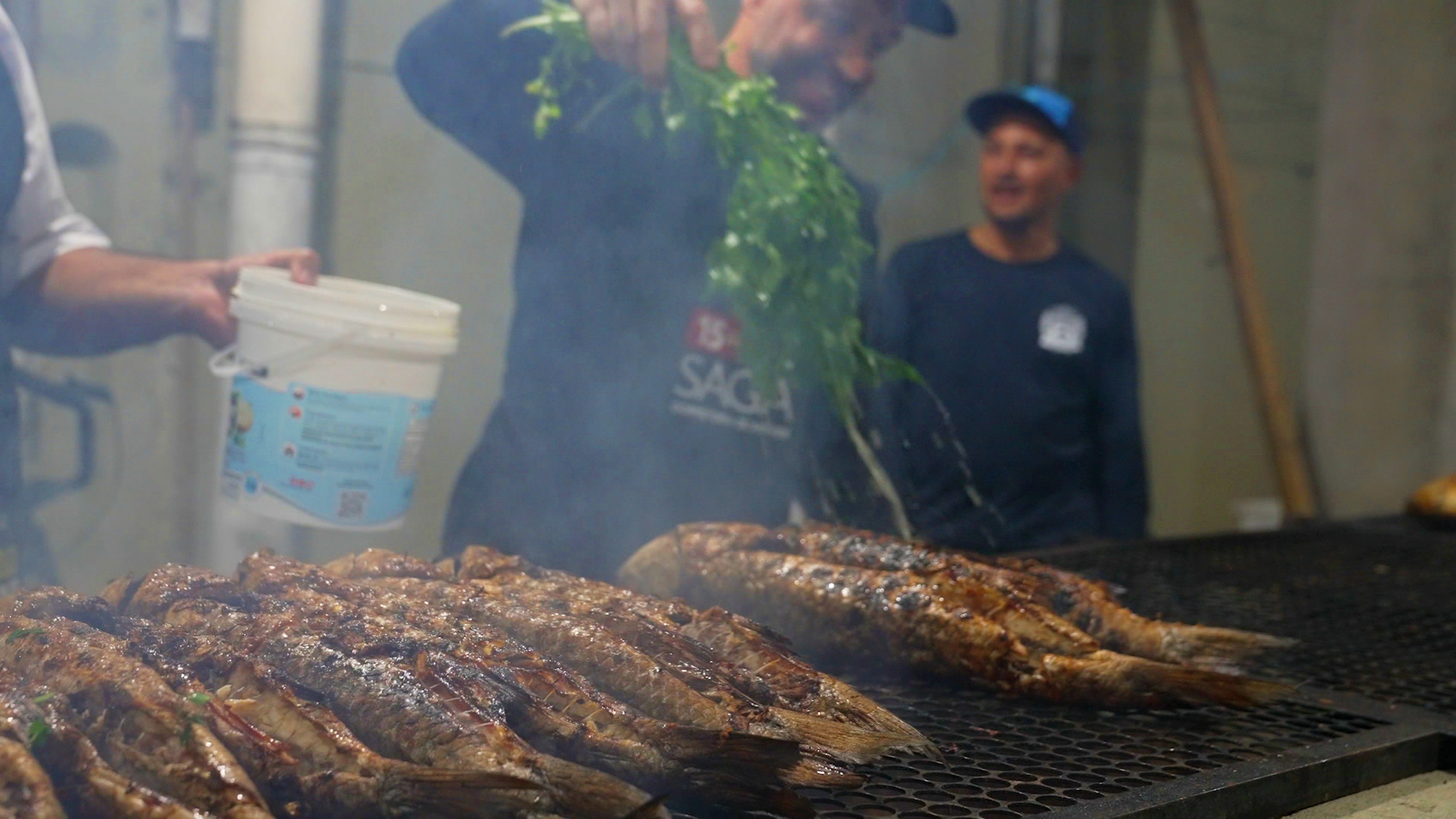
The Praia Grande Mullet Festival, a long-standing culinary event on the São Paulo coast, has grown significantly since its inception in 1998. Initially serving just 200 fish and lasting one day with 30 volunteers, the 27th edition is expected to draw over 100,000 attendees and requires 24 tons of mullet. The festival, held on weekends in July at the Jair Rodrigues Events Pavilion in Quietude, offers free admission. A plate of mullet with rice, farofa, and vinaigrette costs R$140 and serves up to three people. The event also features live music, an artisan fair, a kids' area, and other food options.
Key to the festival's sustained growth and community feel are its dedicated volunteers and fishermen. Luiz Carlos Marono, the festival's founder, highlights the event's roots in friendship, hard work, and a cherished secret recipe. Raimundo Alves Neto, a 75-year-old fisherman from Rio Grande do Norte who learned his craft in Praia Grande, is instrumental in preparing the mullet. He has been involved with the festival for 14 years, overseeing the cleaning, seasoning, and serving of the fish, which he estimates passes through his hands about four times for every portion of the 24 tons prepared. His unique seasoning blend, developed over time with input from others, is considered a major draw.
Raimundo's deep connection to the sea began in the 1960s, using rudimentary equipment like the "tamanca," a wooden board propelled by a paddle. His life at sea has been marked by both camaraderie and tragedy, including a near-death experience in the 1980s during a rescue operation. Despite these challenges, he finds joy in the festival, where his culinary skills are celebrated. The festival's proceeds are directed to the municipality's Social Solidarity Fund, supporting income-generation projects and social housing initiatives. An estimated 4,000 children are expected to benefit from programs like the "glasses bank" between 2011 and 2026.
The Praia Grande Mullet Festival exemplifies a successful transition from a small community gathering to a large-scale traditional event. Its growth trajectory, from serving 200 fish to 24 tons, demonstrates effective scaling of operations and popular appeal. The emphasis on a secret, collaboratively developed recipe and the deep involvement of long-term volunteers like Raimundo Alves Neto underscore the importance of intangible cultural heritage and community ownership in sustaining such events. The festival's commitment to reinvesting proceeds into social programs highlights a model of corporate social responsibility integrated into its core operations, suggesting that economic success can be aligned with community benefit. Looking ahead, the challenge will be to maintain authenticity and community spirit as the event continues to grow, potentially attracting larger commercial interests and requiring careful governance to preserve its origins.
AI-generated to prompt reflection — not editorial opinion, not advice, not a statement of fact. How this works.