Praia Grande operation shuts down six scrapyards for irregularities
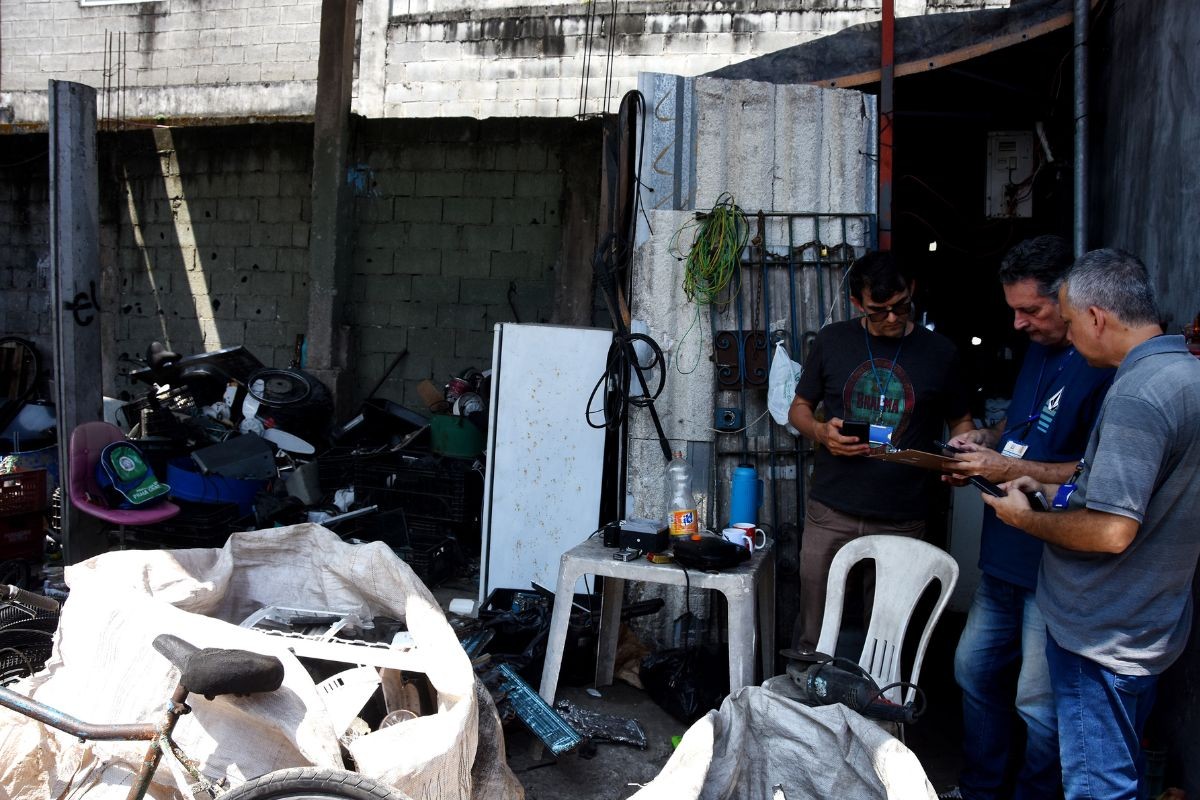
An operation targeting the illicit trade of stolen goods in Praia Grande, on the coast of São Paulo, Brazil, resulted in the closure of six scrapyards and the seizure of one vehicle. The inspections, conducted on Thursday, May 16th, covered seven establishments across the Melvi, Mirim, and Anhanguera neighborhoods. The joint effort involved personnel from the Municipal Civil Guard (GCM), Military Police, and the municipal secretariats of Urbanism (Seurb) and Environment (Sema). Of the seven locations inspected, six were shut down due to structural irregularities and a lack of proper documentation. During the operation, 42 individuals were approached for data verification, but no arrests or referrals to the police station were made. The municipal administration highlighted that these businesses are frequent targets of inspections due to their suspected involvement in receiving stolen materials, such as copper wire, water and energy meters, garage gates, and cell phones, which are then resold for reuse or scrap. While the primary suspicion was the reception of stolen goods, only administrative infractions were identified in this phase. The operation's main objective, according to the Secretary of Public Security Affairs, Maurício Vieira Izumi, was to penalize scrapyards operating outside permitted hours, as regulations prohibit their opening after 6 PM.
This operation highlights the ongoing challenge of combating the illicit market for stolen goods, which fuels property crime by providing an outlet for stolen items. The focus on administrative infractions, such as operating hours and structural issues, suggests a regulatory approach rather than direct criminal prosecution for receiving stolen property in this instance. Future efforts could explore enhanced supply chain traceability for scrap materials and stricter licensing requirements for scrapyards to deter criminal activity. The systemic issue involves balancing economic activity in the recycling sector with public safety concerns, requiring coordinated enforcement and potentially legislative updates to address the evolving methods of illicit trade in the digital age.
AI-generated to prompt reflection — not editorial opinion, not advice, not a statement of fact. How this works.