Praia Grande Surpasses 50,000 Individual Micro-Entrepreneurs, Leading Baixada Santista
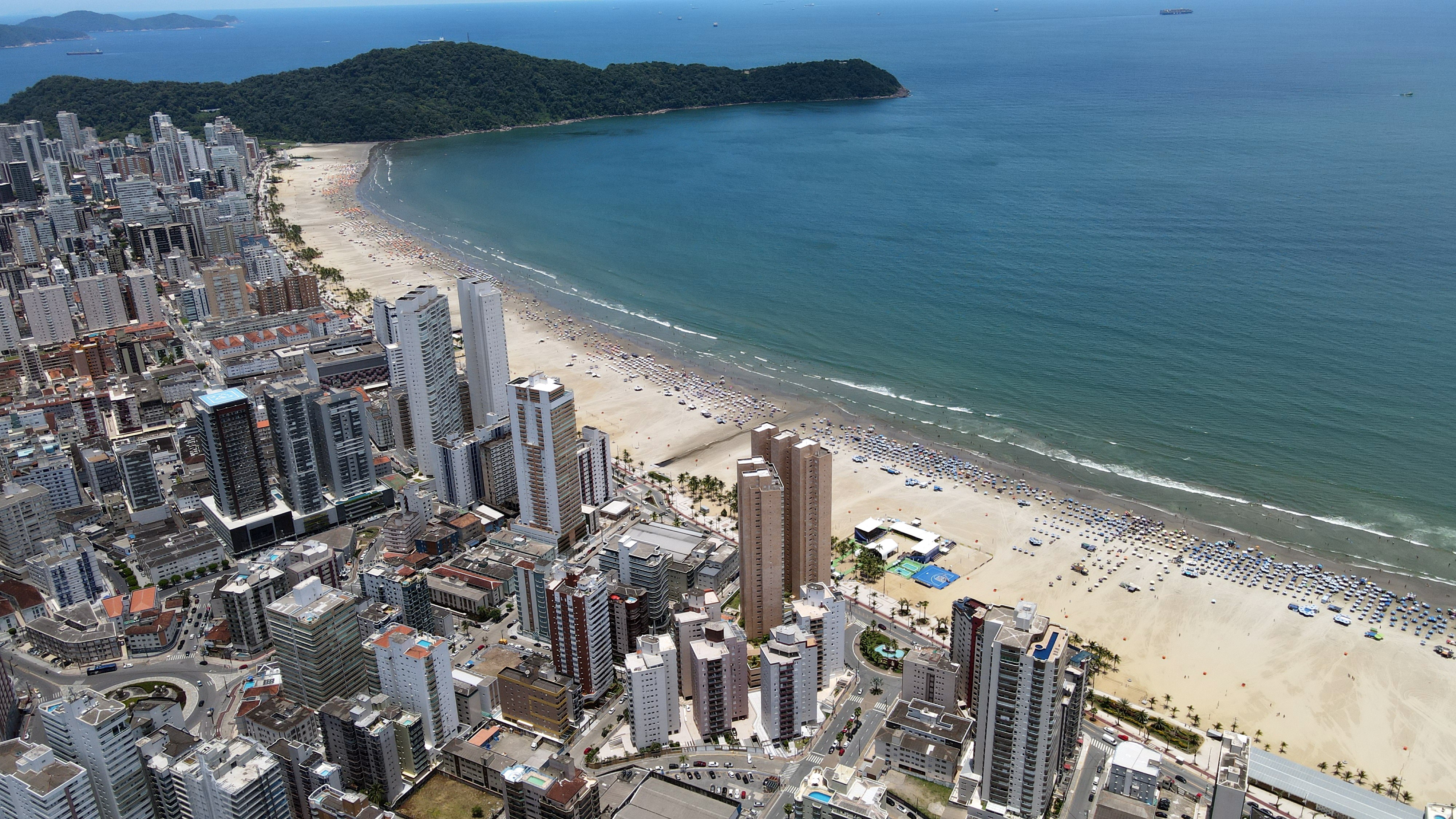
Praia Grande, a city in São Paulo's coastal region, has become the first in the Baixada Santista area to exceed 50,000 registered Individual Micro-Entrepreneurs (MEIs). This milestone was reported by the Brazilian Service of Support for Micro and Small Enterprises (Sebrae), based on data from the Entrepreneur Portal. Over the last four years, the Baixada Santista region has seen a significant 42% increase in formalizations, growing from 166,000 entrepreneurs in 2022 to 236,000 in 2026. Praia Grande experienced an even more substantial growth of 47.7% in the same period, with its MEI registrations rising from 34,152 to 50,447. This surge has propelled Praia Grande to the top of the regional ranking, surpassing Santos and São Vicente. Sebrae business analyst Eduardo Sotelo attributes this growth to the city's demographic expansion and the strength of sectors such as construction, beauty services, and retail. In 2026, Praia Grande leads with 50,447 MEIs, followed by Santos with 49,135 and São Vicente with 46,285. Sotelo highlighted that the MEI model is particularly beneficial for service providers, including those in repair and small renovation work, as well as the beauty and apparel retail sectors. The presence of neighborhood commercial centers has also been crucial for this development, fostering a local production chain where entrepreneurs support each other. Sebrae actively promotes these connections through business meetings and networking platforms, in collaboration with the City Hall, the Commercial Association, and the Chamber of Retail Directors (CDL). Sebrae also offers free in-person and online training to assist entrepreneurs in planning and developing their businesses.
The significant growth in Individual Micro-Entrepreneurs (MEIs) in Praia Grande reflects a broader trend of increased formalization within Brazil's informal economy, driven by accessible registration processes and a demand for flexible work arrangements. This expansion, particularly in service-oriented sectors, suggests a dynamic local economy adapting to demographic shifts and consumer needs. The data highlights the role of supportive ecosystems, such as those fostered by Sebrae and local government partnerships, in nurturing small businesses. Future policy considerations might focus on scaling these support mechanisms to ensure sustained growth and integration into larger economic structures, while also addressing potential challenges related to access to capital and advanced skills development for these micro-enterprises in the evolving digital landscape.
AI-generated to prompt reflection — not editorial opinion, not advice, not a statement of fact. How this works.