Praise for Train Station Alcohol Ban, but Implementation Questions Remain
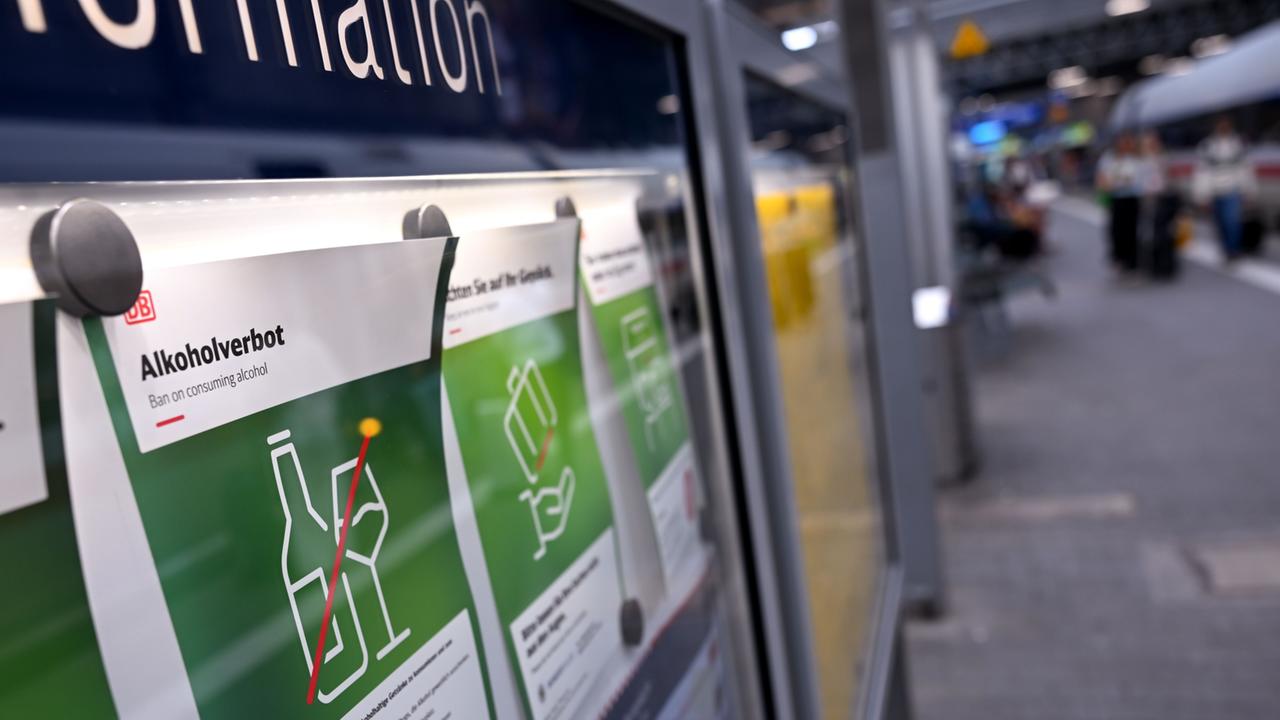
A proposed alcohol ban at train stations has garnered praise from politicians and police unions. However, alongside this positive reception, significant doubts are emerging regarding the practical implementation of such a ban. Concerns are also being raised about the potential consequences for specific demographic groups within society.
The proposed alcohol ban at train stations highlights a common tension between public safety objectives and practical governance. While the intent to reduce public disorder and potential alcohol-related incidents is understandable, the effectiveness of such bans often hinges on enforcement capabilities and resource allocation. Policymakers must consider the potential for unintended consequences, such as displacement of problematic behavior to other public areas or disproportionate impacts on vulnerable populations. Evaluating the ban's long-term efficacy will require careful monitoring of its effects on crime statistics, public perception, and the social dynamics around transit hubs, alongside an assessment of the administrative burden and costs associated with its implementation and enforcement.
AI-generated to prompt reflection — not editorial opinion, not advice, not a statement of fact. How this works.