Pranksters or Hybrid Actors? The Vovan and Lexus Incident and Hybrid Threats
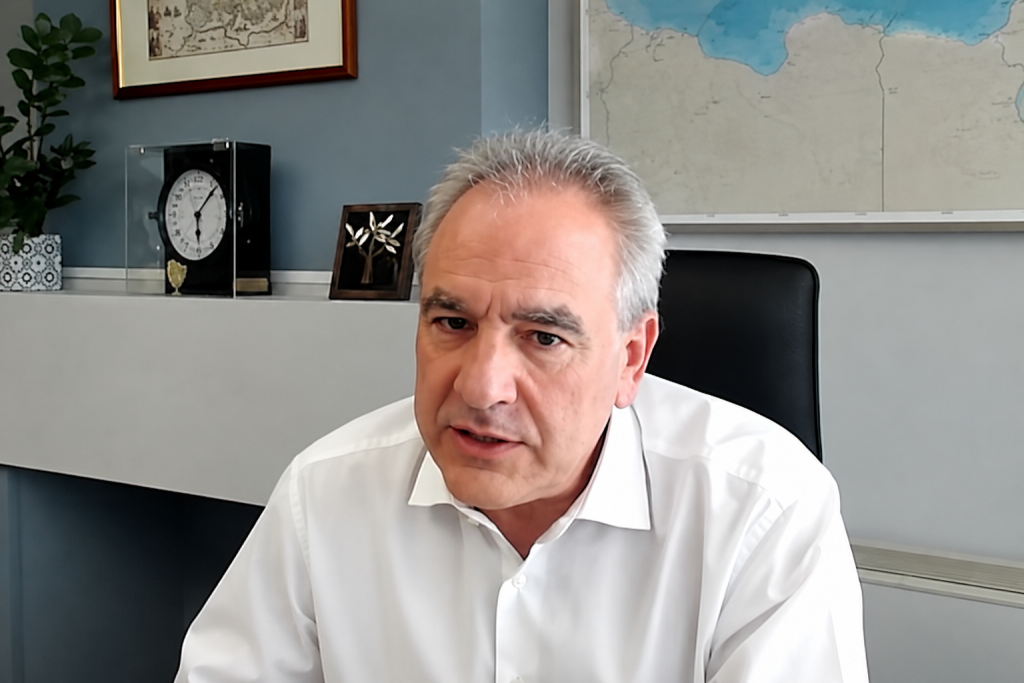
An incident involving the Secretary General of National Security and the duo Vovan and Lexus has reignited discussions about hybrid threats. Vovan and Lexus, comprised of Vladimir Kuznetsov and Alexey Stolyarov, claim to be hosts of a comedy show that performs pranks. The incident has raised questions about whether they are merely pranksters or if they function as hybrid actors operating within the framework of Russian military doctrine. This situation brings to the forefront the complex nature of modern information warfare and the challenges in distinguishing between entertainment and state-sponsored disinformation campaigns. The actions of individuals like Vovan and Lexus can blur the lines between satire and geopolitical maneuvering. Their pranks, often targeting high-profile figures, can have significant real-world implications, impacting public perception and potentially influencing political discourse. The debate centers on the intent and impact of their activities, and whether they serve a larger strategic purpose for any state actor. This case highlights the evolving landscape of hybrid threats, where non-state actors can be leveraged for political or strategic objectives.
The incident involving Vovan and Lexus prompts an examination of how seemingly unserious activities can intersect with geopolitical strategy. The core question is whether their pranks, regardless of their self-proclaimed comedic intent, are being leveraged as part of a broader hybrid warfare strategy. This dynamic underscores the challenge of attributing actions in the digital age, where the lines between individual initiative, state sponsorship, and emergent threats are increasingly blurred. Future analysis should focus on the systemic incentives that might encourage such actors, the potential for miscalculation by targeted entities, and the evolving international norms for addressing non-state actors engaged in activities that destabilize public trust or political processes. Understanding these underlying mechanisms is crucial for developing resilient defenses against future hybrid threats.
AI-generated to prompt reflection — not editorial opinion, not advice, not a statement of fact. How this works.