Prayagraj Temple Implements Dress Code for Devotees During Shravan Month
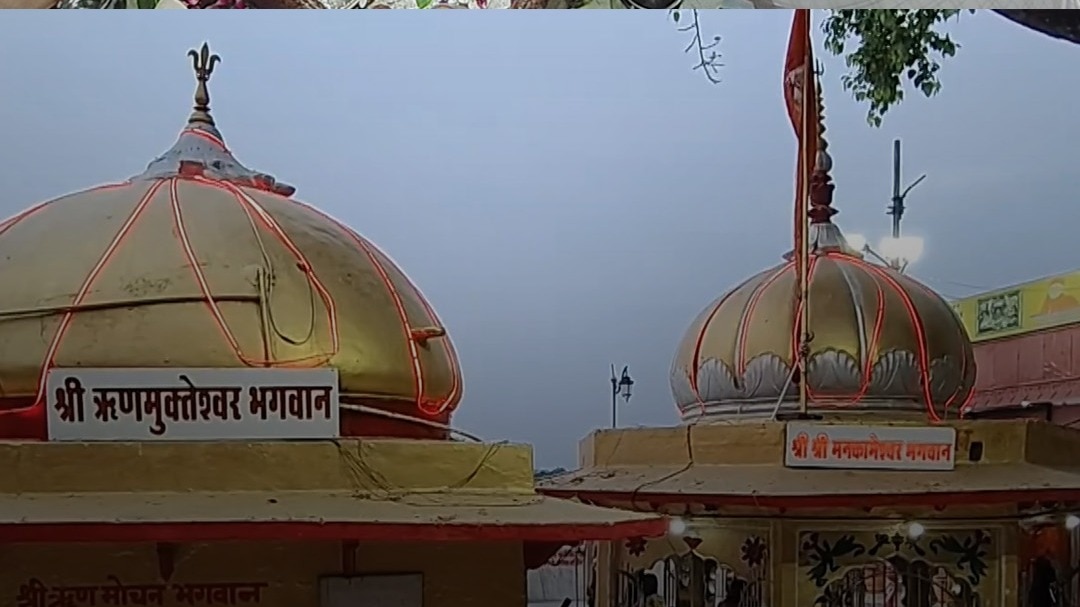
The Mankameshwar Temple in Prayagraj has reinstated a dress code for devotees during the ongoing Shravan month. Temple authorities are requesting that all visitors wear modest and traditional Indian attire. Specifically, men participating in Rudrabhishek rituals are required to wear a dhoti, while women must wear a sari or a salwar kameez. In addition to the dress code, the temple administration has also prohibited the use of plastic, smoking, and taking selfies within the temple premises. This measure aims to maintain the sanctity and decorum of the religious site during a significant period of worship.
The implementation of a dress code in religious sites like Mankameshwar Temple reflects a broader societal trend of reasserting traditional values in public spaces. While intended to preserve religious sanctity and promote cultural norms, such policies can also raise questions about inclusivity and individual expression. From a governance perspective, balancing the preservation of religious traditions with the rights and comfort of a diverse worshipping population presents an ongoing challenge. The temple's approach, focusing on specific attire for rituals and general modesty, highlights the delicate interplay between religious authority and public expectation in the digital age, where practices like selfie-taking are also being regulated.
AI-generated to prompt reflection — not editorial opinion, not advice, not a statement of fact. How this works.