Predictive Analytics: Supercomputers and Math Determine World Cup Outcomes
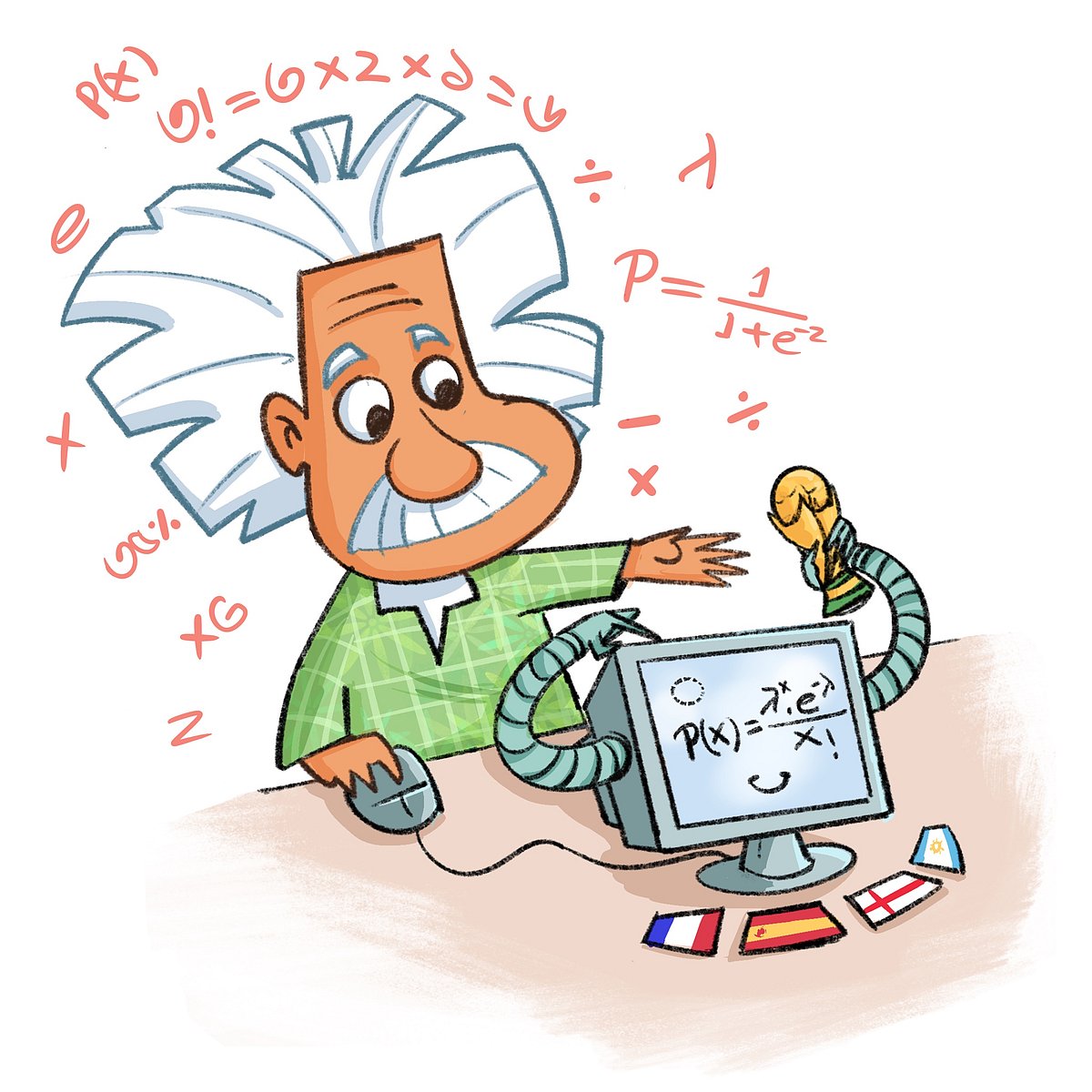
Predictive analytics technology is being utilized in football to forecast match results. This advanced method combines the power of supercomputers with sophisticated mathematical analysis. By processing vast amounts of data and complex algorithms, these systems aim to predict the fate of teams in major tournaments like the World Cup. The technology seeks to move beyond traditional statistical methods by incorporating more dynamic variables and predictive modeling. This approach allows for a deeper understanding of the intricate factors influencing game outcomes. Ultimately, predictive analytics offers a data-driven perspective on football's most anticipated events.
The application of supercomputing and advanced mathematical models to predict sporting outcomes represents a significant evolution in sports analytics. This approach moves beyond simple statistical correlations to complex predictive modeling, potentially offering insights into team performance and match probabilities. While such technologies can enhance fan engagement and strategic planning, their predictive accuracy is inherently limited by the stochastic nature of sports. Over-reliance on these models could overlook crucial human elements like player psychology, on-field adaptability, and unforeseen events. Future developments will likely focus on refining algorithms to better account for these qualitative factors, balancing computational power with the inherent unpredictability of athletic competition.
AI-generated to prompt reflection — not editorial opinion, not advice, not a statement of fact. How this works.