Prehistoric Giant Mammal Remains Unearthed in Neuquén, Argentina
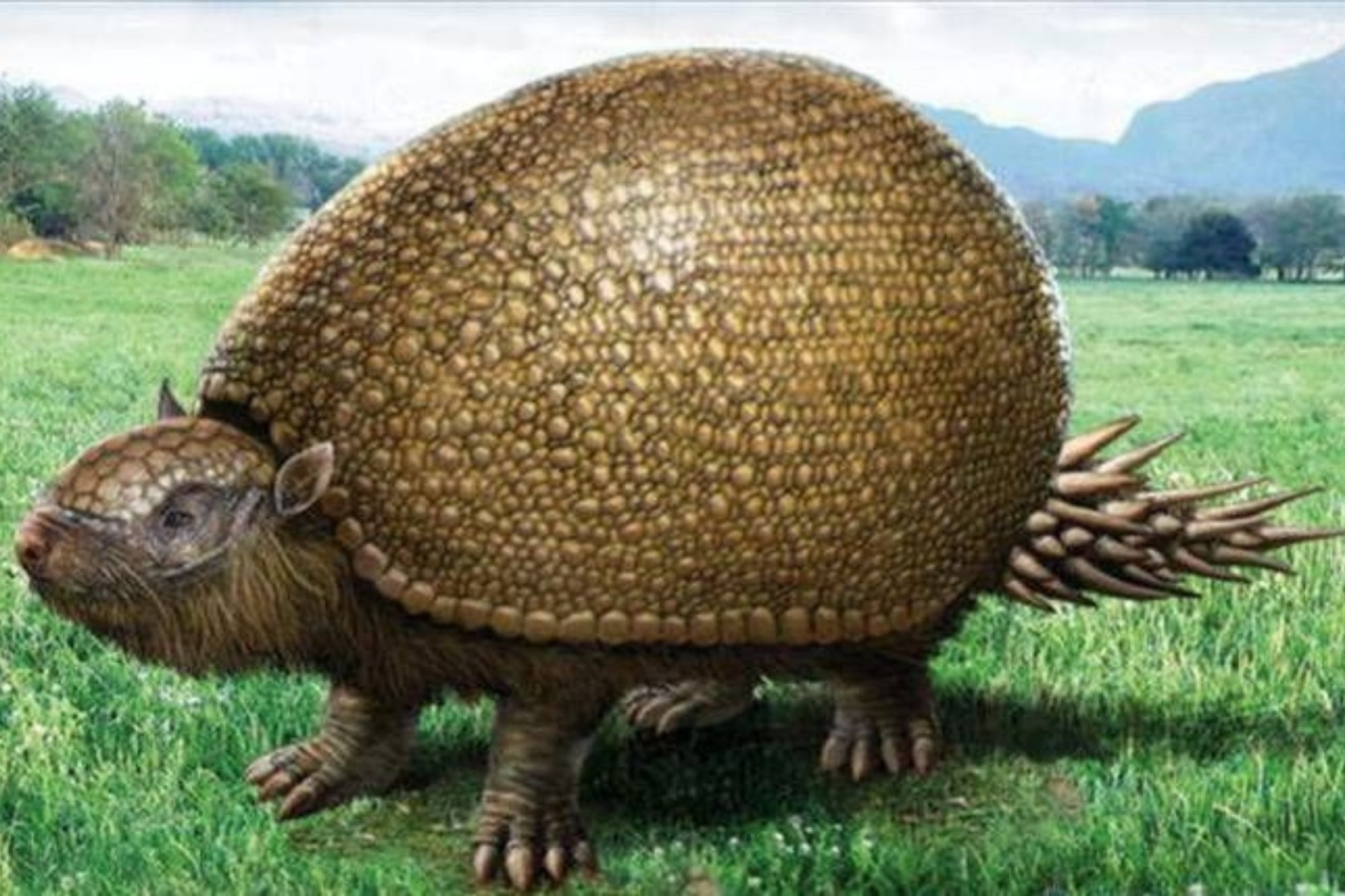
A local resident in Neuquén, Argentina, has discovered the fossilized remains of a giant prehistoric mammal. The find has been identified as a glyptodon, a species that lived during the Pleistocene epoch. Scientists estimate the age of these remains to be between 700,000 and one million years old. This discovery adds to the paleontological richness of the Neuquén region, known for its significant prehistoric finds. The glyptodon was a large, armored mammal, a relative of modern armadillos, that roamed South America during the last glacial period. Its discovery provides valuable insights into the megafauna that inhabited the area millions of years ago. Further analysis of the fossils is expected to reveal more about the glyptodon's life and environment. The find underscores the importance of citizen science in paleontological research. This discovery highlights Neuquén's potential for future prehistoric discoveries.
The discovery of ancient megafauna fossils, such as this glyptodon in Neuquén, offers a tangible link to Earth's deep past. Such finds are crucial for understanding evolutionary processes and past ecosystems, providing data points for climate modeling and biodiversity studies. From a scientific perspective, each new fossil contributes to a more complete picture of prehistoric life, informing our understanding of species adaptation and extinction events. These discoveries also highlight the ongoing geological processes that preserve such ancient evidence, reminding us of the dynamic nature of our planet. The potential for future discoveries in regions like Neuquén suggests that systematic paleontological exploration, coupled with public awareness and reporting, can continue to yield significant scientific insights.
AI-generated to prompt reflection — not editorial opinion, not advice, not a statement of fact. How this works.