Premature Baby Discharged from Hospital in Acre Dressed as Our Lady of Aparecida
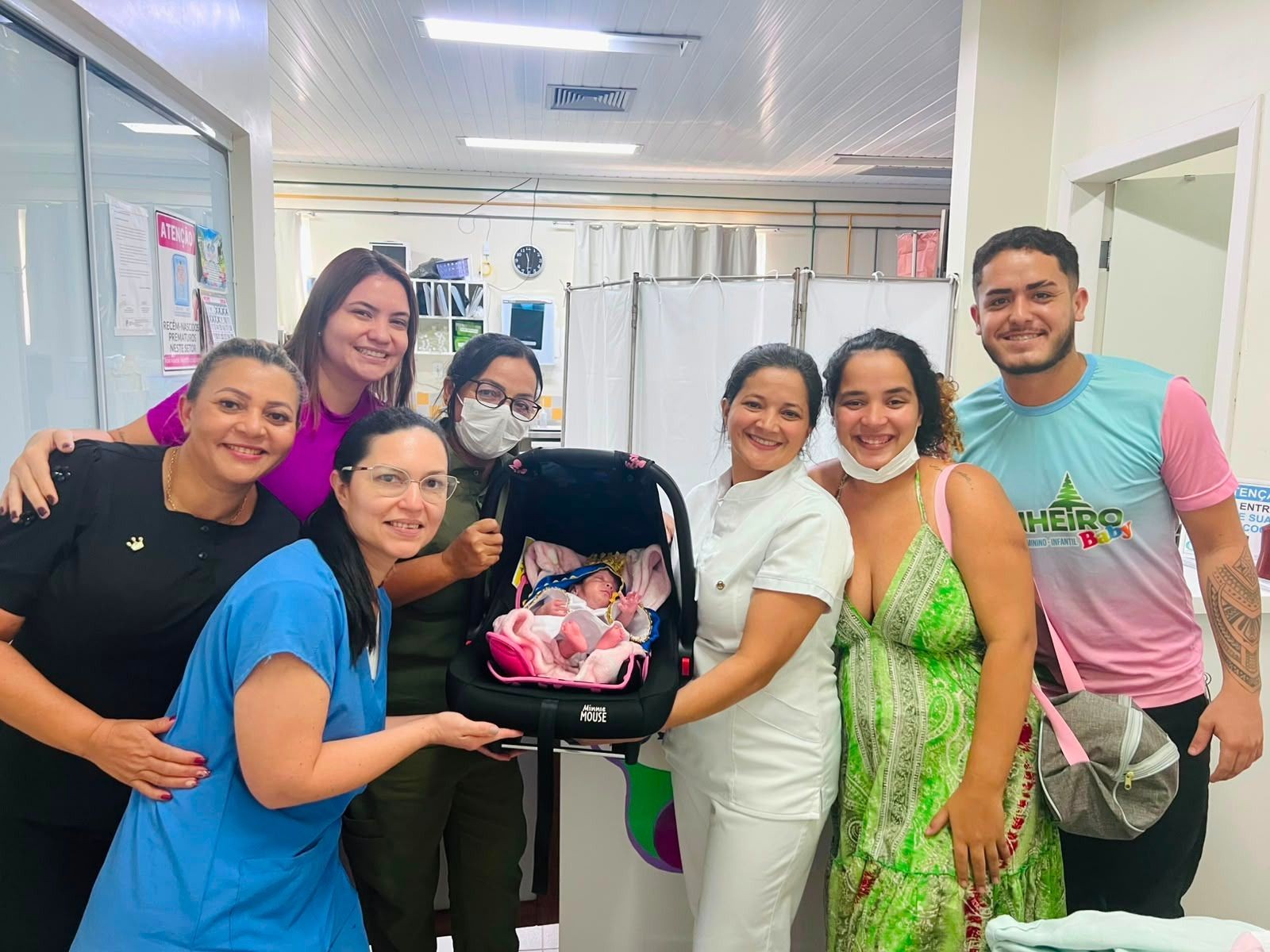
A baby girl named Maria Alicia Santos da Silva, born weighing only 970 grams due to extreme prematurity, has been discharged from the Hospital da Mulher e da Criança do Juruá in Cruzeiro do Sul, Acre. She spent 61 days in the hospital, initially in the neonatal intensive care unit (NICU) and later in the kangaroo care unit, where she gained weight. Upon her discharge on Thursday, May 9th, Maria Alicia was dressed as Our Lady of Aparecida, fulfilling a promise made by her mother, 24-year-old nail designer Rania Maria Santos. The family also dressed the baby similarly when she left the NICU the previous month. Maria Alicia was born on May 13th, 2026, at 30 weeks gestation, coinciding with the feast day of Our Lady of Fatima. Despite her extremely premature birth, she did not require intubation, only oxygen support. Her mother expressed a mix of joy and apprehension about caring for her at home, emphasizing the importance of continued medical follow-up. Rania Santos highlighted the unwavering support of her family and the hospital staff throughout the challenging period. She also shared that she made a promise to dress her daughter as Our Lady of Aparecida if she recovered without lasting health issues, a promise she fulfilled with deep gratitude and faith.
The discharge of Maria Alicia Santos da Silva, a premature infant, marks a significant milestone for her family, underscoring the critical role of neonatal intensive care and dedicated parental support. The narrative highlights the powerful intersection of medical intervention, personal faith, and cultural devotion in navigating extreme health challenges. While celebrating the positive outcome, it's important to consider systemic factors contributing to high rates of premature births in regions like Acre, as noted in the source. Future public health strategies could focus on prenatal care accessibility and maternal health education to mitigate risks. The family's fulfillment of a deeply personal promise through symbolic attire offers a poignant example of how cultural and religious beliefs can provide strength and meaning during medical crises, while also serving as a testament to the resilience of both infant and caregiver.
AI-generated to prompt reflection — not editorial opinion, not advice, not a statement of fact. How this works.