Prensa Libre's Legacy: A Reporter's Daughter Continues the Journalistic Tradition
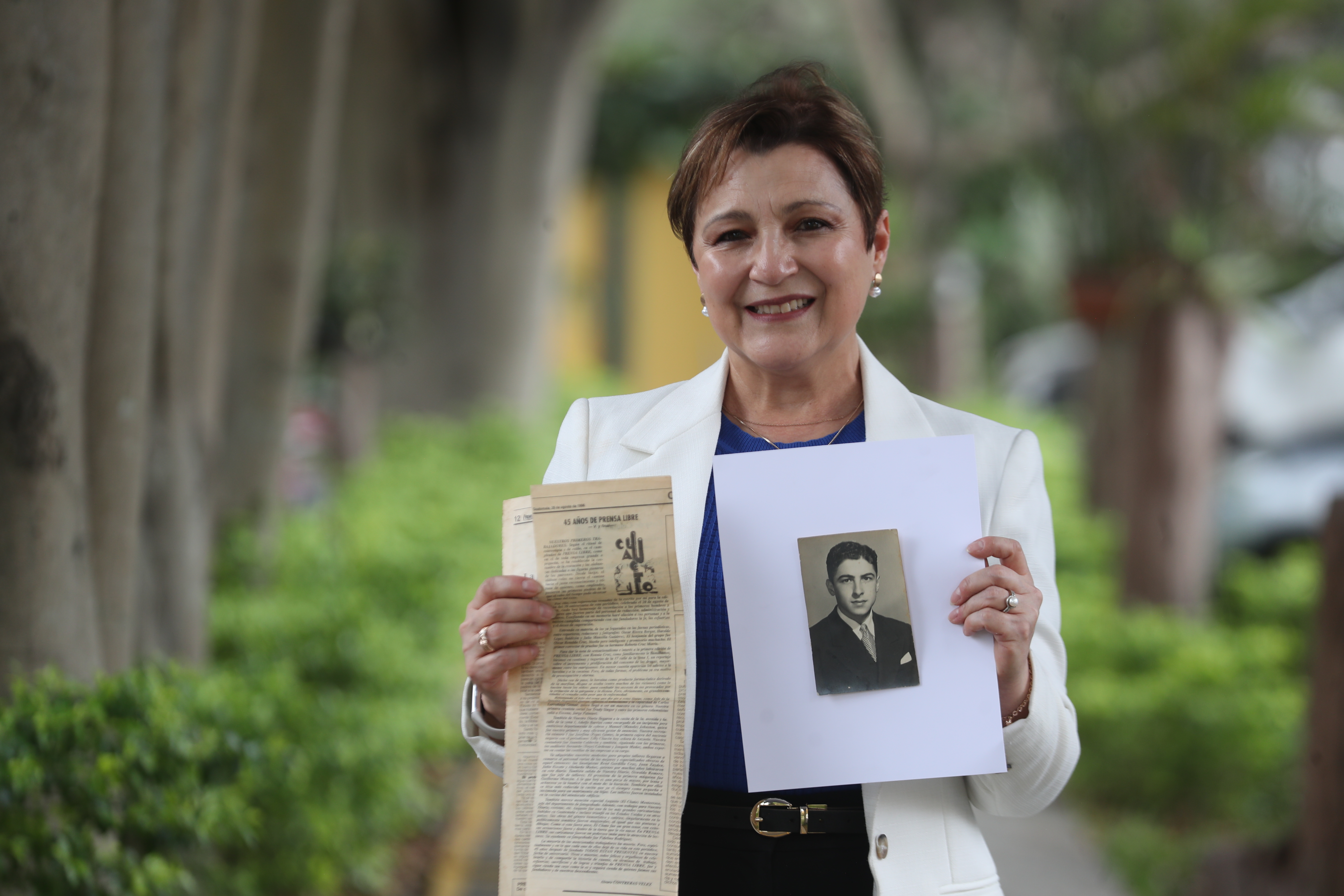
The journalistic legacy of Ronnie Cruz, a pioneering reporter for Prensa Libre, continues through his daughter, América Cruz Gaytan. Ronnie Cruz was a key contributor to the newspaper's inaugural edition on August 20, 1951, with his investigative report on drug consumption. His brother, Roberto Cruz, served as the first proofreader. América, now the head of communication for the Institute of Nutrition of Central America and Panama (Incap), has dedicated over 25 years to the field, inspired by her father's early career in journalism and television. She recalls seeing his photographs and reading his contributions, which ignited her passion for the profession. América emphasizes that her father instilled in her and her sisters strong values of social justice and a desire to make a difference through their work. She maintains a close relationship with Prensa Libre, often providing information and coordinating interviews for the newspaper on topics relevant to Incap's work. Having read Prensa Libre since childhood, encouraged by her paternal grandmother to stay informed, América values the newspaper's commitment to factual reporting and thorough investigation. She believes Prensa Libre earns reader trust through its diligent fact-checking and robust journalistic practices. América credits her father's foundational work for Prensa Libre as a significant influence on her own daily professional endeavors.
This narrative highlights the intergenerational transmission of journalistic values and practices, showcasing how early investigative reporting can shape family legacies. The story underscores the importance of institutional memory within media organizations like Prensa Libre, which fosters a sense of continuity and dedication among its contributors and their families. In an era increasingly defined by digital information and evolving media landscapes, the enduring impact of foundational journalistic work and the personal connections it forges offer a compelling case study on maintaining journalistic integrity and public trust. The emphasis on social justice and factual reporting as core tenets suggests a resilient model for media's role in society, even as the industry navigates technological disruption and changing audience engagement patterns.
AI-generated to prompt reflection — not editorial opinion, not advice, not a statement of fact. How this works.