Preserving Heritage: Between Living Memory and 'Zombie Legacy'
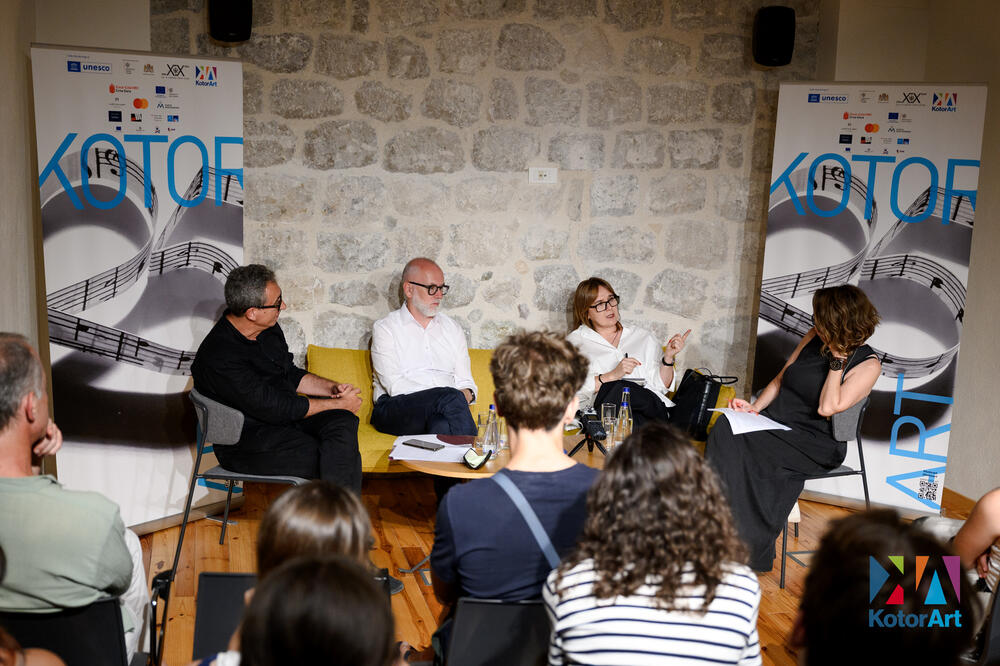
The second night of KotorArt's Pjaca od filozofa explored the challenge of preserving the authenticity of cultural heritage in an era marked by commercialization, revisionism, and weakening institutional protection. The discussion highlighted the tension between genuine historical memory and what was termed 'zombie legacy.' This concept refers to the superficial or distorted appropriation of heritage, stripped of its original context and meaning, often for commercial gain or nationalistic agendas. Speakers debated the role of institutions in safeguarding heritage against these forces. They emphasized the need for robust legal frameworks and active public engagement to ensure that historical sites and traditions are respected and understood in their true significance. The event underscored the ongoing struggle to maintain the integrity of cultural memory against pressures that threaten to dilute or exploit it.
The discourse on heritage preservation grapples with the inherent tension between cultural value and economic utility. Commercialization and revisionism, as highlighted, represent market and ideological forces that can commodify or distort historical narratives for contemporary gain. Weakening institutional protection suggests potential systemic underfunding or a shift in governance priorities away from cultural stewardship. The concept of 'zombie legacy' points to a broader societal challenge: the superficial engagement with complex histories in an information-saturated, fast-paced world. Future challenges will involve leveraging technology for authentic representation and education, while simultaneously strengthening regulatory frameworks to resist exploitative appropriation and ensure intergenerational transmission of genuine cultural memory.
AI-generated to prompt reflection — not editorial opinion, not advice, not a statement of fact. How this works.