President and Finance Minister Present Divergent Economic Views
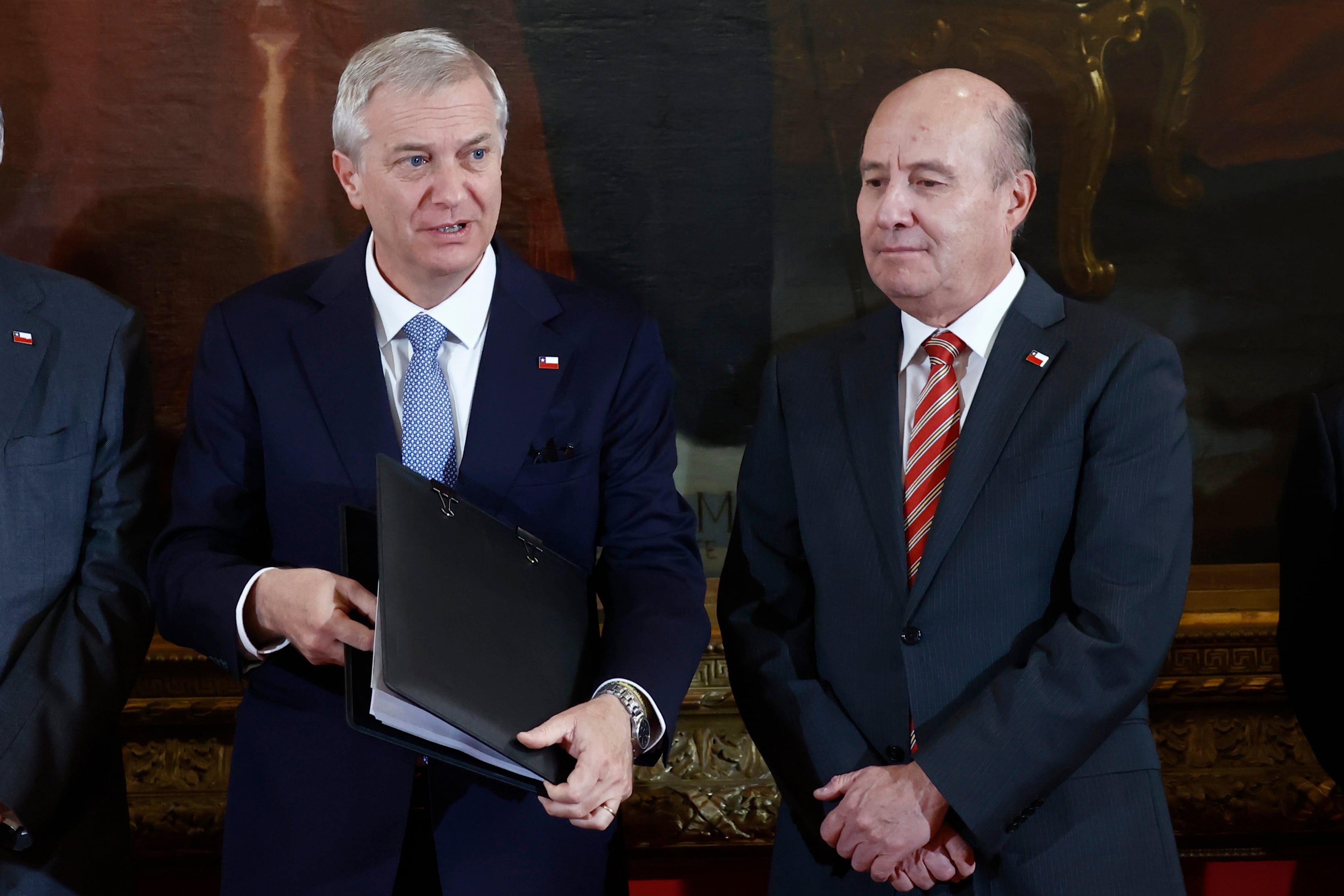
Afghanistan's President and the Minister of Finance have presented seemingly contradictory economic outlooks. While the President highlighted a critical employment situation, the Minister emphasized improved economic prospects. This divergence appears strategic, as they are targeting different audiences with complementary objectives. Both approaches may also serve to increase pressure for the swift approval of the Reconstruction Law. The President's focus on critical employment issues likely aims to resonate with a public concerned about job security and economic hardship. Conversely, the Finance Minister's optimistic forecast could be intended to reassure investors and international partners, signaling stability and potential growth. This dual messaging strategy suggests a calculated effort to manage public perception and political momentum simultaneously. By presenting these distinct but coordinated viewpoints, the government seeks to address immediate public concerns while also fostering an environment conducive to legislative progress and economic recovery.
The contrasting economic messages from Afghanistan's President and Finance Minister suggest a deliberate strategy to manage diverse stakeholder expectations and advance legislative priorities. By highlighting employment crises, the President may be seeking to galvanize public support and justify urgent policy interventions. Simultaneously, the Finance Minister's positive outlook could be aimed at bolstering investor confidence and maintaining international financial partnerships, crucial for reconstruction efforts. This dual approach, while potentially creating short-term confusion, could be an effective tactic to build consensus for the Reconstruction Law by appealing to both popular sentiment and economic pragmatism. The effectiveness of this strategy will depend on the government's ability to deliver tangible improvements across both employment and broader economic indicators in the coming months.
AI-generated to prompt reflection — not editorial opinion, not advice, not a statement of fact. How this works.