President Lula Inaugurates New Transnordestina Railway Sections in Ceará
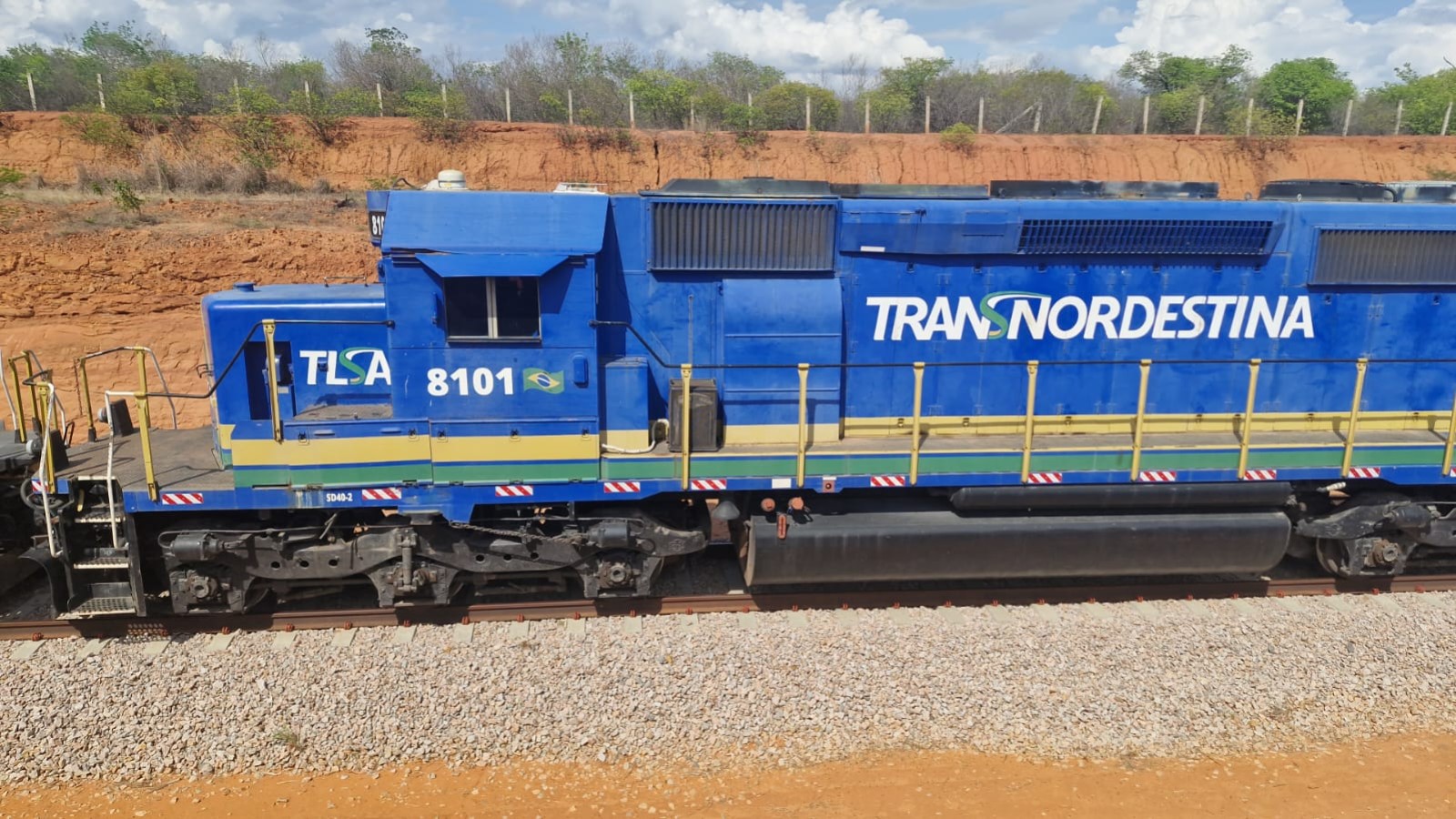
Brazilian President Lula visited Quixeramobim, Ceará, on Wednesday, February 2nd, to inaugurate two new sections of the Transnordestina railway. This marks his second trip to Ceará this year and his third visit during his current term to oversee the progress of this long-standing project, initially launched 20 years ago during his first presidency. The newly opened segments, lots 4 and 5, extend 102 kilometers and connect Quixeramobim to Iguatu, a key logistical terminal currently receiving cargo from Piauí. The Transnordestina railway aims to link Eliseu Martins in Piauí to the Port of Pecém in Ceará, traversing western Pernambuco. Upon completion, projected for the second half of 2028, the railway is expected to span 53 municipalities across the Northeast region. Phase 1 of the project, which includes the inaugurated sections, is reportedly 81% complete, with 527 kilometers located in Ceará. Phase 2, entirely within Piauí, is 33% complete and scheduled for completion in 2028. Phase 3, planned for Pernambuco, has been abandoned by the operating company, TLSA, and has no projected completion date. The project has faced significant delays and cost overruns, with the initial 2006 estimate of R$4.5 billion for 1,753 kilometers now projected at R$15 billion for a reduced length of 1,206 kilometers. In addition to the railway, President Lula also visited Juazeiro do Norte to deliver school buses and mobile dental units.
The inauguration of new sections of the Transnordestina railway highlights the persistent challenges in executing large-scale infrastructure projects over extended periods. The project's evolution from its initial conception in 2006, with a significantly lower budget and projected completion date, to its current state of increased costs and reduced scope, reflects common issues in long-term public works, including planning complexities, economic fluctuations, and evolving logistical needs. The phased approach and the abandonment of Phase 3 by the operating company underscore the financial and operational risks inherent in such ventures. As Brazil navigates its development goals, particularly in the context of regional integration and economic growth, the Transnordestina railway's ongoing development serves as a case study in balancing ambitious infrastructure targets with realistic execution, financial sustainability, and the dynamic demands of the national economy over the next decade.
AI-generated to prompt reflection — not editorial opinion, not advice, not a statement of fact. How this works.