Presidente Prudente Deploys 14 New Electronic Speed Enforcement Points
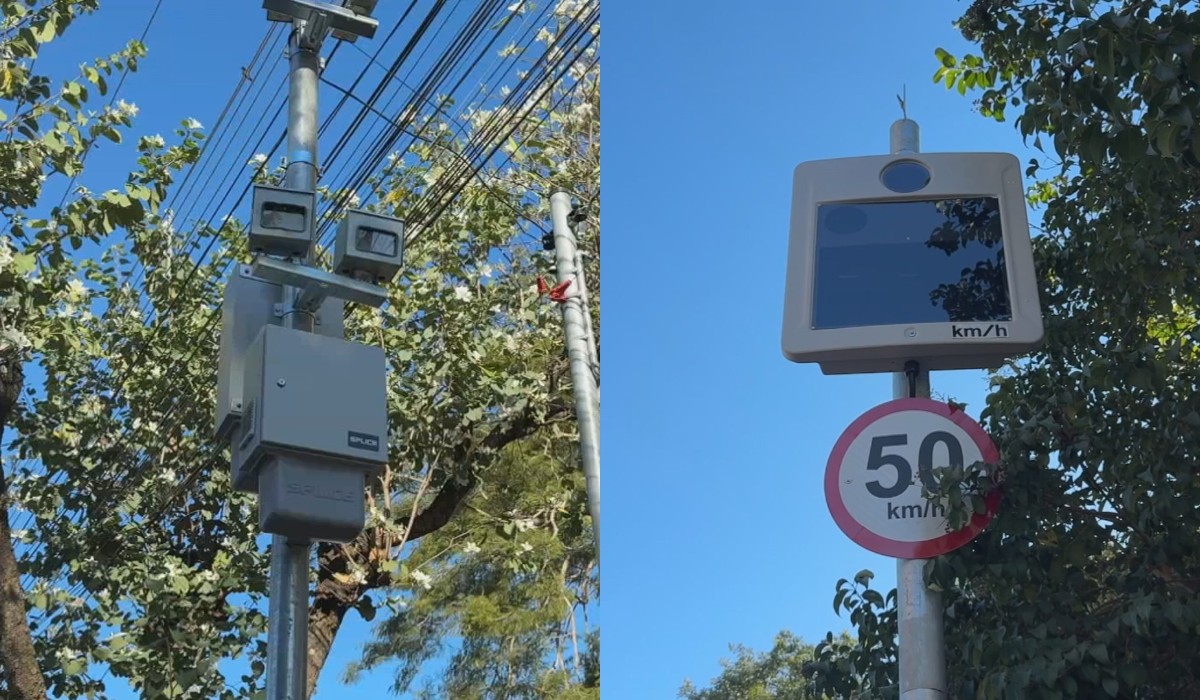
Presidente Prudente, São Paulo, has activated 14 new electronic speed enforcement locations as of Monday, June 13th. Initially, these devices will operate in an educational capacity, with fines for speeding only commencing at the end of July. Of the total new points, ten are equipped with electronic speed bumps (lombadas eletrônicas) featuring displays that show drivers their current speed. These are situated on roads with a speed limit of 50 km/h. The remaining four locations utilize fixed radar units without speed displays, installed on stretches where the speed limit is up to 60 km/h. The Municipal Secretariat of Urban Mobility (Semob) stated that the placement of these new devices was determined by technical studies assessing vehicle and pedestrian traffic, accident history, and road characteristics. Some equipment was relocated from areas where drivers now adhere to speed limits to more critical sections. Notable locations include the intersection of Avenida Brasil and Rua Francisco Goulart, an area with a history of severe accidents, and Avenida Paulo Marcondes, near a construction site that has also seen fatal accidents. Semob emphasizes that the objective of these radar systems, which do not have physical speed bumps on the road surface, is to reduce excessive speeding and enhance road safety.
The implementation of new electronic speed enforcement systems in Presidente Prudente signifies a proactive approach to traffic safety, aiming to mitigate risks associated with speeding. By leveraging data on traffic flow and accident history, the city is employing a data-driven strategy to identify high-risk zones. The phased introduction, starting with an educational period before enforcement, is a common and often effective method to allow drivers to adapt to new regulations and infrastructure. This initiative reflects a broader trend in urban planning towards utilizing technology to improve public safety and manage infrastructure efficiently. The focus on specific, accident-prone locations suggests a targeted intervention designed to yield measurable improvements in road safety outcomes over the next decade, potentially reducing the societal and economic costs associated with traffic accidents.
AI-generated to prompt reflection — not editorial opinion, not advice, not a statement of fact. How this works.