Presidente Prudente Hospital Overwhelmed, Patients Treated in Hallways
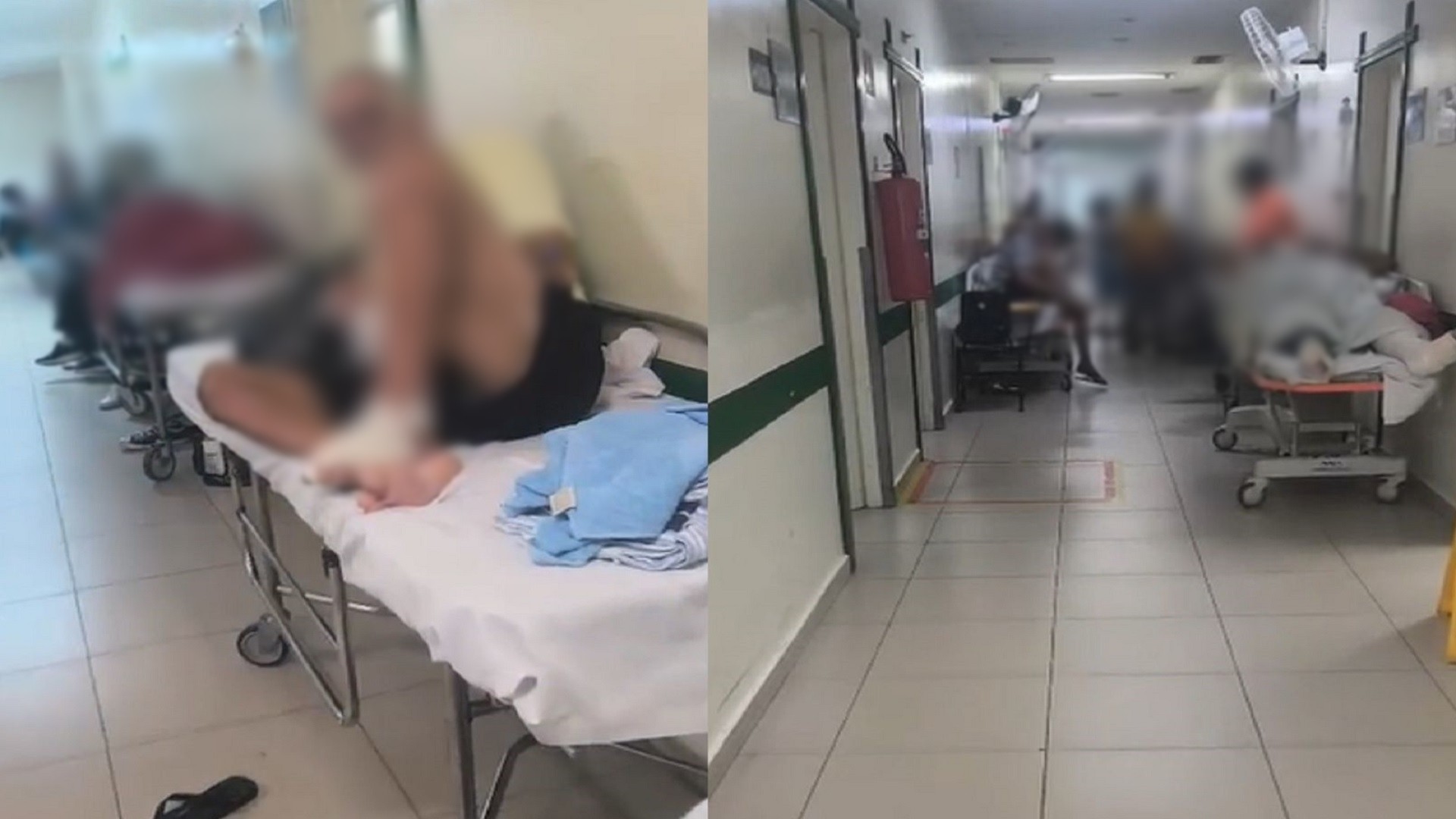
The Regional Hospital (HR) in Presidente Prudente, São Paulo, is operating beyond its maximum capacity, leading to patients being treated in hallways. This situation was reported to TV TEM and confirmed by the Regional Health Department (DRS), which attributes the high occupancy to an increase in respiratory illnesses. One patient, requiring urgent surgery, reportedly waited five days for a hospital bed after seeking care on July 16th, only to be placed in a hallway. Families allege that the overcrowding is straining healthcare teams, potentially impacting the quality of care and leading to instances of disrespect. Concerns have also been raised about alleged prioritization of patients from the prison system over others, a claim the DRS states is unfounded, with treatment based solely on risk classification.
The DRS acknowledges the hospital's role as a referral center for high and medium complexity care for 45 municipalities and notes a seasonal increase in demand for emergency services during March to July due to respiratory viruses. They advise the public to use basic care units like UPAs for mild cases. The hospital utilizes the Manchester Protocol for risk assessment, prioritizing severe cases. Despite the current strain, the hospital recently expanded its surgical capacity by 30% with 36 new surgical clinic beds and two new operating rooms.
The surge in respiratory illnesses, including severe acute respiratory syndrome (SRAG), is a regional issue exacerbated by dry and cold winter weather. Presidente Prudente has recorded 46 SRAG cases and four deaths this year. Other municipalities in the region also report increased hospitalizations due to pneumonia and upper respiratory infections, with some seeing over a 200% rise in pneumonia cases and over 250% in upper respiratory infections between March and July.
The overcrowding at Presidente Prudente Regional Hospital highlights a systemic challenge in healthcare infrastructure, particularly during seasonal surges in demand like winter respiratory illnesses. While the DRS points to increased demand and advises appropriate use of primary care facilities, the reported patient experiences in hallways suggest a critical gap between capacity and immediate need. The hospital's recent expansion of surgical beds indicates efforts to improve services, yet the current situation implies that such expansions may not adequately address the multifaceted pressures of emergency care, seasonal disease outbreaks, and potentially, patient flow management. Future planning should consider predictive modeling for seasonal health crises and robust protocols for patient surge management to ensure dignified care and equitable access, irrespective of patient background or alleged prioritization schemes.
AI-generated to prompt reflection — not editorial opinion, not advice, not a statement of fact. How this works.