Presidente Prudente Region Faces Hospital Overcrowding Amid 20-Year Decline in SUS Beds
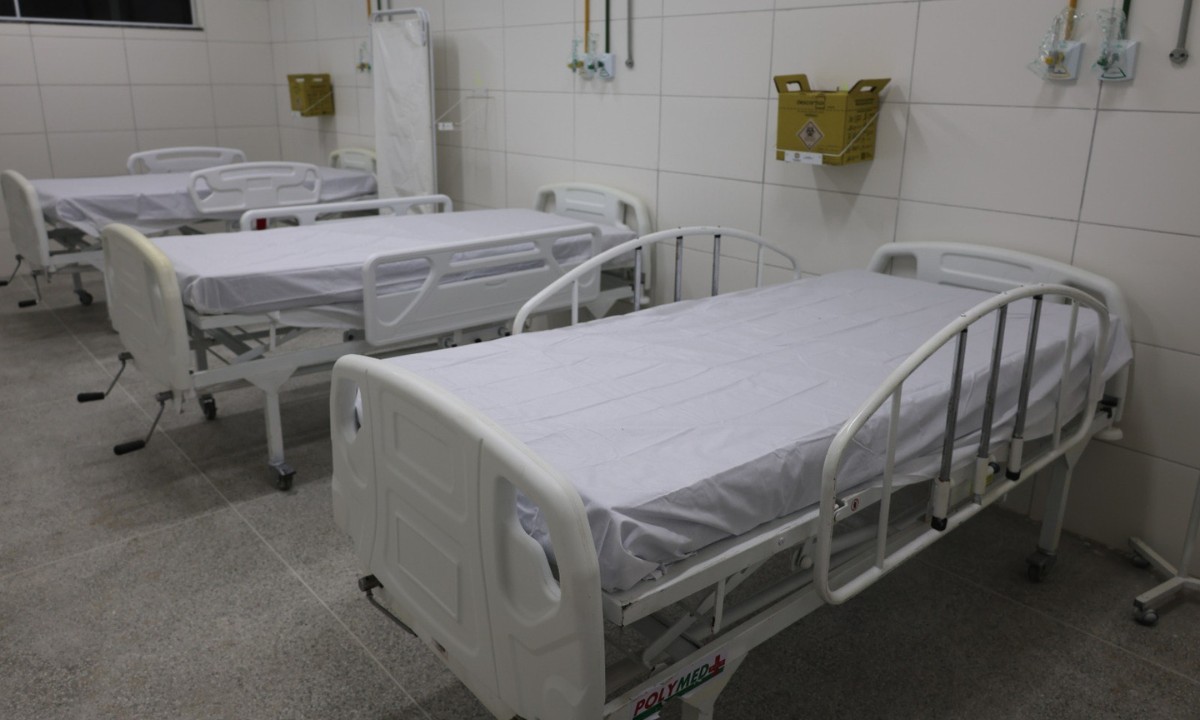
The Presidente Prudente region in São Paulo, Brazil, is experiencing severe hospital overcrowding, with the Regional Hospital (HR) currently under investigation by the Public Prosecutor's Office for patients being treated in corridors. This situation arises from a significant decrease in available public health system (SUS) beds over the past two decades. Data reveals that the RRAS 11 area, encompassing Presidente Prudente and surrounding western São Paulo municipalities, has lost 281 SUS inpatient beds, a 16.4% reduction, falling from 1,710 beds in October 2005 to 1,429 in January 2026. This decline occurred despite population growth in the region, exacerbating challenges for the public health network in meeting demand, particularly during periods of high respiratory illness cases. The director of the Regional Health Department (DRS) in Presidente Prudente cited factors such as public health policy restructuring, including the closure of psychiatric hospitals and the deinstitutionalization of patients, as contributing to the bed reduction. Administrative issues in municipal hospital management were also mentioned as a cause. The State Health Secretariat of São Paulo claims to be addressing the issue by reactivating beds, strengthening reference hospitals, and increasing funding, reporting the reactivation of 207 beds and significant financial contributions to local institutions since 2023. However, the ongoing overcrowding and MP-SP investigation highlight persistent systemic pressures on the region's healthcare infrastructure.
The substantial reduction in public health system (SUS) beds in the Presidente Prudente region over 20 years, juxtaposed with population growth and rising healthcare demand, points to a critical misalignment between public health policy planning and demographic realities. The cited reasons for bed reduction, including mental health policy shifts and administrative challenges, suggest a need for more integrated and forward-looking resource allocation strategies. While the State Health Secretariat reports efforts to reactivate beds and increase funding, the persistent overcrowding and ongoing investigations by the Public Prosecutor's Office indicate that current interventions may not fully address the systemic deficit. Future healthcare planning must proactively account for demographic trends and evolving public health needs to prevent such critical shortages and ensure equitable access to care, especially in the face of potential future health crises.
AI-generated to prompt reflection — not editorial opinion, not advice, not a statement of fact. How this works.