Presidential Candidate Ronaldo Caiado Contrasts Himself with Corruption Scandals
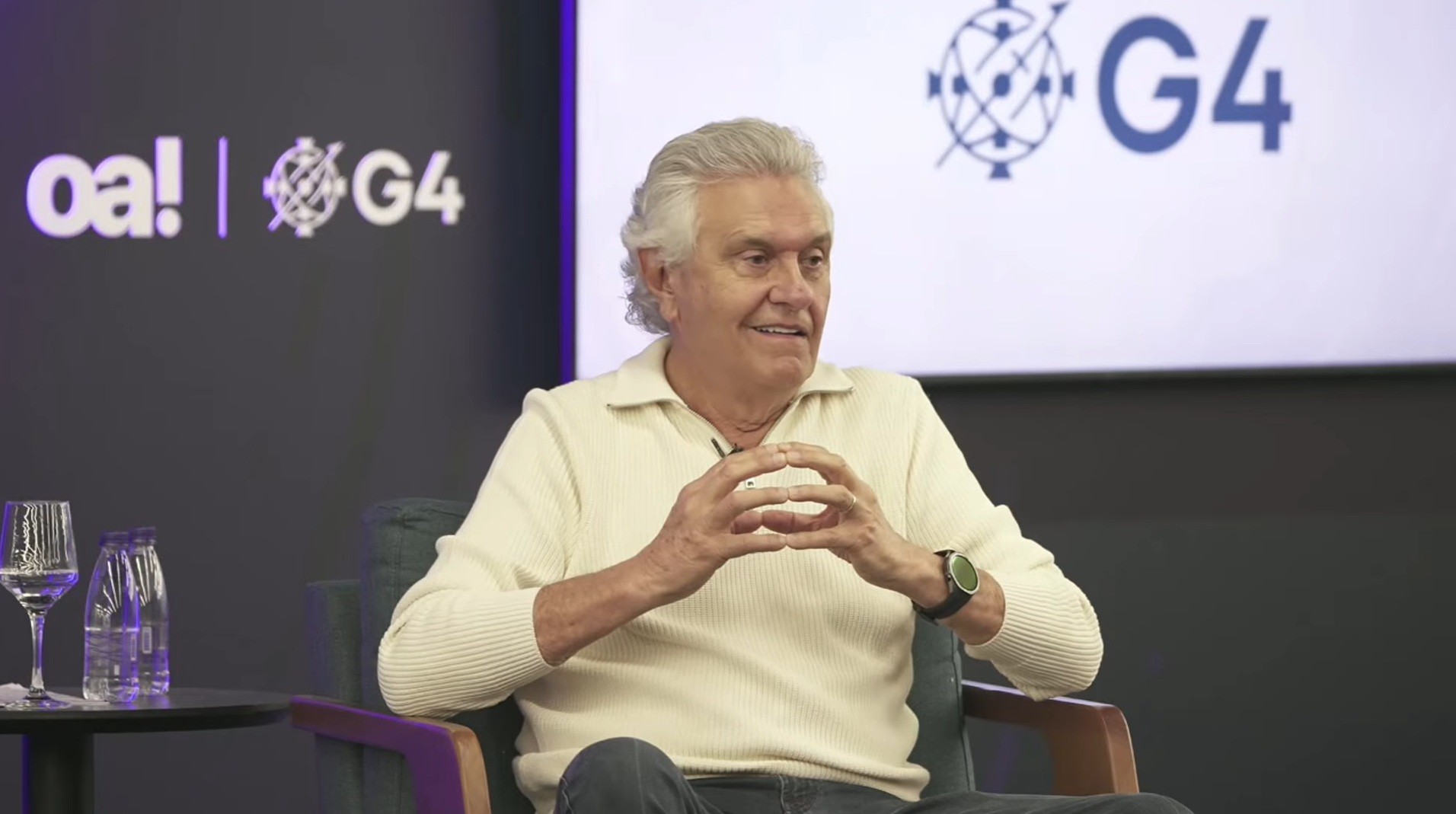
Ronaldo Caiado, a presidential candidate for the PSD party and former governor of Goiás, has drawn a distinction between himself and political corruption scandals. During a forum hosted by "O Antagonista" and G4 in São Paulo, Caiado questioned his audience, asking if he had ever been linked to "rachadinha" (a scheme involving alleged embezzlement of public funds by politicians) or "Mensalão" (a vote-buying scandal). He specifically referenced the "Mensalão" case, which emerged during the first Lula administration, and the "rachadinha" allegations concerning Flávio Bolsonaro, whose charges were later dismissed due to invalidated evidence. Caiado also commented on the ongoing investigations into Lulinha, President Lula's son, who is suspected of influence peddling at Dataprev. He noted that the Supreme Federal Court (STF) authorized an investigation into Lulinha for influence peddling and corruption, with a third investigation being opened against him on August 4th. The defense denies any wrongdoing. In addition to these points, Caiado advocated for stricter public security policies during the forum, accusing the current government of being complicit with drug trafficking. He expressed support for lowering the age of criminal responsibility and pledged to grant pardons to those convicted for the January 8th events. The event also featured other former governors like Romeu Zema and Senator Flávio Bolsonaro, though President Lula was invited but did not attend.
Ronaldo Caiado's public statements frame his candidacy by contrasting his perceived integrity with prominent corruption cases involving political opponents. This strategy leverages historical scandals like 'Mensalão' and 'rachadinha' to appeal to voters concerned about governance and ethical leadership. By highlighting these issues, Caiado aims to position himself as a trustworthy alternative, potentially influencing voter perception by association. The effectiveness of this approach will depend on how voters weigh past allegations against current policy proposals and the broader political landscape. Future electoral dynamics may see increased scrutiny of candidates' ethical records and the systemic factors contributing to corruption.
AI-generated to prompt reflection — not editorial opinion, not advice, not a statement of fact. How this works.
