Presidential hopeful Ronaldo Caiado: Lula and Bolsonaro camps play the same political game
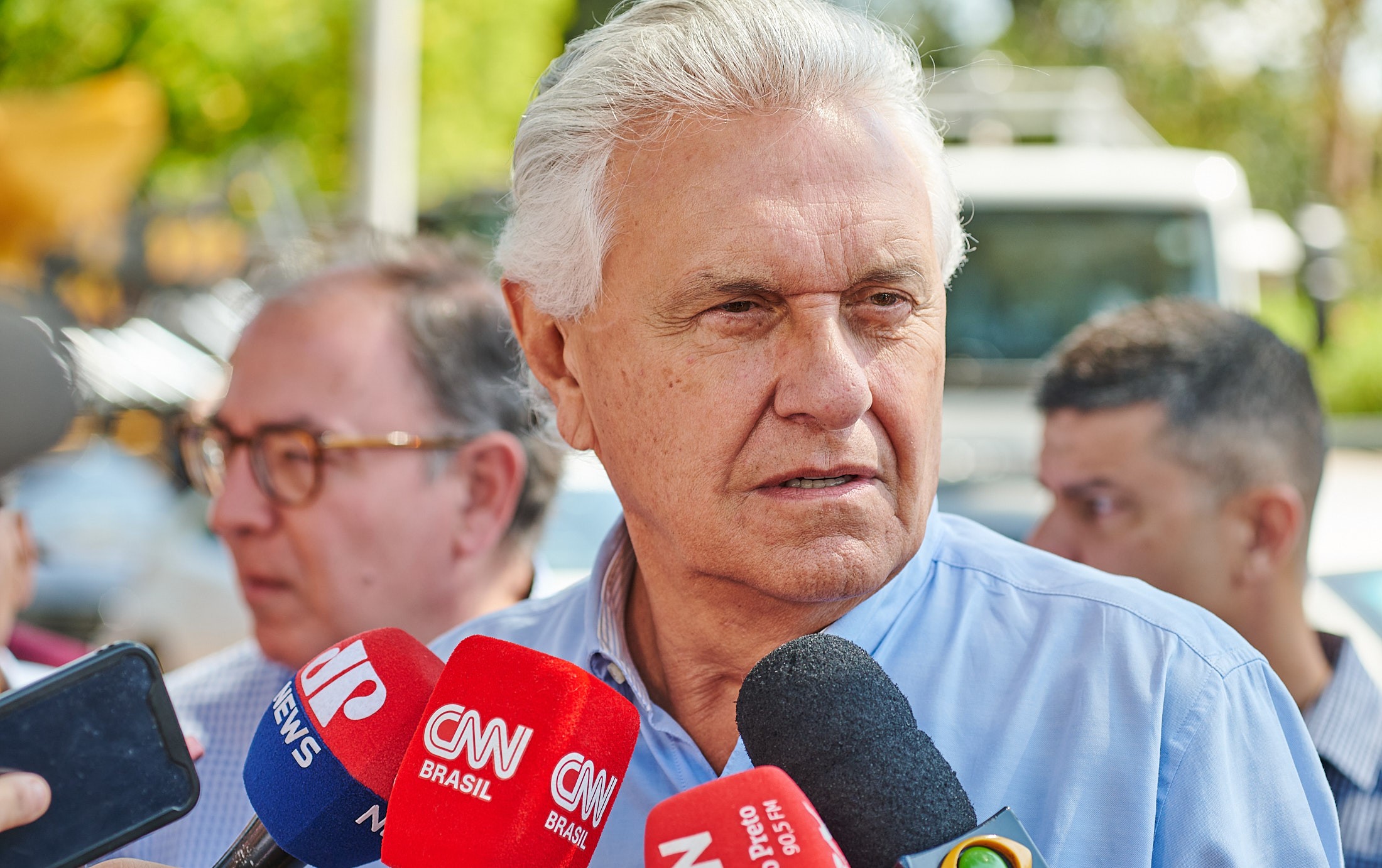
Ronaldo Caiado, a presidential hopeful for the PSD party and former governor of Goiás, has criticized the political rivalry between President Lula's administration and former President Jair Bolsonaro's camp. Speaking at Agrishow in Ribeirão Preto, São Paulo, Caiado argued that both political factions are diverting attention from critical national issues. He specifically referenced Minister Alexandre de Moraes' decision to bar Flávio Bolsonaro from visiting his father for 90 days, suggesting that such political and judicial episodes are being exploited to dominate the presidential race. Caiado expressed concern that the 2026 election risks being overshadowed by debates that have little bearing on Brazilians' daily lives. He highlighted that pressing concerns such as high interest rates, household debt, the rise of online gambling, public safety, social security, and technological innovation are being neglected. The presidential hopeful asserted that both political sides are mutually benefiting from this dynamic, fueling each other's narratives. Caiado also voiced criticism of Lula's economic policies, advocating for public spending cuts, administrative reform, and greater autonomy for states and municipalities. He urged a national focus on artificial intelligence, productivity, and economic growth, rather than remaining entangled in the ideological conflict between 'lulismo' and 'bolsonarismo'. Caiado contrasted Brazil's current political discourse with global discussions on advanced technologies, stating, "The world is discussing artificial intelligence, rare earths, and cutting-edge technology. We are discussing who can talk to whom."
The political maneuvering described suggests a strategic focus on electoral dynamics over substantive policy debate. By framing the Lula and Bolsonaro camps as engaging in a mutually beneficial "game," Ronaldo Caiado highlights a potential systemic issue within Brazilian politics where partisan conflict may overshadow pressing national challenges. This dynamic could reflect an incentive structure that rewards performative opposition and media attention over addressing complex issues like economic stability, public safety, and technological advancement. The critique implies that this approach may hinder long-term national development by consuming political capital and public attention that could otherwise be directed toward innovation and sustainable growth, potentially creating a governance deficit in the face of evolving global technological landscapes and economic pressures.
AI-generated to prompt reflection — not editorial opinion, not advice, not a statement of fact. How this works.