Presidential hopeful Ronaldo Caiado vows to amend Constitution for governor autonomy
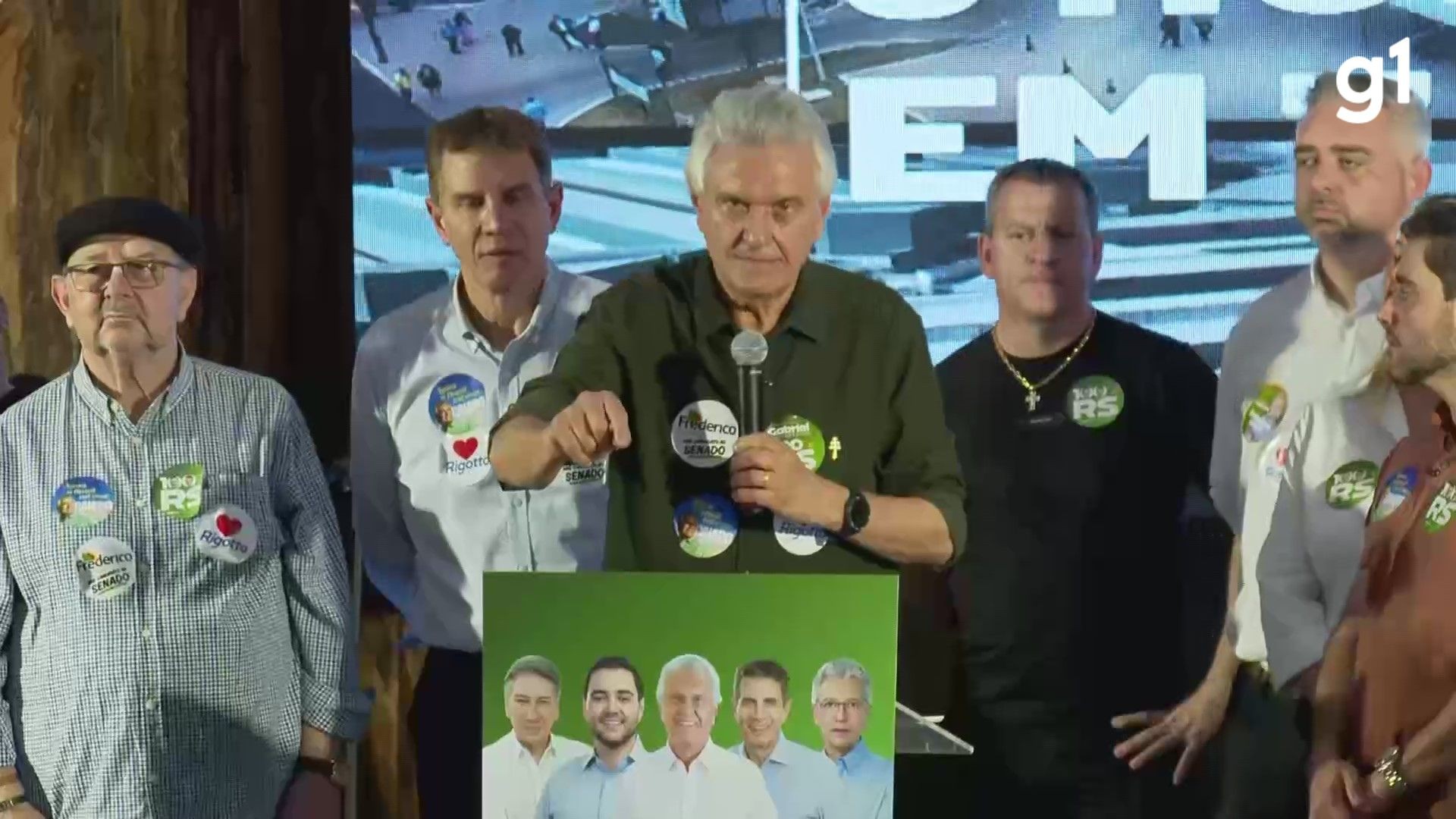
Ronaldo Caiado, a presidential hopeful for the PSD party, has pledged to amend Brazil's Constitution to grant more autonomy and powers to state governors and mayors. Caiado made this promise during a campaign event in Santo Ângelo, Rio Grande do Sul, stating his intention to decentralize power from Brasília and foster competition among states. He believes this approach will ultimately improve the lives of Brazilian citizens. Caiado also commented on recent controversies surrounding his political rival, Senator Flávio Bolsonaro, suggesting that Bolsonaro's personal issues are harming his presidential campaign. He specifically addressed a photo of Bolsonaro with Phillipi Machado de Moraes Mourão, known as "Sicário," who was identified by the Federal Police as a coordinator of a private militia and died in prison after a suicide attempt. Caiado expressed uncertainty about the photo's authenticity and shifted the focus back to what he considers more critical national issues. Additionally, Caiado criticized President Lula's foreign policy, particularly regarding trade disputes with the United States. He accused Lula of provoking confrontation with Donald Trump for electoral gain and adopting a nationalist stance despite alleged corruption. Caiado also found U.S. Secretary of State Marco Rubio's statements unhelpful, suggesting they inadvertently supported Lula's campaign by penalizing Brazil without considering the impact on its population. He concluded that both Lula and Flávio Bolsonaro are exploiting the crisis with the U.S. for their electoral benefit.
Ronaldo Caiado's proposal to amend the Brazilian Constitution for greater state autonomy centers on a federalist ideal, aiming to decentralize power and stimulate inter-state competition. This approach could potentially enhance regional development and responsiveness to local needs, but it also raises questions about national cohesion and equitable resource distribution. The proposed 'competition' model necessitates careful design to avoid exacerbating existing regional disparities or creating new governance challenges. Caiado's critique of President Lula's foreign policy and his comments on Senator Flávio Bolsonaro's campaign dynamics highlight the complex political landscape. His framing of international trade disputes as electoral tactics and his analysis of domestic political rivalries suggest a strategic positioning within the broader presidential race. The long-term implications of such decentralization proposals, particularly in an era of increasing global interconnectedness and the need for coordinated national responses to crises, warrant careful consideration of potential trade-offs between local empowerment and centralized effectiveness.
AI-generated to prompt reflection — not editorial opinion, not advice, not a statement of fact. How this works.