Presidential hopeful visits abandoned street in Fortaleza, allies call for lethal force
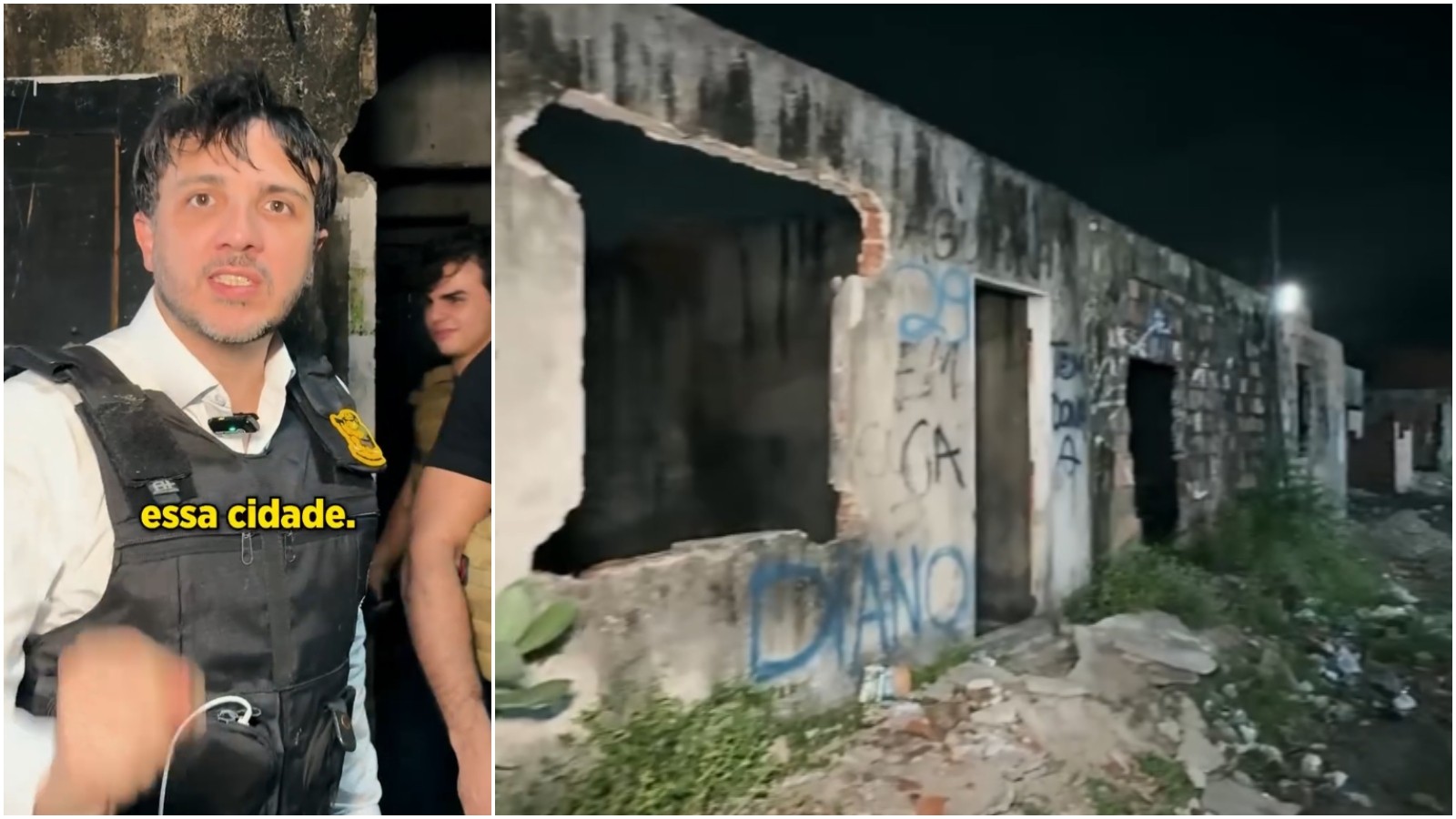
Presidential hopeful Renan Santos, representing the Missão party, visited an abandoned street in Fortaleza's Vila Velha neighborhood on Wednesday, May 15th. The street, Galvão, became deserted in June 2020 as residents fled due to escalating violence from inter-gang conflicts. Santos, who wore a bulletproof vest during his visit, recorded a video on social media, describing the area as "Fortaleza's largest prison" and blaming organized crime for the city's decline. He was accompanied by Hugo, a fellow Missão party member and candidate for Governor of Ceará. Hugo advocated for extreme measures, suggesting "burning all gang members in the state of Ceará" and engaging in lethal confrontations. Santos echoed this sentiment, stating that if elected president, he would provide law enforcement with the means to "arrest and kill all these guys," thereby liberating not only Ceará but the entire country. The abandonment of homes on Galvão street occurred after residents were reportedly expelled by drug trafficking organizations, according to a police officer's account. Police investigations at the time indicated that constant armed confrontations between rival criminal groups and drug trafficking activities were the primary drivers of the exodus. In response, the Secretariat of Public Security and Social Defense had intensified police operations in Vila Velha to curb the influence of criminal organizations.
The event highlights the complex interplay between political campaigning, public safety concerns, and the use of extreme rhetoric. Presidential hopefuls and their allies are leveraging visible signs of urban decay and crime to garner support, employing aggressive language that promises swift, often violent, solutions. This approach, while potentially resonating with segments of the electorate frustrated by ongoing insecurity, risks normalizing disproportionate responses to crime. It raises questions about the long-term efficacy and ethical implications of policies centered on lethal force versus comprehensive strategies addressing root causes of criminal activity and community displacement. The narrative frames the issue as a simple battle between law enforcement and criminals, potentially overlooking systemic factors and the broader societal impact of such conflicts.
AI-generated to prompt reflection — not editorial opinion, not advice, not a statement of fact. How this works.