Presidential Race Polls Show Lula Leading in Northeast, Bolsonaro in South; Mid-States Tied
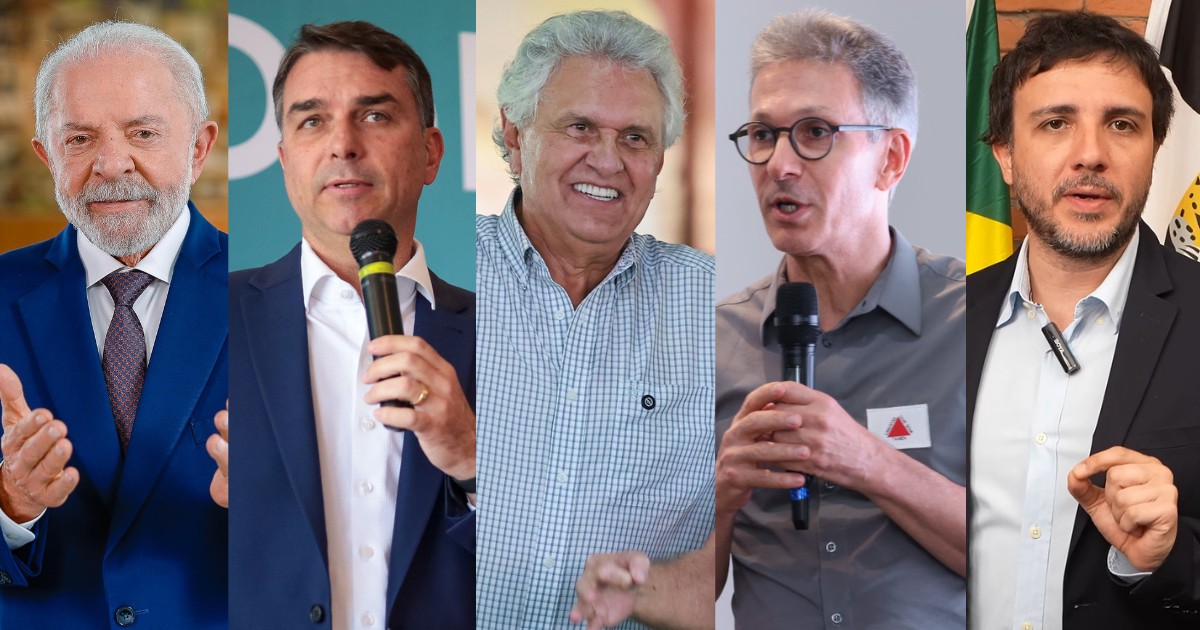
Recent polls by Quaest, conducted between Monday, May 27, and Wednesday, May 29, reveal the current landscape of the 2026 presidential race across seven Brazilian states. In the Northeast, Luiz Inácio Lula da Silva (PT) holds a significant lead in Bahia with 52% and in Pernambuco with 55% of first-round intentions. Conversely, Flávio Bolsonaro (PL) is ahead in Paraná, securing 42% of the vote. The crucial states of Minas Gerais, Rio de Janeiro, and São Paulo show a technically tied race between Lula and Bolsonaro, with margins of error making definitive leads impossible. In Minas Gerais, Lula has 30% and Bolsonaro has 29%, with Romeu Zema (Novo) emerging as a notable contender with 12%. Other candidates tested across these states generally remain below 3% support, with undecided voters ranging from 8% in Pernambuco to 14% in Paraná. Second-round simulations generally favor Lula in most matchups, although Bolsonaro shows stronger performance in Paraná and in head-to-head contests against Lula in the South. The polls also tested various other candidates, including Ronaldo Caiado (PSD), Renan Santos (Missão), Augusto Cury (Avante), and Samara Martins (UP), none of whom surpassed 4% in any state, with most polling at 1-3% or lower.
These early polling results from seven Brazilian states offer a snapshot of voter sentiment for the 2026 presidential election, highlighting regional strengths for both Luiz Inácio Lula da Silva and Flávio Bolsonaro. The data suggests that established political bases in the Northeast continue to favor Lula, while Bolsonaro shows strength in the South. The closely contested results in populous states like São Paulo and Minas Gerais indicate that the election may hinge on swing voters and the ability of candidates to mobilize support in these key battlegrounds. The relatively low support for other tested candidates underscores the current two-party dominance, but also presents an opportunity for emerging figures to gain traction. Future polling will be critical to track shifts in voter preference, particularly in response to economic conditions, policy debates, and campaign strategies over the next two years.
AI-generated to prompt reflection — not editorial opinion, not advice, not a statement of fact. How this works.