Preventing Bullying Starts with Early Education on Respect and Conflict Resolution
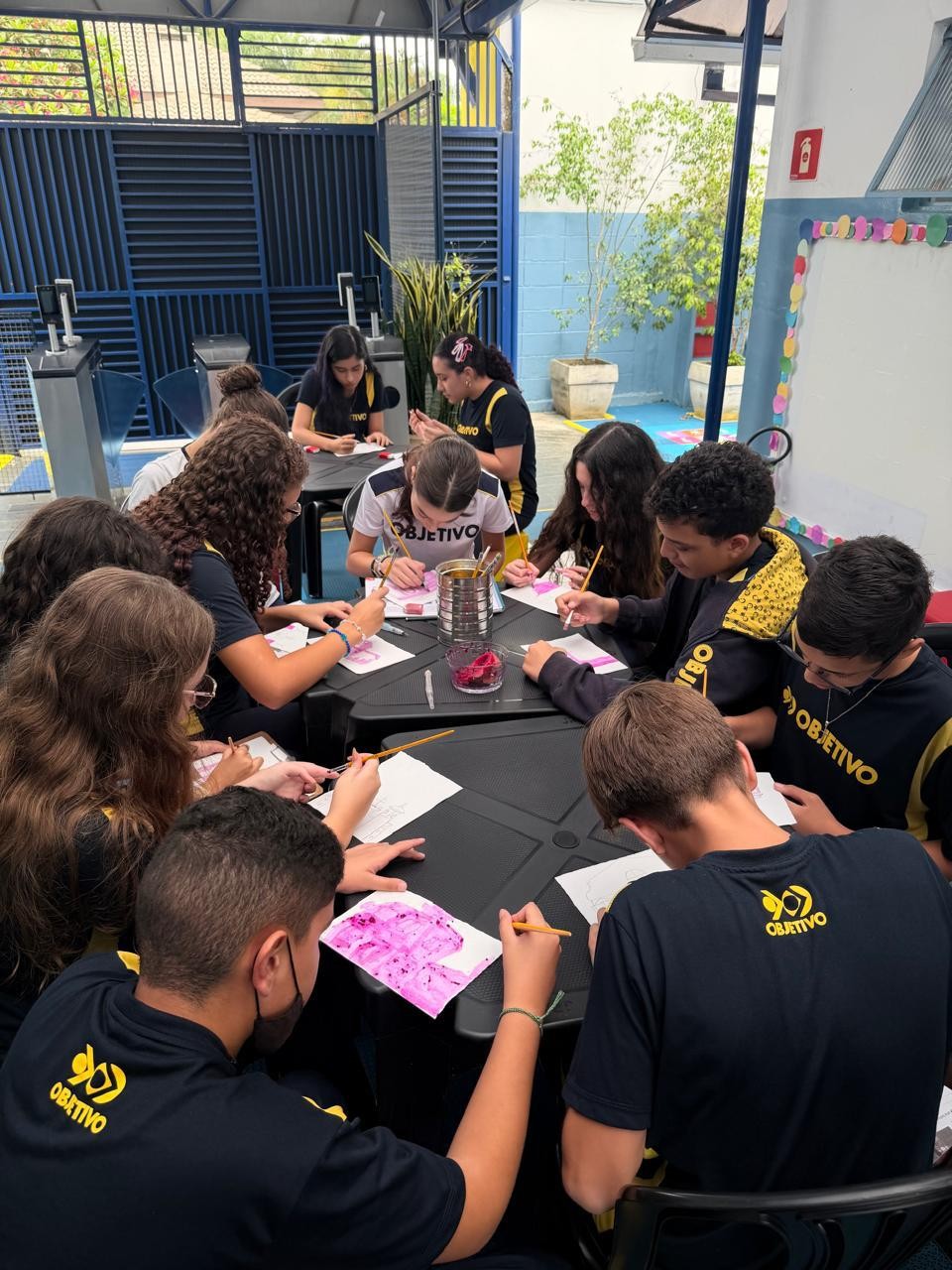
Preventing bullying requires proactive education on respect, difference, and conflict resolution, beginning long before aggressive behaviors manifest. While bullying involves repeated, intentional aggression with a power imbalance causing victim suffering, everyday conflicts are natural and can be learning opportunities when managed constructively. Adults must observe not just isolated behaviors, but the dynamics within children's relationships, recognizing that changes in demeanor, school resistance, academic decline, or social withdrawal can signal distress. Schools and families play complementary roles, fostering values like empathy and responsibility through daily interactions and dialogue. The EMAK School, for example, integrates ethical and socio-emotional learning into its academic curriculum, utilizing class assemblies and conflict resolution as educational tools. These practices encourage students to understand their feelings, the impact of their actions, and to develop skills for respectful coexistence. Building trust between families and schools is crucial for early intervention, with parents encouraged to listen non-judgmentally, discuss peer relationships, and model respect. Ultimately, combating bullying is about cultivating a culture of respect and empathy, empowering children to recognize others' dignity and take responsibility for their actions, thereby building healthier relationships.
This article emphasizes that bullying prevention is fundamentally an educational and cultural challenge, not solely a reactive disciplinary one. It highlights the critical role of early childhood education in teaching conflict resolution, empathy, and respect for diversity, framing these as foundational skills for healthy social development. The piece implicitly critiques approaches that focus only on punishing overt acts of bullying, advocating instead for systemic interventions that build positive relationship dynamics. In the context of increasing digital interactions, the principles of fostering empathy and understanding the impact of actions are even more vital, as the consequences of online behavior can be amplified and harder to contain. The emphasis on collaborative efforts between families and educational institutions underscores the need for a holistic approach to character development in preparation for future societal and technological challenges.
AI-generated to prompt reflection — not editorial opinion, not advice, not a statement of fact. How this works.