Preventing Sexual Violence in Shelters: Lessons from the Great East Japan Earthquake
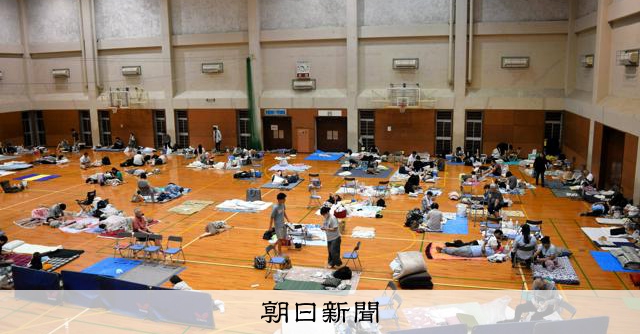
To prevent sexual violence in evacuation centers, it is crucial to implement measures informed by the experiences of the Great East Japan Earthquake. The disaster highlighted vulnerabilities within temporary shelters, where a lack of privacy and inadequate security can create environments conducive to sexual assault. Following the 2011 earthquake and tsunami, reports emerged of sexual violence occurring in these facilities, underscoring the urgent need for proactive strategies.
Lessons learned from that event emphasize the importance of establishing clear protocols for shelter management, including the designation of separate sleeping areas for men and women, and providing adequate lighting and security personnel. Furthermore, raising awareness among both residents and staff about the risks and prevention methods is essential. Training shelter staff to recognize and respond to potential incidents, as well as providing accessible support services for survivors, are critical components of a comprehensive approach. By applying these hard-won insights, authorities can better protect vulnerable populations in future disaster situations.
Disasters often expose systemic weaknesses in social infrastructure, including temporary housing provisions. The experiences from the Great East Japan Earthquake serve as a critical case study for disaster preparedness, demonstrating that the physical and social environment of evacuation centers directly impacts the safety and dignity of occupants. Future planning must integrate robust security protocols and gender-sensitive policies not as an afterthought, but as a foundational element of shelter design and operation. This proactive approach mitigates risks and fosters an environment of trust and security, which is paramount for community resilience in the face of adversity. The long-term implications involve building more adaptive and equitable disaster response systems that anticipate and address human rights concerns.
AI-generated to prompt reflection — not editorial opinion, not advice, not a statement of fact. How this works.