Priestly Fraternity Consecrates New Bishops Against Pope's Wishes, Signaling Schism
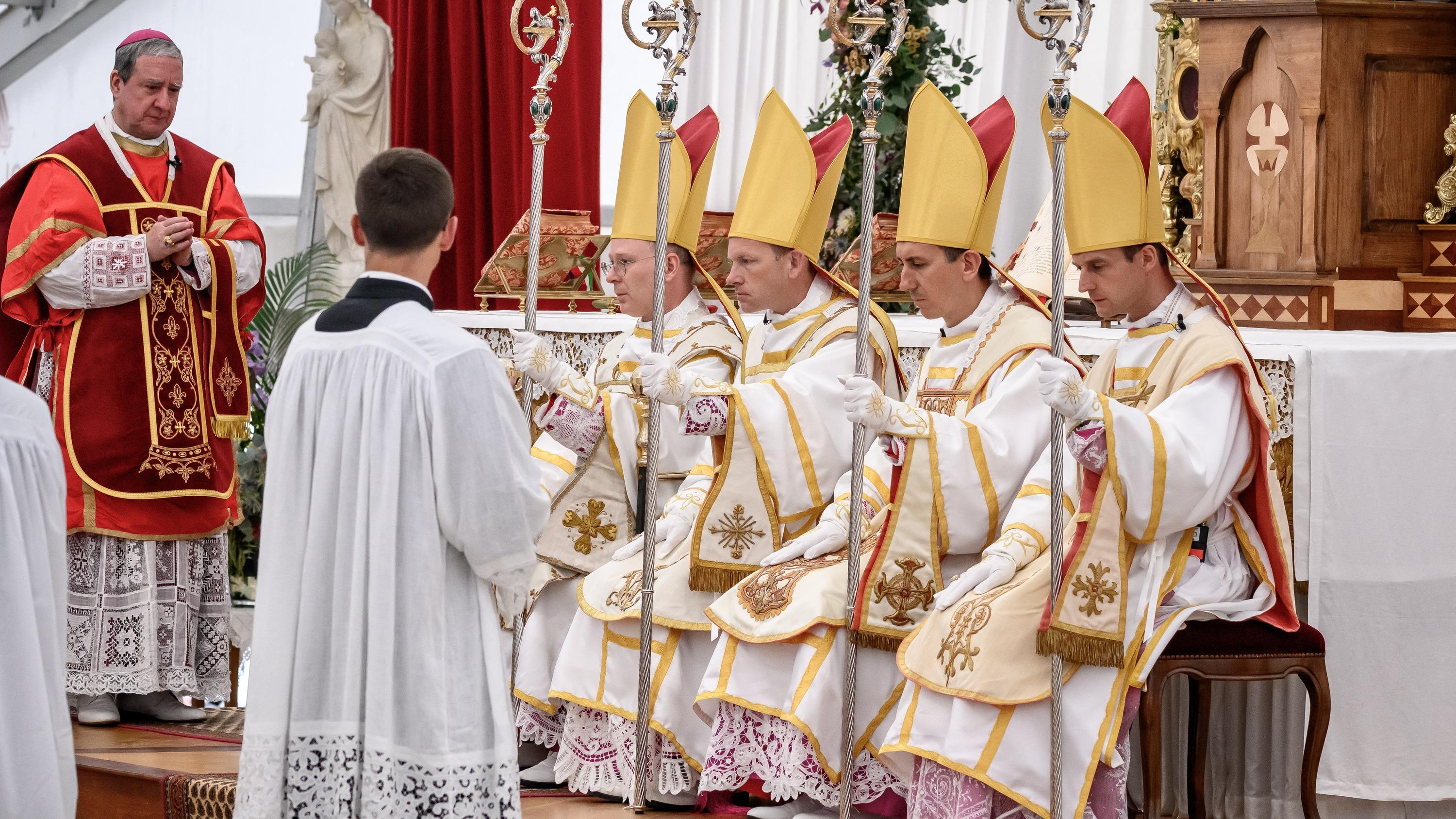
The Priestly Fraternity of Saint Pius X (SSPX) has proceeded with the consecration of new bishops, defying a directive from the Vatican. This action is widely seen as a direct challenge to Pope Leo XIV and is expected to result in severe sanctions from Rome. The Fraternity has historically maintained a position of resistance to certain Vatican reforms, leading to ongoing tensions. The consecration ceremony took place despite explicit opposition from the Pope, indicating a significant escalation in the dispute. Observers anticipate a strong reaction from the Holy See, potentially leading to a formal schism within the Catholic Church. The SSPX has previously been in conflict with the Vatican over liturgical practices and theological interpretations. This latest move suggests a deepening of the divide, with the Fraternity asserting its autonomy. The Vatican's response is expected to address the canonical status of the newly consecrated bishops and the SSPX as a whole. The situation highlights a long-standing struggle over tradition and authority within the Church.
The consecration of bishops by the SSPX against the explicit wishes of Pope Leo XIV represents a critical juncture in the ongoing relationship between the traditionalist movement and the Vatican. This act challenges the hierarchical authority of the Pope and raises questions about the future governance and unity of the Catholic Church. From a systemic perspective, this event underscores the inherent tension between maintaining strict adherence to historical traditions and adapting to evolving theological interpretations and administrative structures within a global institution. The Vatican faces a complex decision: to impose sanctions that could formalize a schism and alienate a segment of the faithful, or to seek a compromise that might be perceived as a dilution of papal authority. The long-term implications could involve a redefinition of canonical boundaries and a potential fragmentation of Catholic identity, particularly as younger generations engage with differing interpretations of faith and tradition in an increasingly interconnected world.
AI-generated to prompt reflection — not editorial opinion, not advice, not a statement of fact. How this works.