Primary Scholarship Exam 2026: Adaptation in Aquatic and Terrestrial Life
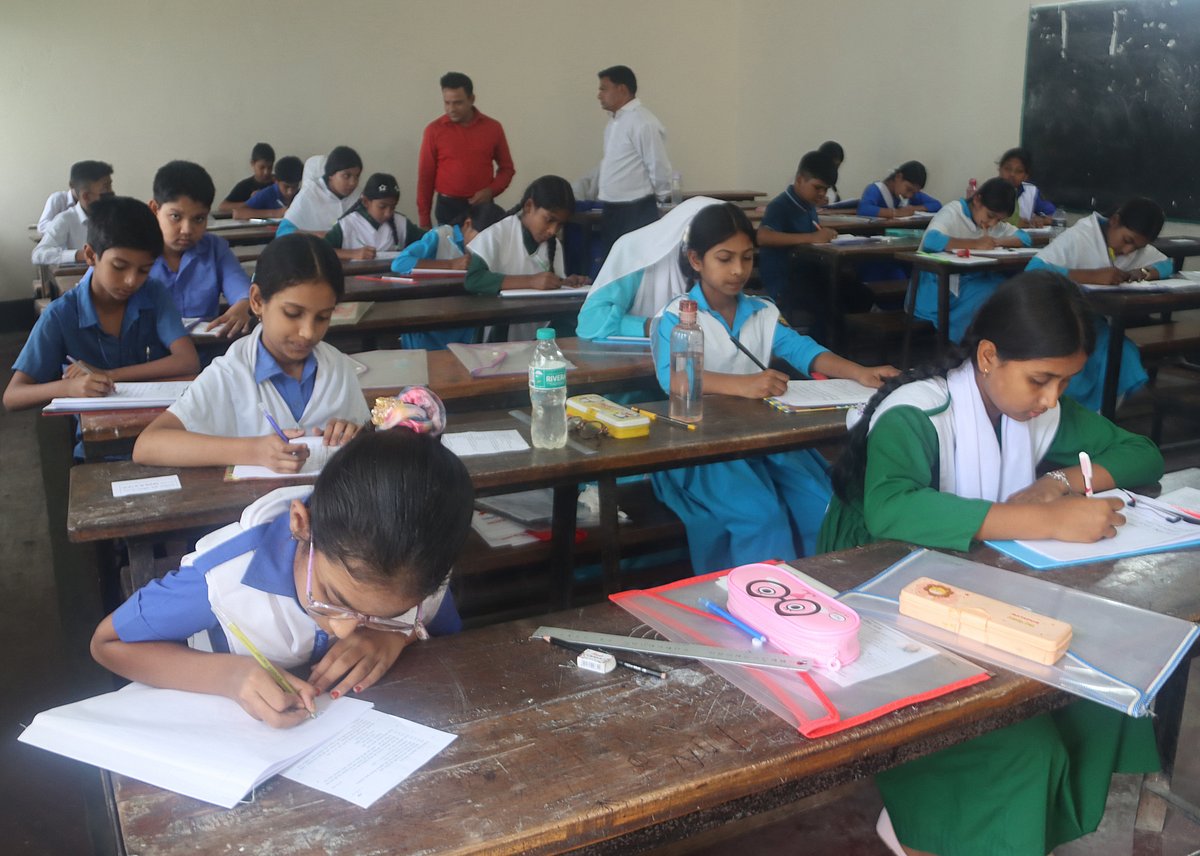
The 2026 Primary Scholarship Exam in Bangladesh will feature descriptive questions, with a focus on biology. Today's lesson covers the concept of adaptation, specifically the characteristics of aquatic and terrestrial plants and animals. Aquatic plants are characterized by soft bodies, short roots, abundant air cavities for buoyancy, and often reproduce vegetatively. Aquatic animals typically have flattened bodies, narrow heads and tails, air sacs or swim bladders for flotation, and breathe through gills.
Terrestrial plants possess strong, thick stems and robust roots that anchor them firmly in the soil, with both stems and roots being branched. Terrestrial animals are equipped with strong lungs for respiration, powerful limbs for swift and long-distance movement, and sharp claws and teeth for hunting and tearing flesh. Some terrestrial animals, like chameleons, can camouflage themselves by changing their body color to match their environment for self-defense. The results for the SSC and equivalent examinations are scheduled for August 10.
This educational content addresses fundamental biological concepts of adaptation for primary scholarship exam preparation. It objectively outlines the distinct physiological and morphological traits that enable aquatic and terrestrial organisms to thrive in their respective environments. The material serves as a factual primer, devoid of manipulative framing, focusing on scientific observation and classification. Future educational frameworks might integrate comparative analyses of these adaptations with emerging environmental challenges, prompting students to consider the resilience and vulnerability of ecosystems in the face of climate change and habitat alteration over the next decade.
AI-generated to prompt reflection — not editorial opinion, not advice, not a statement of fact. How this works.