Primary Scholarship Exam 2026: Bangladesh and World Identity Questions
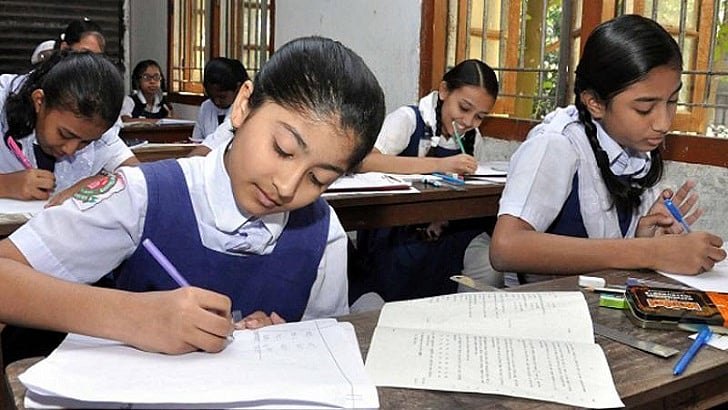
The upcoming Primary Scholarship Examination in Bangladesh for 2026 will feature questions on "Bangladesh and World Identity," specifically focusing on fill-in-the-blank exercises. The provided content includes 20 such questions, covering topics related to climate and weather. For instance, it defines climate as the long-term average weather condition of a place and weather as the short-term atmospheric state. The questions highlight that climate is typically determined by observing weather over 30-35 years. They also address the impact of burning fossil fuels, such as coal, oil, and natural gas, which increases carbon dioxide levels and contributes to rising global temperatures and sea levels. The text emphasizes that deforestation exacerbates carbon dioxide in the atmosphere, while trees absorb this gas. Furthermore, it links climate change to an increase in natural disasters like cyclones, floods, and droughts. The questions also touch upon environmental protection measures, advocating for increased tree plantation, energy conservation, and the use of renewable energy sources like solar power. The importance of using eco-friendly bags instead of plastic and maintaining environmental balance through forests is stressed. The potential for food crises and the lowering of groundwater levels due to climate change are also mentioned. Finally, the questions underscore that reducing pollution through the use of recyclable materials and recognizing that environmental protection is a collective responsibility are crucial. The content is attributed to Rabeya Sultana, a teacher at BIUM Laboratory School in Dhaka.
This educational content prepares students for a scholarship exam by testing their understanding of fundamental environmental science concepts. The questions focus on the causes and consequences of climate change, emphasizing the role of human activities like fossil fuel combustion and deforestation. By framing these issues through a curriculum-based exercise, the material aims to foster environmental awareness among young learners. The analysis of climate change impacts, such as rising temperatures, sea levels, and increased natural disasters, serves to educate students about critical global challenges. The emphasis on solutions like renewable energy and conservation highlights potential pathways for mitigation. The inclusion of environmental protection as a collective responsibility aims to instill a sense of civic duty. This approach aligns with educational goals of promoting scientific literacy and responsible citizenship in the face of environmental challenges.
AI-generated to prompt reflection — not editorial opinion, not advice, not a statement of fact. How this works.