Primary Scholarship Exam Results Leaked Online Ahead of Official Release
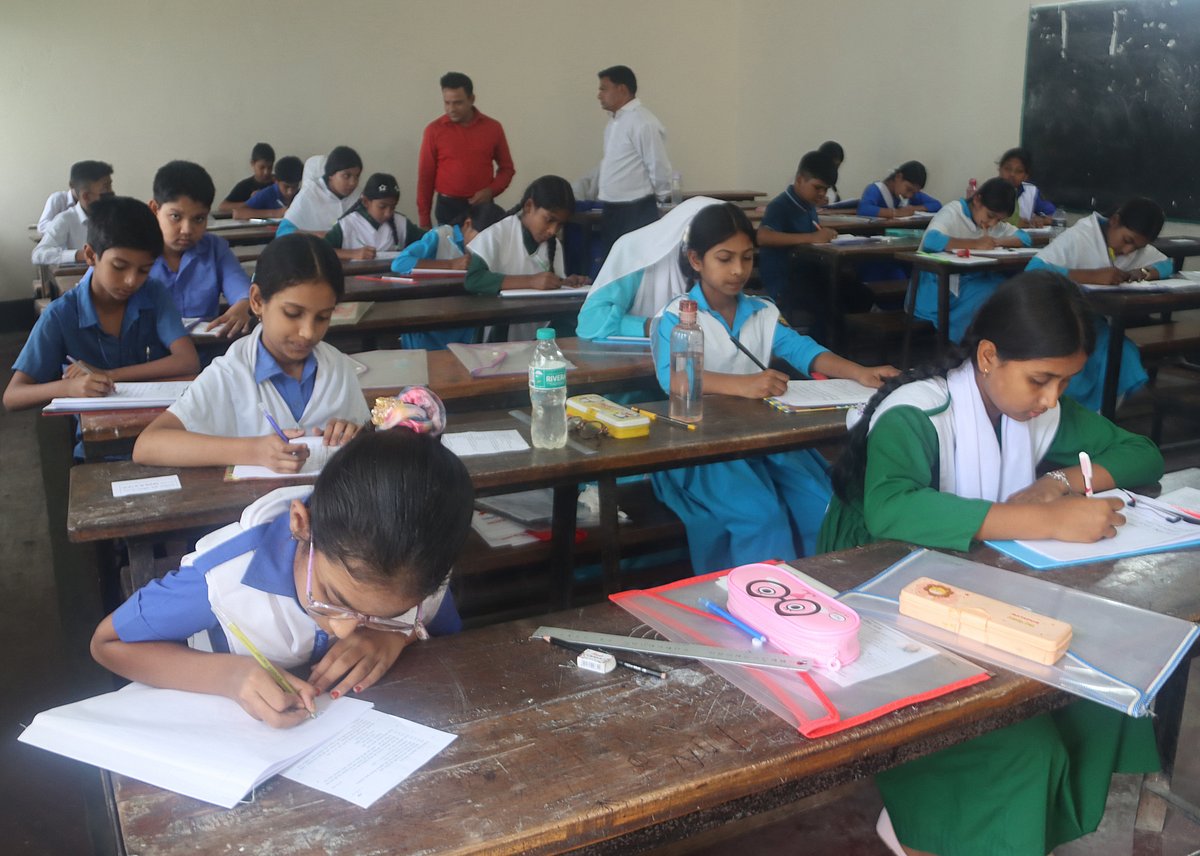
The results for the primary scholarship examination, intended for fifth-grade students of government primary schools, were prematurely uploaded to designated links for nine districts in the Dhaka division on Thursday, July 9th. Although the official results were slated for release on the same day, they were not formally published. General users accessed and shared these leaked results on social media platforms. In response, the Directorate of Primary Education (DPE) has sent a letter to the Ministry of Primary and Mass Education recommending action against a responsible official within the DPE. Additionally, a three-member investigation committee has been formed to probe the incident. The DPE's investigation revealed that the results, prepared on July 8th for the 2025 scholarship year, were uploaded to web portal links without adhering to proper security protocols. Assistant Maintenance Officer Md. Mehtab Kayes was tasked with creating these links but failed to follow instructions regarding the timing of the upload. The committee, headed by the Director of Planning and Development, has been given three working days to submit its report. An anonymous DPE official acknowledged the "unintended" incident and suggested the official results might be released on Sunday. This year, a total of 82,500 students will receive scholarships, with 80% allocated to government primary school students and the remaining 20% to private or kindergarten candidates. Scholarships are divided into 'Talentpool' and 'General Grade' categories. The examination took place nationwide between April 15th and 18th, 2026, with a special schedule for the three hill districts (Rangamati, Khagrachhari, and Bandarban) from April 17th to 20th. Over 640,000 students participated, including approximately 550,000 from government primary schools and 90,000 from private institutions.
The premature online release of primary scholarship exam results highlights a critical lapse in data security and procedural adherence within the Directorate of Primary Education. The incident underscores the vulnerability of digital information systems, particularly when sensitive data like student examination results are involved. The immediate formation of an investigation committee and the recommendation for action against an official signal an attempt to address accountability. However, the systemic failure to implement robust security protocols before uploading results to live servers suggests a need for a broader review of digital infrastructure and employee training within the education directorate. Looking ahead, as digital processes become increasingly central to educational administration, ensuring the integrity and security of such systems will be paramount to maintaining public trust and preventing future breaches, especially given the significant number of students and the competitive nature of scholarship awards.
AI-generated to prompt reflection — not editorial opinion, not advice, not a statement of fact. How this works.