Primate Laughter Reveals Evolutionary Link to Human Speech Origins
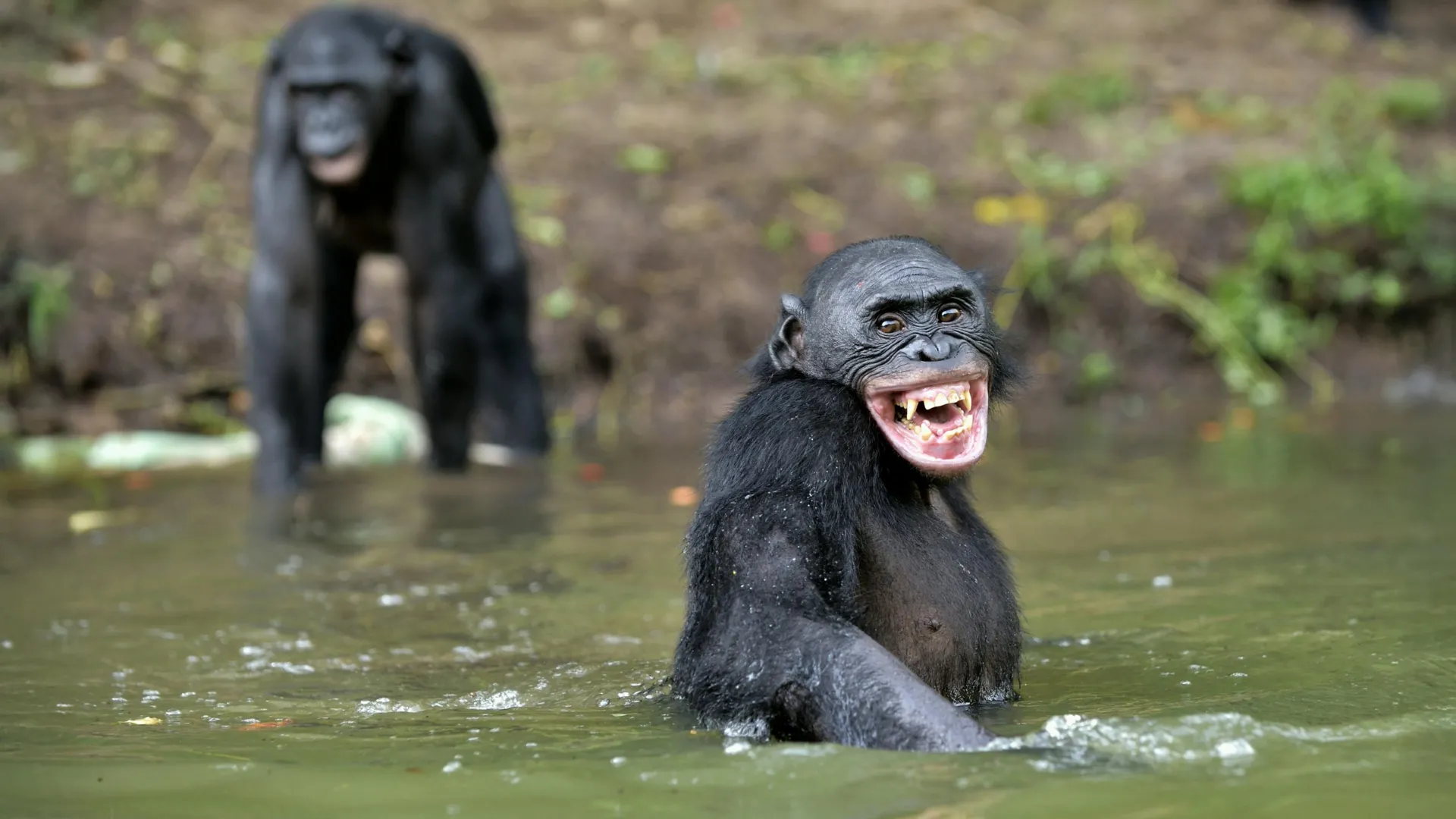
The rhythmic patterns observed in human laughter share deep evolutionary origins with those found in chimpanzees, bonobos, gorillas, and orangutans. This ancient vocalization pattern is now considered one of the most significant indicators of how the vocal control essential for human speech gradually developed over time. Researchers have identified similarities in the way these great apes produce laughter, suggesting a common ancestral basis for complex vocalizations. This finding provides a novel perspective on the evolutionary trajectory leading to human language capabilities. By studying the acoustic properties and temporal structures of ape laughter, scientists can gain insights into the neural and physiological mechanisms that paved the way for articulate speech. The research highlights the interconnectedness of primate vocal behaviors and their potential role in the emergence of human communication systems. Understanding these ancient roots is crucial for deciphering the complex evolutionary journey of speech.
The study of primate laughter offers a compelling lens through which to examine the evolutionary underpinnings of human speech. By identifying shared rhythmic patterns with great apes, researchers are uncovering potential ancestral vocal behaviors that may have been precursors to articulate language. This perspective shifts the focus from a purely human-centric view of speech evolution to one that acknowledges shared biological heritage. The findings suggest that the capacity for complex vocal control did not emerge de novo but rather evolved incrementally from more basic primate vocalizations. Further research into these acoustic and neurological links could illuminate the selective pressures and environmental factors that favored the development of sophisticated communication systems, providing a more nuanced understanding of human linguistic origins.
AI-generated to prompt reflection — not editorial opinion, not advice, not a statement of fact. How this works.