Prime Location: Key Factor in Real Estate Value and Quality of Life
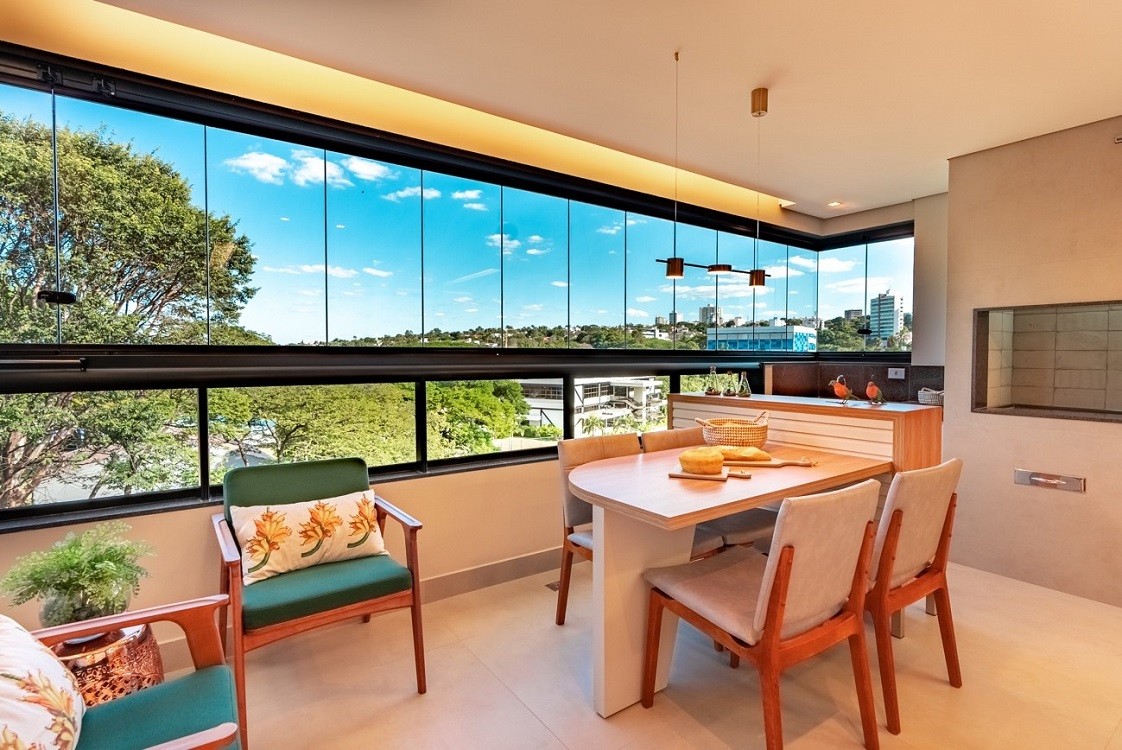
Location is a critical determinant of real estate value and resident quality of life, encompassing factors such as mobility, safety, infrastructure, and service availability. For luxury and high-end developers, selecting the right land is a strategic decision made before design begins, involving extensive research into regional development, resident profiles, planned investments, and growth potential. For instance, apartments with sea views in some coastal cities can command prices up to 40% higher than similar units without this feature, illustrating location's objective market influence. A desirable location is defined not just by aesthetics but also by proximity to green spaces, quality retail and services, ease of transportation, and the safety of well-planned areas. New developments in prime locations stimulate further business growth and urban dynamism, creating a self-reinforcing cycle of value. Investing in a well-chosen address is thus an investment in a lifestyle and long-term asset appreciation. Construtora Pacheco, with over four decades of experience in Uberlândia, exemplifies this strategy by focusing on the city's most valued areas for its projects. Their developments integrate location with construction quality, contributing to Uberlândia's urban expansion and verticalization with a focus on sophistication and quality. The company has a history of developing residential and commercial projects in partnership with renowned professionals and firms, solidifying its reputation for high-standard developments that blend architecture, durability, and careful site selection.
The strategic importance of location in real estate development underscores a fundamental market dynamic: scarcity and desirability drive value. Developers' meticulous site selection before any architectural design reflects an understanding that the surrounding environment and future growth prospects are often more significant long-term value drivers than the building itself. This approach highlights the interplay between private development and public infrastructure, as new projects can catalyze urban development but also raise questions about equitable growth and gentrification. In an era increasingly shaped by technological advancements and evolving urban living preferences, the enduring premium placed on well-located properties suggests that while smart cities and remote work may alter dynamics, core human needs for convenience, safety, and community access will likely remain central to real estate valuation for the foreseeable future. The cycle of development, business attraction, and increased value demonstrates a powerful feedback loop, but also necessitates careful urban planning to ensure sustainability and broad community benefit.
AI-generated to prompt reflection — not editorial opinion, not advice, not a statement of fact. How this works.