Prime Minister Takaichi's Approval Rating Drops After Contentious Diet Session
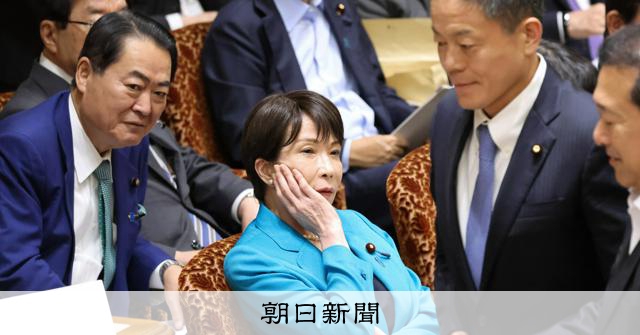
Prime Minister Fumio Kishida's approval rating has declined following a contentious session of the Diet, Japan's parliament. Political analysts observed significant vulnerabilities within the administration during this period. The perceived heavy-handed approach in parliamentary proceedings appears to have eroded public trust. This downturn in public opinion raises concerns about the stability and future direction of Kishida's government. The political implications of this approval rating dip are yet to be fully understood, but it suggests a potential shift in public sentiment. Observers are closely monitoring how the administration will respond to this challenge and attempt to regain public confidence. The events highlight the delicate balance of power and public perception in Japanese politics. Further analysis will be needed to determine the long-term impact on Kishida's premiership.
The decline in Prime Minister Kishida's approval rating following a contentious Diet session suggests a public reaction against perceived forceful legislative tactics. This event underscores the importance of consensus-building and public perception in maintaining political capital. In the evolving landscape of the AI era, governments that appear less responsive to public sentiment or rely on procedural dominance may face increasing challenges in legitimacy. Future administrations will need to navigate public opinion with greater transparency and inclusivity to ensure sustained support and effective governance, especially as information flows and citizen engagement become more sophisticated.
AI-generated to prompt reflection — not editorial opinion, not advice, not a statement of fact. How this works.
