Prime Minister Takaichi's Dislike for Parliament Causes Legislative Gridlock
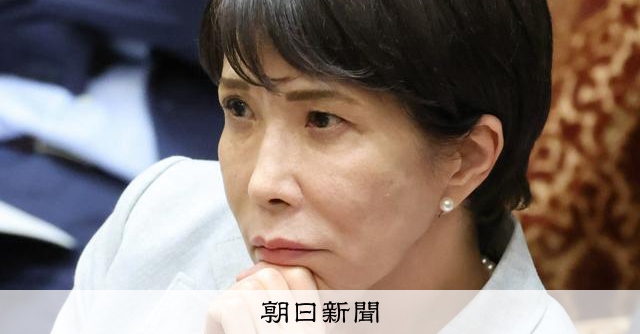
Prime Minister Fumio Kishida's perceived aversion to parliamentary sessions has led to a significant backlog of legislation, raising concerns about the government's ability to pass key bills in the final days of the Diet session. This situation is particularly problematic as the government aims to address pressing national issues and implement its policy agenda. The delay in legislative progress could undermine public trust and create uncertainty regarding the administration's effectiveness. Observers are questioning whether the remaining time will be sufficient to clear the legislative queue, especially for bills that require extensive debate and consensus-building. The Prime Minister's approach to parliamentary engagement is now under scrutiny, with critics arguing that it hinders the democratic process and the government's responsiveness to societal needs. The coming days are crucial for determining the fate of these pending legislative proposals and assessing the overall impact on the government's performance.
The perceived reluctance of Prime Minister Kishida to engage fully with parliamentary proceedings, as suggested by the original headline, raises questions about the balance between executive efficiency and legislative accountability. While a streamlined legislative process can be desirable for rapid policy implementation, a robust parliamentary debate is fundamental to democratic governance, ensuring thorough scrutiny and public input. This situation highlights a potential tension between the executive's desire for swift action and the legislature's role in deliberating and refining policy. In the context of an increasingly complex global landscape and the accelerating pace of technological change, governments must navigate the imperative for agility without compromising the foundational principles of democratic oversight. The challenge lies in fostering an environment where both efficient governance and rigorous legislative review can coexist, ultimately strengthening public trust and policy resilience.
AI-generated to prompt reflection — not editorial opinion, not advice, not a statement of fact. How this works.