Primitivo Wine: Why This Italian Red is a Brazilian Favorite
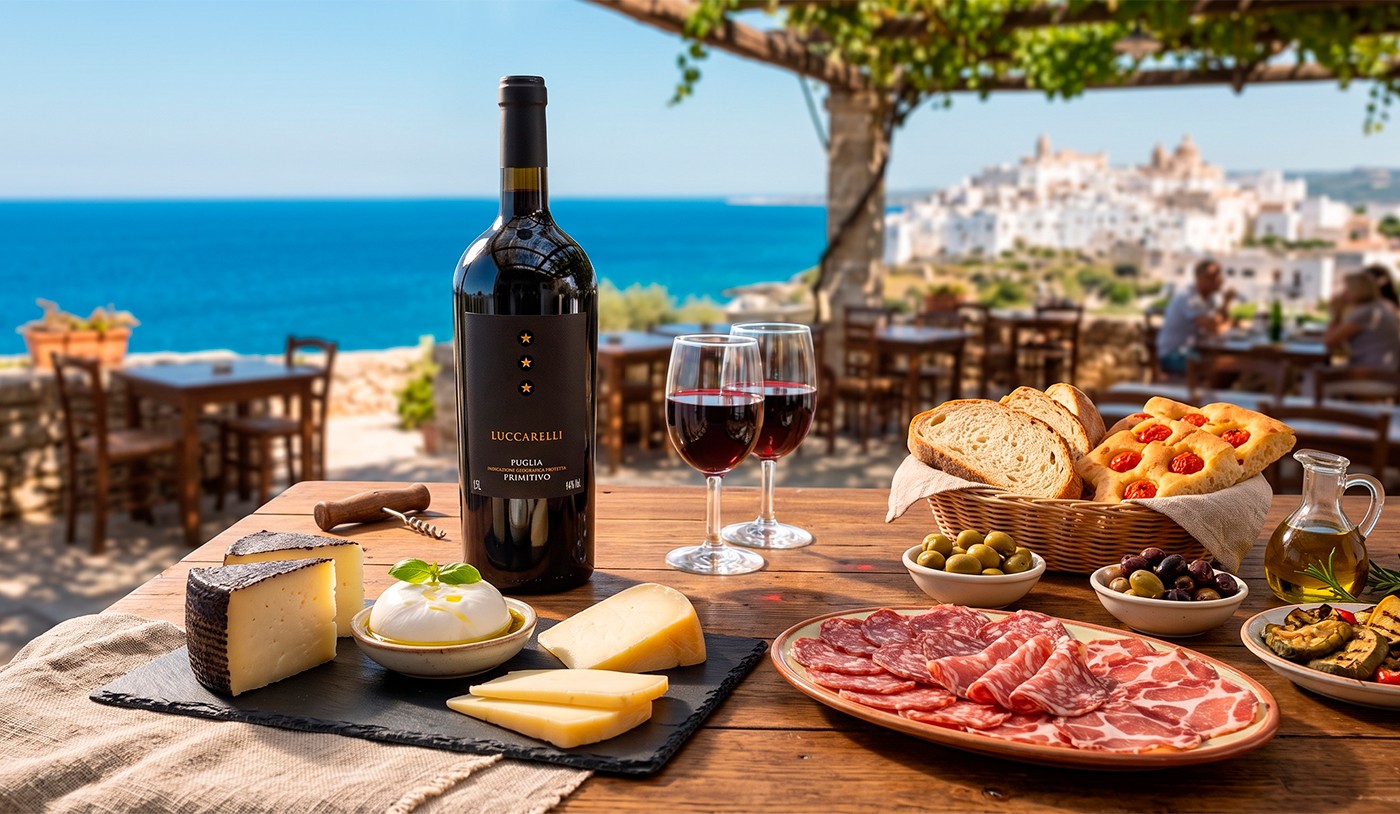
Primitivo, an Italian red wine, has gained significant popularity among Brazilian consumers due to its approachable yet complex profile. The name 'Primitivo' originates from the Latin word 'primativus,' indicating that the grape ripens earlier than others. This grape variety thrives in the warm, sunny climate of Puglia, located in the 'heel' of Italy's boot. The region's terroir, particularly the sub-region of Manduria, is ideal for developing the grape's high sugar and aromatic compound concentration, resulting in intensely flavored wines with excellent structure.
Genetic research has revealed that Primitivo shares its ancestry with California's Zinfandel, both descending from an ancient Croatian variety called Tribidrag. Despite their shared DNA, differences in climate, soil, and winemaking techniques lead to distinct regional characteristics. Primitivo wines are typically characterized by aromas of plum, blackberry, ripe cherry, and compote fruits, with potential notes of chocolate, vanilla, coffee, and spices from oak aging. On the palate, they offer medium to full body, soft tannins, a velvety texture, and a persistent finish, making them appealing to both novice and experienced wine drinkers.
These wines are highly versatile for food pairings, complementing intense flavors such as roasted meats, barbecue, pasta with meat sauces, lamb, mushroom risottos, cured meats, and aged cheeses. Their balance of intensity and drinkability, along with their gastronomic flexibility, makes them suitable for various social occasions. Notable examples include Luccarelli Primitivo di Manduria Old Vines DOP Puglia, known for its dark fruit and vanilla notes; Corbelli Primitivo IGT Puglia, offering a good value with fruity and licorice aromas; and a sophisticated, high-end Primitivo from Corbelli made with 60-year-old vines, presenting complex notes of plum jam, tobacco, and chocolate.
The rising popularity of Primitivo wine in Brazil highlights global market dynamics where specific regional varietals can achieve significant traction beyond their origin. This trend is driven by consumer preference for wines offering a balance of approachable fruit-forward characteristics and structural complexity, often at competitive price points. The comparison with Zinfandel underscores how terroir and winemaking choices significantly shape a grape's expression, creating distinct market segments. For producers, understanding these evolving consumer tastes and the role of origin storytelling is crucial for market penetration and brand building. As global wine markets continue to diversify, the success of varietals like Primitivo suggests a future where consumers are increasingly open to exploring wines from less traditional regions, provided they offer compelling quality and value.
AI-generated to prompt reflection — not editorial opinion, not advice, not a statement of fact. How this works.