Princeton Researcher Explores Humayun Ahmed's Novel 'Devi' in Comparative Literature PhD
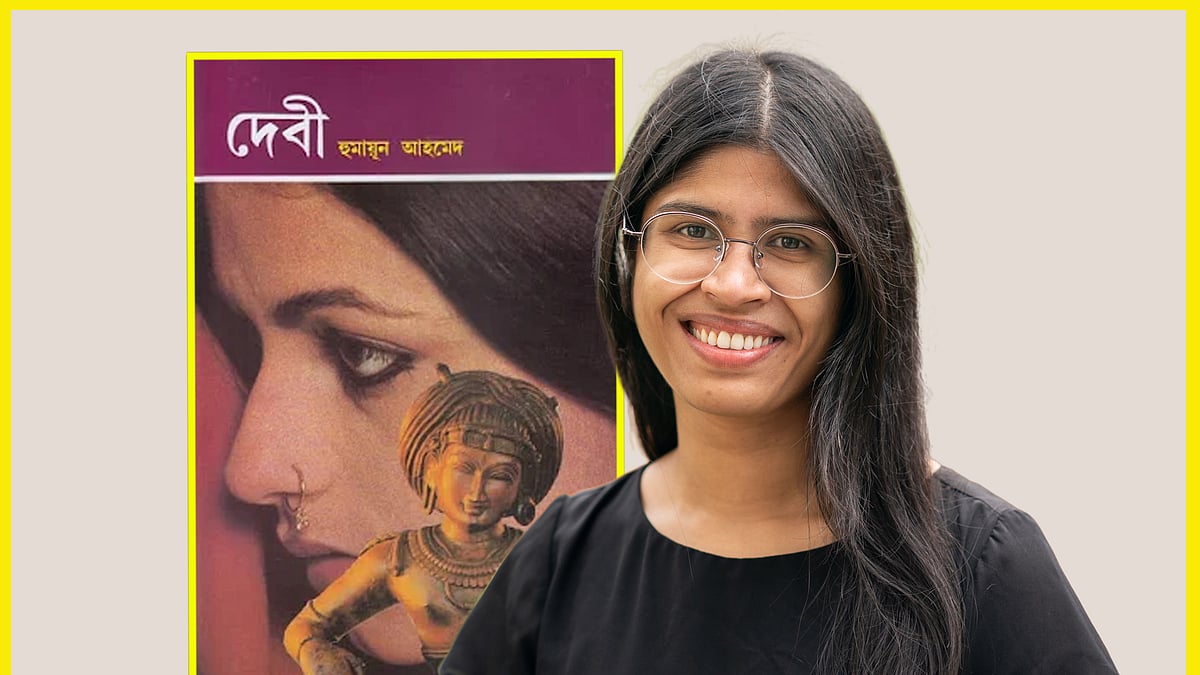
Nilima Islam, a doctoral candidate in comparative literature at Princeton University, previously focused her Master's thesis on Humayun Ahmed's novel 'Devi'. Her thesis, titled 'Humayun Ahmed and Archival Huntings: The Subaltern Experience of the Nineteen Seventy-One Liberation War of Bangladesh as Portrayed in Devi,' was completed while she was pursuing her undergraduate and graduate studies at the City College of New York. Islam, who moved from Bangladesh to New York at age five, is researching how literature shapes historical, political, and cultural identities. She found Humayun Ahmed's work deeply influential, particularly after her grandfather's passing, inspiring her to reconnect with Bangladeshi culture and learn Bengali. Ahmed's accessible yet profound writing style made him an early favorite and a recommended author for young Bangladeshis abroad seeking to learn the language. Islam chose 'Devi' for her thesis without a preconceived theoretical framework, aiming to understand the novel on its own terms. This approach led to a deeper appreciation of the text, requiring her to rewrite her thesis draft five times as new layers of understanding emerged. Her thesis advisor, Professor Robert Higney, an expert in 20th-century British and English literature, relied on Islam for understanding the novel and its context. Initially cautious about integrating discussions of magical realism and thinkers like Jacques Derrida, Higney became increasingly impressed as they worked through the chapters, recognizing 'Devi's' potential for global literary comparison. Islam discovered that Ahmed's perceived political silence was a powerful literary strategy, creating meaningful gaps that encourage reader interpretation and challenging conventional notions of nationalism and historical memory. She concludes that what is left unsaid in literature can often carry the most significant meaning, and Ahmed's strength lies in posing questions rather than providing answers.
This academic exploration of Humayun Ahmed's 'Devi' by a Princeton researcher highlights the potential for cross-cultural literary analysis. The study's evolution from understanding a specific cultural context to drawing parallels with global literary traditions underscores the universal themes that can emerge from localized narratives. It suggests that a deep, theory-agnostic engagement with a text can reveal nuanced interpretations, challenging initial assumptions and demonstrating the power of 'silence' or implied meaning in literature. This approach offers a valuable perspective on how national histories and identities can be deconstructed and reinterpreted through artistic expression, encouraging a more complex understanding of collective memory and individual experience in the digital age.
AI-generated to prompt reflection — not editorial opinion, not advice, not a statement of fact. How this works.