Priscila Costa Becomes Federal Deputy After Dayany Bittencourt Loses Mandate
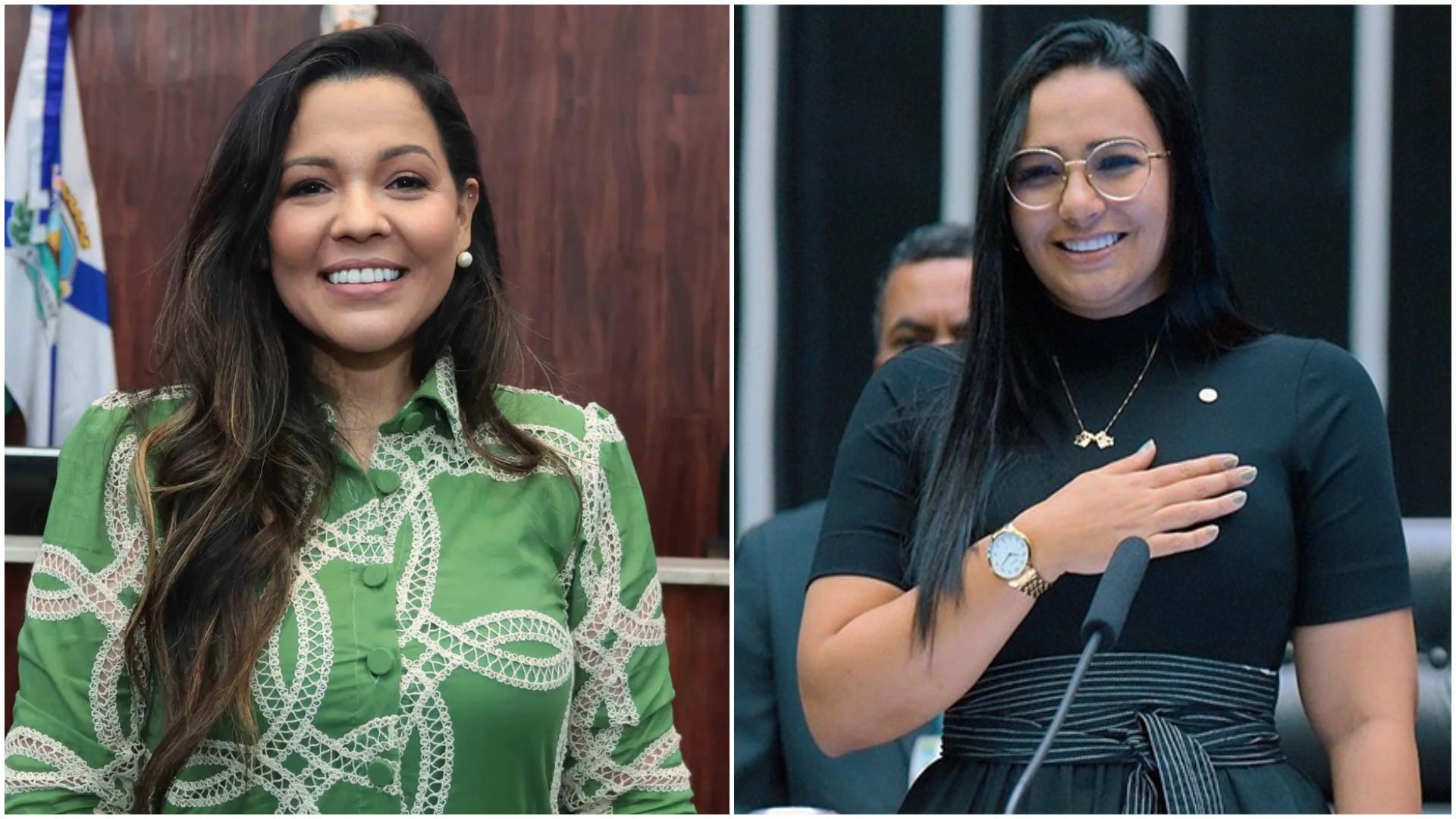
Priscila Costa, a city councilwoman from Fortaleza and member of the Liberal Party (PL), is set to assume a federal deputy position representing Ceará. This change follows the loss of mandate by current deputy Dayany Bittencourt of the Union Party (União-CE). Costa, known for her conservative stances, was the most voted councilwoman in Fortaleza and has previously served temporarily as a substitute federal deputy. The decision to strip Bittencourt of her mandate was published by the Chamber of Deputies' Directorate Board on Thursday, May 9th. This action is a consequence of the Superior Electoral Court's (TSE) determination to annul the votes of substitute deputy Heitor Freire (União Brasil-CE). Freire was disqualified due to illicit fundraising and spending from the Electoral Fund. Bittencourt's seat was secured through the electoral quotient based on votes received by the União Brasil party, which she and Freire represented in 2022. With Freire's disqualification, the seat shifted to the PL party, and Costa, as the first substitute, is now taking over. Costa's term as federal deputy will run until January 31, 2027. She previously served a temporary term in the Chamber of Deputies from June to October 2023, stepping away from her council role. Costa, a 41-year-old journalist, has been elected councilwoman in Fortaleza three times and is the president of PL Mulher in Ceará. Her political platform emphasizes family values, freedom, and Christian principles, advocating against gender ideology in schools and promoting economic freedom and public safety. Costa's political ascent has also placed her at the center of a dispute between Michelle Bolsonaro and Flávio Bolsonaro regarding party candidacies for the 2026 elections, with Michelle having publicly supported Costa's potential Senate bid.
The transition of Priscila Costa to federal deputy, prompted by the disqualification of Dayany Bittencourt due to electoral fund irregularities, highlights the dynamic and often volatile nature of Brazilian electoral politics. This event underscores the critical role of judicial oversight in ensuring campaign finance compliance and the cascading effects of individual candidate disqualifications on party representation. Costa's rise, amplified by her alignment with conservative factions and her previous temporary service, positions her to influence legislative agendas related to family values and economic policy. The internal party dynamics, particularly the rift between Michelle and Flávio Bolsonaro concerning candidacies, suggest ongoing power struggles within the Liberal Party, which could impact future electoral strategies and alliances. The situation also reflects broader challenges in maintaining transparency and accountability in campaign financing, a persistent issue in many democracies, and raises questions about the robustness of electoral integrity mechanisms moving forward.
AI-generated to prompt reflection — not editorial opinion, not advice, not a statement of fact. How this works.